
 Priyanka Tiwari
 Share
Share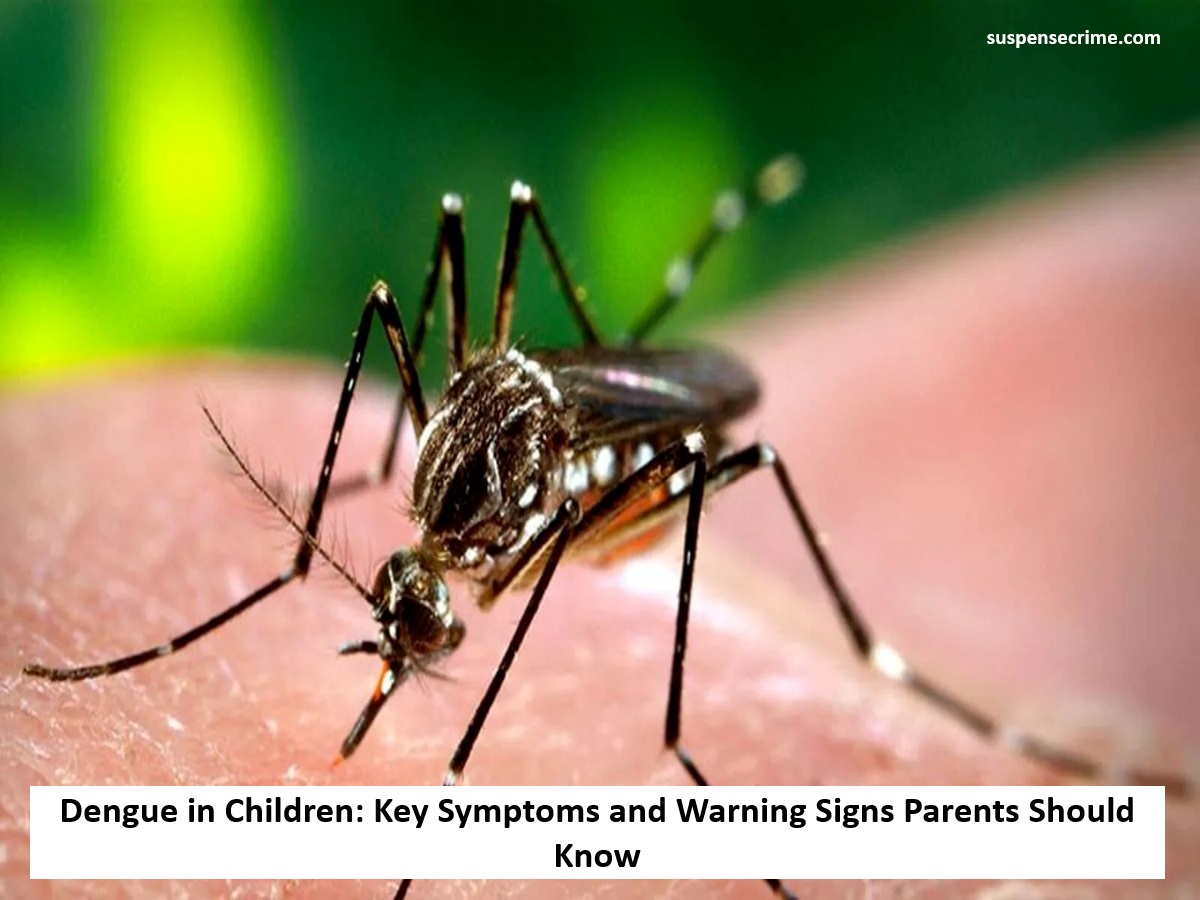
Suspense crime, Digital Desk : Dengue fever, which is spread through mosquitoes, appears to be affecting more children, especially during and after the monsoon season. While most cases are mild, traditional dengue can escalate to more severe and life-threatening forms.
Children’s Symptoms May Be Different
The critical phase often begins when the fever is about to start subsiding, which is usually on the 4th to 6th day. Dr. Tayal states, “This is when parents might feel that the child is on the mend, but it can be a very dangerous phase in terms of complications.”
Severe Dengue: Key Warning Signs
Dr. Tayal has listed the symptoms that he believes may point towards the onset of severe dengue:
- Continuous vomiting
- Intense pain in the abdomen region
- Bleeding tendencies, be it nasal or otherwise
- Unexplained lethargy or excessive restlessness
Without urgent attention patients could develop severe complications such as shock syndrome or dengue hemorrhagic fever. Treatment will require specialist care at hospital.
How Parents Can Help
Make sure the child is hydrated well with fluids such as oral rehydration solutions (ORS), soups, and coconut water.
Refrain from using aspirin and ibuprofen as they heighten the risk of bleeding. Only paracetamol may be taken to soothe fever.
Keep a close watch on your child for any sign of symptoms, specifically during the phase when fever is going down.
Dr. Tayal’s Checklist for Dengue Symptoms in Children
Fever of High Degree and Sudden: Lasting for 2-7 days, most commonly having headaches and body aches. It is unresponsive to any over the counter anti-febrics.
Appetite Loss or Irritability: Typical of infants and toddlers; refusal to being fed or becoming clingy is the only manifestation.
Rash of Skin: Red spots or blotches often located on the chest, back or limbs and usually after the fever has peaked.
Abdominal Pain or Vomiting that is Severe: Vomiting more than three times a day is dangerous.
Bleeding that is Unusual: Mild to moderate gum bleeding, blood vomit or blood sored stool, unexplained bruises, or bruises without signs of trauma, or petechiae suggests low platlet count.
Drowsiness or Restlessness (Both Extreme): This may suggest shock or involvement of the brain. Must seek medical help immediately.
Read More: Get Korean Glass Skin at Home: The ₹5 Secret Ingredient for a Glowing Night Cream