Bihar University Reopens Correction Portal Until July 19; Fourth Merit List to Clear Vacant Seats in 24 Affiliated Colleges
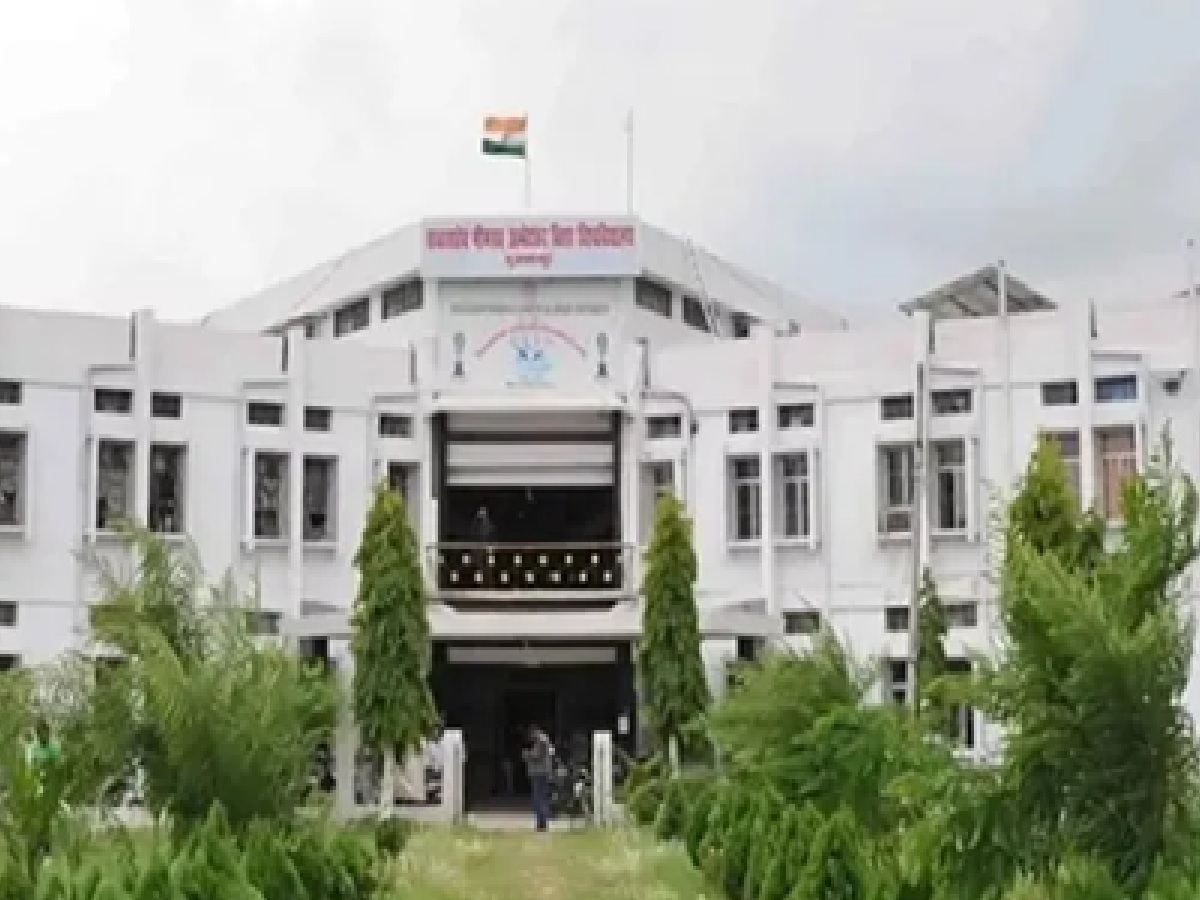
In a major development that brings massive relief to thousands of higher education aspirants across North Bihar, Babasaheb Bhimrao Ambedkar Bihar University (BRABU) has officially reopened its digital admission portal. Candidates who previously registered for enrollment in the four-year undergraduate (UG) CBCS program for the academic session 2026-2030 have been granted a final window to rectify errors in their submission forms. The dedicated university web portal will remain active for modifications for a limited time, allowing students from East Champaran, Muzaffarpur, and neighboring zones to finalize their profiles and lock in their updated choices.
Final Correction Deadline: Rectify Profile Errors and Lock College Choices Online
According to the official executive notification issued by the BRABU University Administration, the correction facility is fully operational from July 15 and will automatically close on July 19, 2026. During this five-day institutional window, applicants can securely log into the official UMS portal using their registration credentials to make necessary changes. Students are permitted to modify personal data, fix typographical mistakes in academic marksheets, correct category designations, and completely rearrange their preference lists for various degree colleges. The university has made it strictly mandatory for every candidate modifying their form to select at least one valid institutional choice to remain active in the upcoming allocation cycle.
Post-Correction Strategy: BRABU to Prepare Fourth Merit List for Vacant Seats
The university administration clarified that this emergency data-correction window is a prerequisite for launching the next major phase of the admission cycle. Once the portal closes on July 19 and the data is filtered, BRABU will formally compile and release its fourth institutional merit list. The university has already executed three successive rounds of seat allocations based on prior lists, filling up top-tier urban colleges. This upcoming fourth list will specifically target the remaining vacant seats across mainstream streams, providing a golden opportunity for students who missed out due to high cut-offs or incorrect application inputs in the initial rounds.
Focus on New Infrastructure: Vacant Seats Plentiful in Newly Established Government Degree Colleges
A key focus of this extended admission drive is to populate the newly constructed government degree colleges, which are participating in the formal centralized admission process for the very first time this session. These state-of-the-art rural institutions are offering honors programs in six core humanities subjects, including Hindi, English, Political Science, Economics, History, and Sociology, with an intake capacity capped at exactly 48 seats per subject. Despite the high-end infrastructure, student enrollment in these newly introduced centers did not meet baseline projections during the initial three integration lists. Consequently, the university is leveraging this correction window to divert student traffic to these rural colleges, while student unions are simultaneously escalating demands for spot admissions to fill the classrooms.
Expanded Academic Footprint: East Champaran College Count Soars to 24
The aggressive expansion of higher education in the region has fundamentally transformed the academic map of the East Champaran district. Thanks to the state government's recent development push, brand-new government degree colleges have been successfully established across 15 rural blocks. Previously, the district relied on just nine affiliated units to serve its massive student population. With these additions, the total number of BRABU-affiliated institutions in East Champaran has skyrocketed to 24. This is reinforced by the centrally located Pandit Ugam Pandey College in Motihari, which functions as a permanent, constituent wing of the university, ensuring accessible higher education right at the grassroots level.

_487203557_351x234.jpg)