Priyanka Tiwari
 Share
Share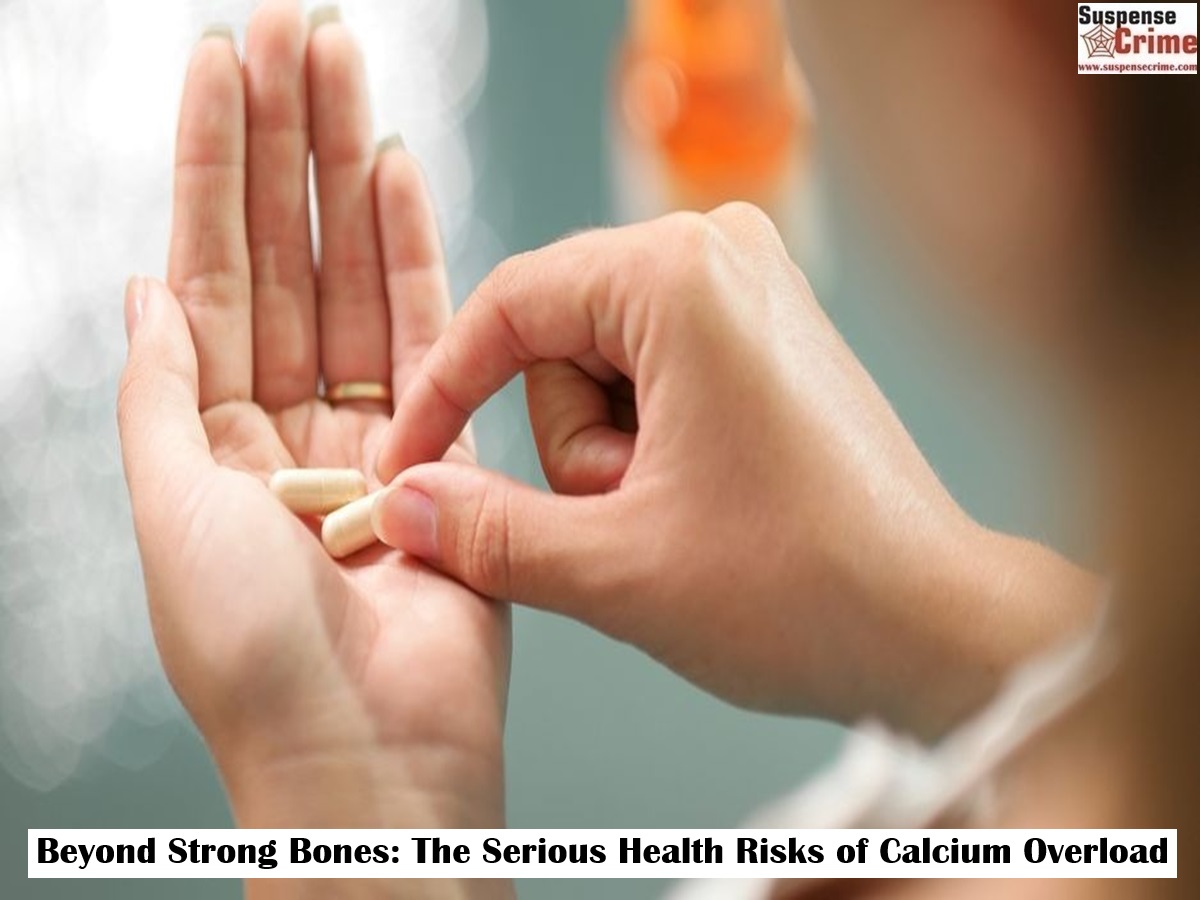
Suspense crime, Digital Desk : We are taught from a young age that calcium is the essential building block for strong bones and healthy teeth. While this is true, our bodies operate on a delicate balance. A new report highlights the hidden dangers of having too much calcium in the blood, a serious medical condition known as hypercalcemia.
When calcium levels become excessively high, it can lead to a cascade of health problems. Paradoxically, it can weaken your bones, increase your risk of forming painful kidney stones, and interfere with the normal function of your heart and brain.
What Causes a Dangerous Buildup of Calcium?
Hypercalcemia isn't usually caused by drinking too much milk. The underlying causes are often more complex and can include:
- Overactive Parathyroid Glands (Hyperparathyroidism): This is the most common cause. These four small glands in your neck regulate your body's calcium levels. If they become overactive, they release too much hormone, causing calcium to spike in your blood.
- Cancer: Certain types of cancer, particularly lung cancer, breast cancer, and blood cancers like multiple myeloma, can lead to hypercalcemia.
- Supplements and Medications: Taking excessively high doses of calcium and vitamin D supplements can overwhelm your body's ability to regulate levels. Certain medications, such as lithium (used to treat bipolar disorder), can also be a cause.
- Dehydration: Severe dehydration can lead to a mild and temporary increase in calcium levels because there is less fluid in your blood.
- Hereditary Factors: In some rare cases, a genetic condition can affect the body's ability to regulate calcium.
Warning Signs and Symptoms to Watch For
Mild cases of hypercalcemia often have no noticeable symptoms. However, as the condition worsens, you might experience:
- Digestive Issues: Nausea, vomiting, constipation, and abdominal pain.
- Kidney Problems: Excessive thirst and frequent urination as your kidneys work overtime to filter the excess calcium.
- Muscular and Skeletal Pain: Muscle weakness, fatigue, and bone pain.
- Neurological Symptoms: Confusion, lethargy, and depression.
In very severe cases, hypercalcemia can lead to life-threatening complications, including coma and cardiac arrest. If you experience any of these symptoms or are concerned about your calcium intake, especially if you are taking supplements, it is crucial to consult a doctor for proper diagnosis and guidance.
Read More: Get Korean Glass Skin at Home: The ₹5 Secret Ingredient for a Glowing Night Cream