Priyanka Tiwari
 Share
Share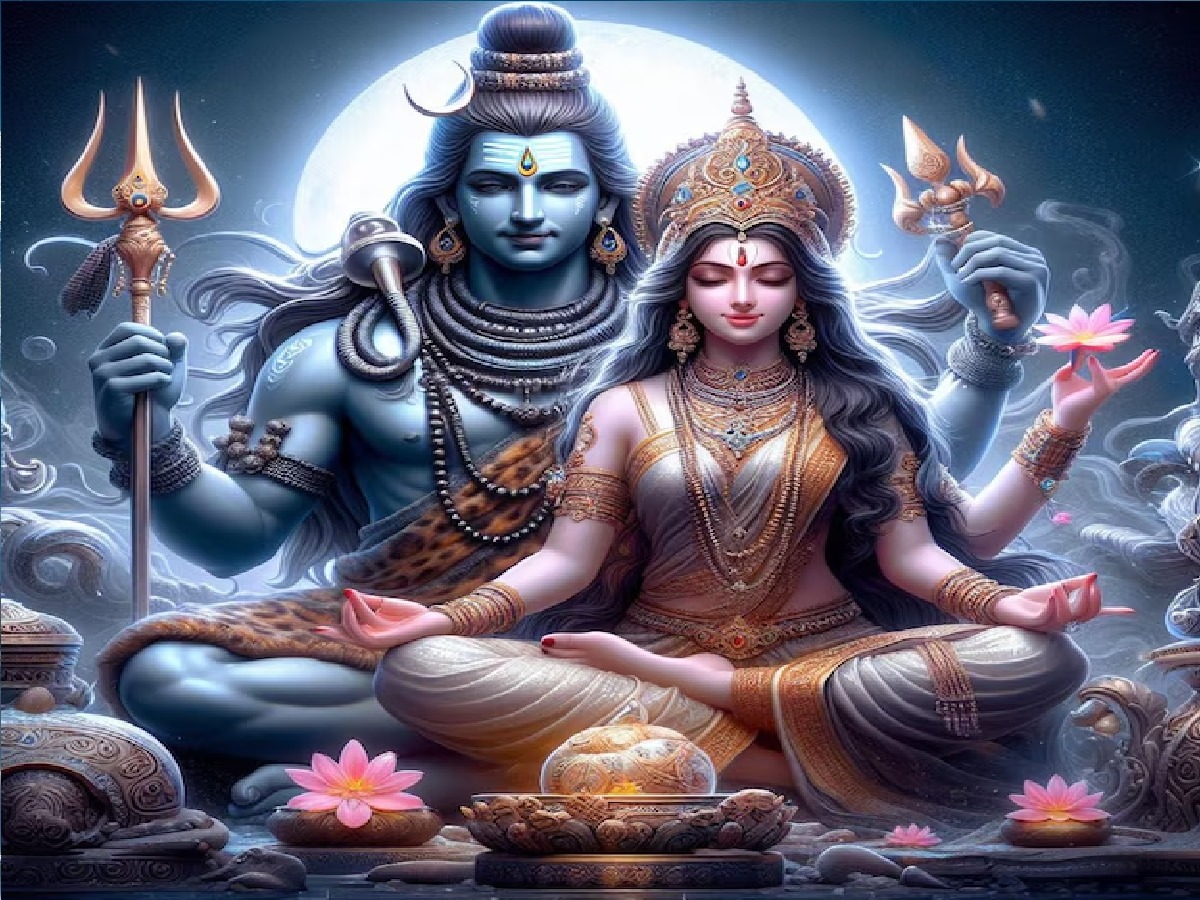
Mahashivratri, one of the most auspicious Hindu festivals, is celebrated every year on the Chaturdashi Tithi of Krishna Paksha in the month of Falgun. This year, it falls on February 26. According to the Shiv Mahapuran, Mahashivratri marks the divine wedding of Lord Shiva and Goddess Parvati.
The Mythological Tale of Shiva-Parvati's Marriage
On the sacred occasion of Mahashivratri, let’s take a look at how and where this celestial marriage took place and who played a crucial role in uniting the divine couple.
The Tapasya of Maa Parvati
Maa Parvati had to undergo severe penance to win Lord Shiva’s heart. She meditated and worshipped him with utmost devotion. Impressed by her dedication, Mahadev appeared before her but initially advised her to marry a noble prince instead. However, Maa Parvati was determined to marry only Lord Shiva, and she continued her penance with unwavering faith.
Shiva Accepts Parvati’s Love
Seeing Parvati’s devotion and love, Lord Shiva finally agreed to marry her. The entire cosmos rejoiced at this divine union, as it symbolized the merging of two powerful energies—Shakti and Shiva.
Shiva’s Unconventional Wedding Procession
When Lord Shiva arrived for the wedding, he came with an unusual and fearsome procession (Baraat). His companions included ghosts, sages, and divine beings, which left Parvati’s family terrified. Unable to accept such a sight, Maa Parvati’s mother initially refused the marriage.
Realizing this, Lord Shiva transformed himself into a charming and majestic groom, adorned in royal attire. Seeing this, everyone joyfully gave their blessings, and the wedding was solemnized with great celebration.
Who Officiated the Divine Wedding?
The wedding of Lord Shiva and Maa Parvati was conducted as per sacred rituals:
- Lord Brahma acted as the priest and officiated the marriage.
- Lord Vishnu took on the role of Goddess Parvati’s brother, giving her hand in marriage.
- The wedding took place at a divine site, known today as Brahma Shila.
Where Did Shiva and Parvati Get Married?
The celestial wedding was held at Triyuginarayan Temple, located in Guptkashi, Rudraprayag (Uttarakhand). This sacred temple stands at an altitude of 1,980 meters, where the rivers Son Ganga and Mandakini converge.
The Eternal Flame of Triyuginarayan Temple
The temple is renowned for its four sacred kunds (ponds):
- Saraswati Kund
- Rudra Kund
- Vishnu Kund
- Brahma Kund
One of the most fascinating aspects of this temple is the Akhand Dhuni (Eternal Flame), which has been burning continuously since the time of Lord Shiva’s marriage, making it a revered pilgrimage site.
Read More: Tick-Tock to Success: The Ultimate Feng Shui & Vastu Guide for Wall Clock Placement to Invite Growth