Ziya
Ziya Share
Share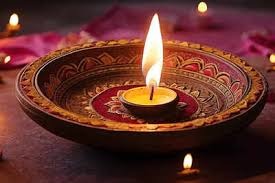
In Indian households, lighting a lamp (Diya) is more than just a ritual; it’s a way to invite positive energy, peace, and prosperity into the home. However, many of us light a Diya without realizing that ancient traditions suggest a specific way and time to do it for the best results.
The Power of the Right Direction
Believe it or not, the direction in which the "wick" (baati) of the Diya faces can change the type of energy it attracts:
East is for Health: Facing the wick toward the East is believed to improve health and increase the lifespan of family members.
North is for Wealth: If you are seeking financial stability or success in your career, the North is considered the most auspicious direction. It is said to please Goddess Lakshmi.
Avoid the South: Generally, it is advised not to face the wick toward the South, as this direction is traditionally associated with ancestors and is thought to bring obstacles unless it is for specific memorial rituals.
Morning or Evening? The "Godly" Timing
While many people light a lamp whenever they find time, the most powerful impact is felt during Sandhyakal (twilight).
Evening: Lighting a Diya between 5:30 PM and 7:00 PM (during sunset) is considered the most effective. This is the transition period when negative energies are said to be strongest, and the light of the Diya acts as a protective shield for the house.
Morning: If you light a Diya in the morning, try to do it during Brahma Muhurta or before sunrise to start your day with a focused and calm mind.
Ghee vs. Oil: Which One Should You Choose?
The type of fuel you use also carries different meanings:
Desi Ghee: Using Ghee is considered the "Satvik" way. It is said to purify the air and attract the highest spiritual vibrations.
Mustard Oil (Sarson ka Tel): This is often used to ward off negative influences or to please Lord Shani.
Sesame Oil (Til ka Tel): Great for removing long-standing problems and bringing balance to the home.
Small Mistakes to Avoid
Don't use broken Diyas: A cracked or chipped Diya is considered inauspicious. Always use clean, whole lamps.
Wick quality: Use clean cotton for the wick. A "flickering" lamp is often a sign of a poorly made wick; a steady flame represents a steady mind.
Don't blow it out: Never blow out a Diya with your breath. Let it extinguish naturally or use a flower to gently move the flame if necessary.
Lighting a Diya is a simple act, but doing it with intention and the right knowledge can turn a daily habit into a powerful spiritual practice.
Read More: Blue Sapphire Magic: Is Neelam the Key to Your Sudden Financial Growth and Career Stability?