

 Ziya
Ziya Share
Share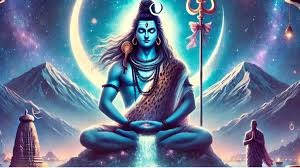
Every year, there’s a bit of a debate among devotees about the exact date of Mahashivratri. For 2026, the question on everyone’s mind is: "Is it February 15th or 16th?" If you’re planning your fast and prayers, here is the clear, human-friendly breakdown of what the stars say.
The Date Dilemma Solved
According to the Hindu Panchang, Mahashivratri is celebrated on the Chaturdashi tithi of the Krishna Paksha in the month of Phalgun. In 2026, this tithi begins on the evening of February 15th and continues into February 16th.
Now, here’s the key: Mahashivratri is fundamentally about the night of Shiva. Since the core rituals—the Nishita Kaal puja and the overnight vigil (Jagran)—happen when the night is at its peak, Sunday, February 15, 2026, is the officially recognized date for the fast and the main celebration.
How to Perform the Puja (Simple & Meaningful)
You don’t need to be a scholar to please Bholenath; all he asks for is a pure heart.
The Basics: Start your day with a bath and wear clean clothes. Many choose to fast, but if that’s hard for you, fruits and milk are perfectly fine.
The Offering: Visit a temple or set up a small space at home. Offer water, milk, Belpatra (wood apple leaves), Dhatura, and white flowers to the Shivling.
The Chant: The simplest and most powerful way to connect is by chanting "Om Namah Shivaya" as many times as you can.
The Significance of the Four Prahar Puja
For those who want to go deeper, the night is divided into four quarters (Prahars), each with its own significance:
1st Prahar (Evening): Focus on cleaning your space and starting the prayers with milk.
2nd Prahar (Late Night): Light lamps and offer sandalwood and incense.
Nishita Kaal (Midnight): This is the most sacred window (around 12:28 AM to 1:17 AM). It’s the best time for deep meditation and chanting.
3rd & 4th Prahar (Early Morning): Stay awake, reflect, and conclude with an Aarti just before sunrise.
Why We Celebrate
Mahashivratri isn't just a ritual; it’s a celebration of the union of Lord Shiva and Goddess Parvati. It’s also the night Shiva drank the poison (Halahala) to save the universe, earning the name Neelkanth. For many of us, it’s a day to hit the "reset" button—to let go of negativity and find some inner peace in our busy lives.
_1412932328_100x75.jpg)