Ziya
Ziya Share
Share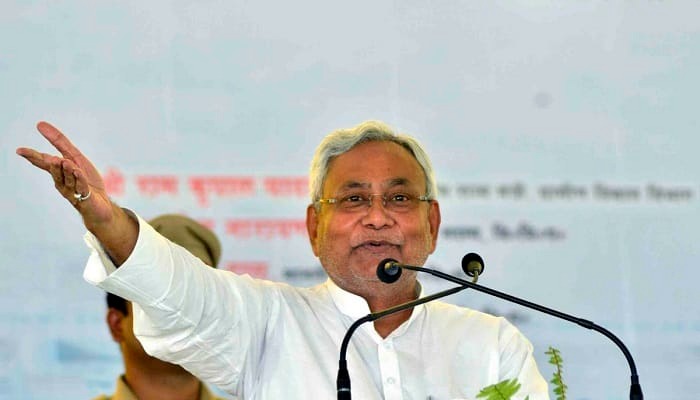
For years, our city planning has been obsessed with speed wider roads, longer flyovers, and faster cars. But in that race to move vehicles, we often forgot the person actually walking on the street. Bihar CM Nitish Kumar is now trying to flip that script with a new announcement that places the humble pedestrian at the center of the state’s urban vision.
During a recent high-level meeting, the CM emphasized a shift in perspective. It’s not just about building infrastructure; it’s about "respect and facilities." If you’ve ever tried to navigate a busy street in Patna or Muzaffarpur on foot, you know it’s often a game of survival. This new initiative aims to change that.
What’s changing on the ground? The government is moving beyond just talk. Here’s the gist of the plan:
Dedicated Footpaths: The instruction is clear—every major road project must now prioritize safe, unobstructed walking paths.
Safe Crossings: No more darting through high-speed traffic. The plan involves better zebra crossings and pedestrian signals that actually work.
Beautification & Shade: Recognizing Bihar’s heat, there is a push for tree-lined walkways and rest areas, making walking a pleasant experience rather than a chore.
Why "Respect" Matters The most interesting part of this announcement is the use of the word "Respect." In many Indian cities, walking is often seen as something only those who can't afford a car do. By making the streets walkable, the government is trying to bridge a social gap. Whether it’s a student walking to coaching or an elderly citizen going to the market, the goal is to make them feel that the city belongs to them as much as it belongs to someone in a luxury SUV.
The Bigger Impact A walkable city is a healthier, greener city. By encouraging people to walk small distances, Bihar could see a reduction in traffic congestion and air pollution. It’s a long-term play, but one that focuses on the quality of life for the average citizen.
Nitish Kumar’s vision is a reminder that a truly developed city isn't measured by how many cars it has, but by how many people feel safe walking its streets.
Read More: Bihar State Honor: CM Samrat Choudhary Announces State Funeral for Brave EO Krishna Bhushan