


Why Mujtaba Khamenei Will Skip His Father’s Funeral: High-Level Security Concerns in Iran
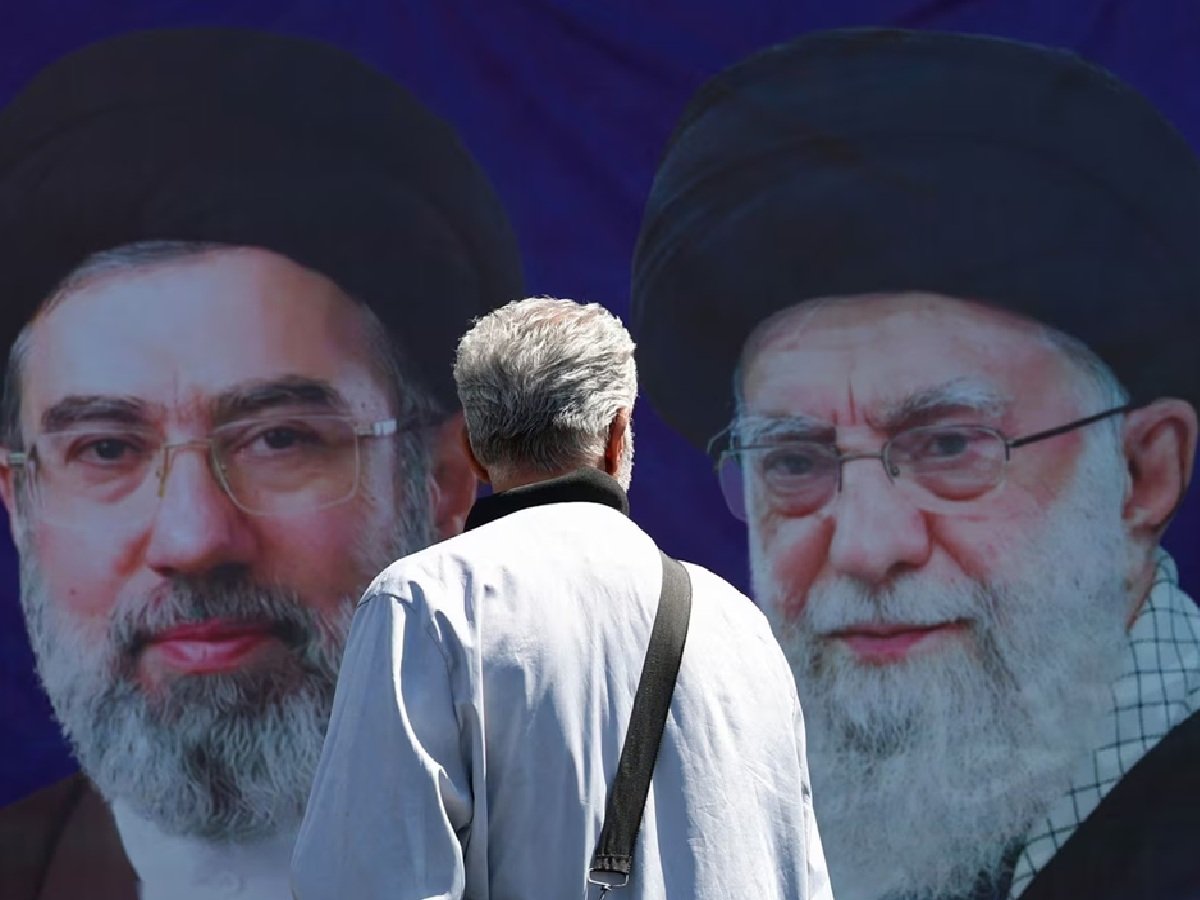
As Iran prepares for what is expected to be one of the largest funeral processions in modern history, a major development has emerged: Mojtaba Khamenei, son of the late Supreme Leader Ayatollah Ali Khamenei, will not be attending his father’s final rites. According to Ayatollah Hakim Elahi, the representative of the Khamenei family in India, this difficult decision is driven by severe security threats. Intelligence reports, particularly concerning potential targeting by Israeli forces, have made any public appearance by Mojtaba exceptionally dangerous. The Iranian leadership has issued a stern warning to both the US and Israel following provocative remarks regarding the younger Khamenei.
A Historic Farewell Amidst Regional Conflict
Ayatollah Ali Khamenei, who held the reins of Iran for 36 years, was killed in airstrikes on February 28, 2026, which ignited a fierce regional conflict. The geopolitical fallout, including the temporary closure of the Strait of Hormuz, has significantly impacted global energy markets. With the official funeral proceedings set to commence in Tehran on July 4, 2026, the burial will take place on July 9 in his hometown of Mashhad. While Islamic tradition typically mandates burial within 24 hours, the ongoing war conditions and heightened security protocols necessitated this prolonged six-day mourning period, which will feature extensive ceremonies across Tehran and Qom.
India’s Diplomatic Representation at the State Funeral
In a show of diplomatic protocol, Iranian President Masoud Pezeshkian extended a formal invitation to Prime Minister Narendra Modi to attend the state ceremonies. Given the Prime Minister's pre-existing international commitments, he is unlikely to attend in person. Instead, the Indian delegation will be led by Bihar Governor Lieutenant General (Retd.) Syed Ata Hasnain and Minister of State for External Affairs Pabitra Margherita. The delegation will be joined by senior Ministry of External Affairs officials. Furthermore, the event will see representation from the political and religious spectrum in India, with former External Affairs Minister Salman Khurshid and former J&K Chief Minister Mehbooba Mufti also slated to travel to Tehran alongside several prominent Shia clerics.
Middle East Tensions and the Path to Peace
The funeral takes place against a backdrop of fragile stability in the Middle East. Despite a peace agreement signed last month between Iran and the United States, cross-border volatility has persisted, punctuated by recent naval skirmishes in the Strait of Hormuz and retaliatory strikes on military bases. However, recent diplomatic efforts in Doha, mediated by Qatar and Pakistan, have provided a glimmer of hope. Negotiators have reported positive progress on a 14-point Memorandum of Understanding. Officials suggest that a clear roadmap for the next phase of de-escalation will be established as soon as the mourning period for the late Supreme Leader concludes.

_2130631853_351x234.jpg)
_1229491019_351x234.jpg)
_1116272614_351x234.jpg)
_856785626_351x234.jpg)