Mysterious 4,000-Year-Old Telangana Temple: Where The Stone Idol Has Soft Skin And Bleeds When Pressed
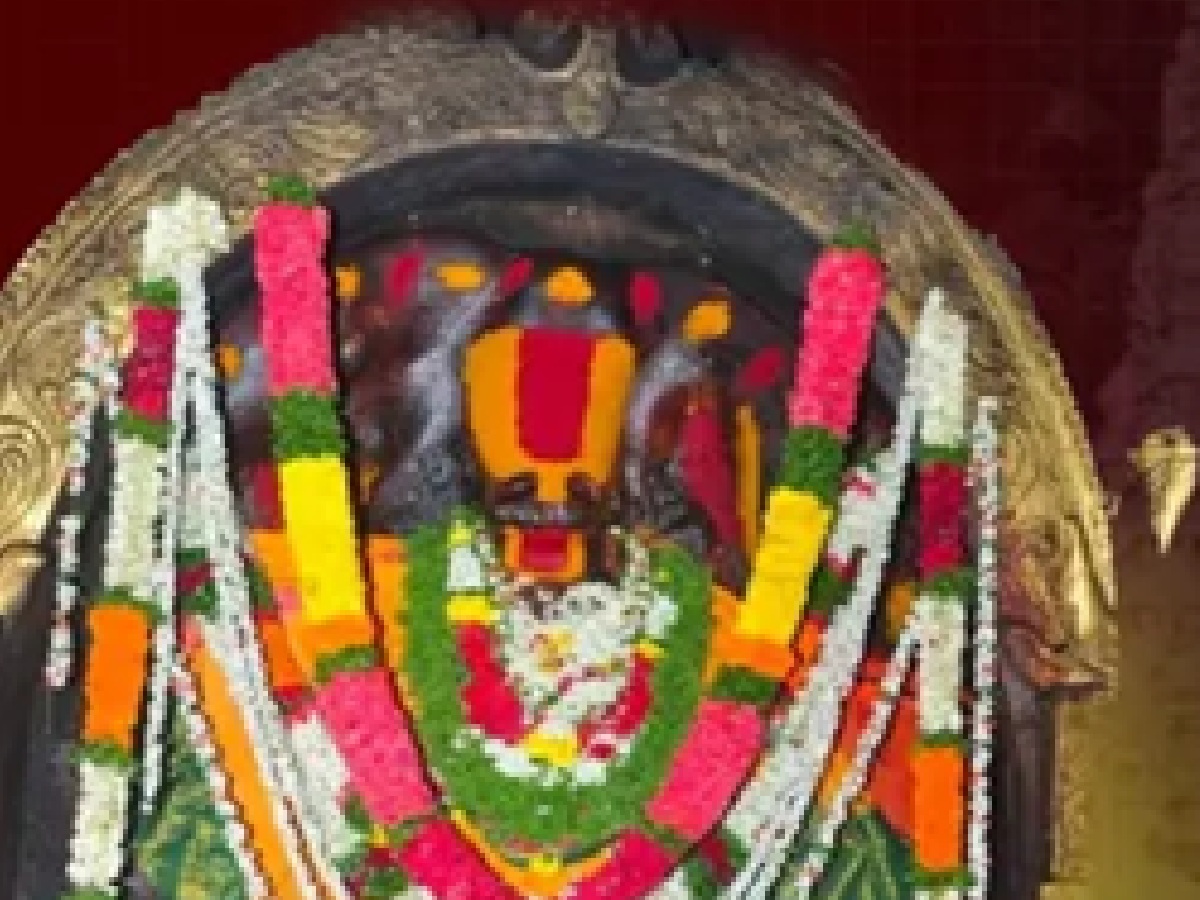
Nestled amidst the dense green forests of the Mallur hills in Telangana's Warangal district lies the ancient Hemachala Lakshmi Narasimha Swamy Temple, a 4,000-year-old sacred pilgrimage site that continues to baffle scientists, historians, and devotees alike. Perched approximately 1,500 feet above sea level, pilgrims climb around 150 steps through serene, nature-filled surroundings to reach the ancient shrine. The temple holds extraordinary spiritual importance, attracting thousands of seekers, meditators, and devotees from across India and around the globe who travel to the hilltop to seek divine blessings, peace, and spiritual healing.
Miraculous 10-Foot Self-Manifested Idol: Priests Apply Sandalwood To Heal Wounds On Divine Deity
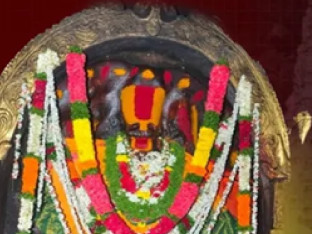
The defining marvel of the Hemachala Lakshmi Narasimha Swamy Temple is its nearly 10-foot-tall self-manifested (Swayambhu) deity of Lord Ugra Narasimha Swamy. Unlike conventional stone statues, the idol possesses a unique physical texture—the stone around the deity's chest and belly feels as soft as human flesh. According to local lore and eyewitness accounts from temple priests, pressing the idol creates a distinct reddish mark, while applying firmer pressure causes a blood-like liquid to seep from the stone surface. To soothe the deity and prevent the fluid from oozing, temple pujaris continuously apply fresh sandalwood paste (Chandan) over the statue as part of daily ritualistic care.
Natural Hill Springs, 60-Foot Flagstaff, And Annual Pilgrimage Draws Thousands To Mallur Hills
Located about 130 km from Warangal city and 90 km from Bhadrachalam, the temple complex features a majestic 60-foot-tall flagstaff (Dhwaja Stambham) and is surrounded by natural perennial mountain springs that flow continuously from the hilltops. Following a major renovation during the Godavari Pushkaralu in 2003, the shrine's infrastructure was upgraded to handle large crowds, particularly during the grand annual Brahmotsavam pilgrimage held between April and May. Devotees believe that worshipping Lord Narasimha at Mallur dispels deep-seated sorrows and blesses childless couples with offspring.