


US-Iran tensions benefit recycling industry, boosting demand for raw materials in Egypt's Garbage City
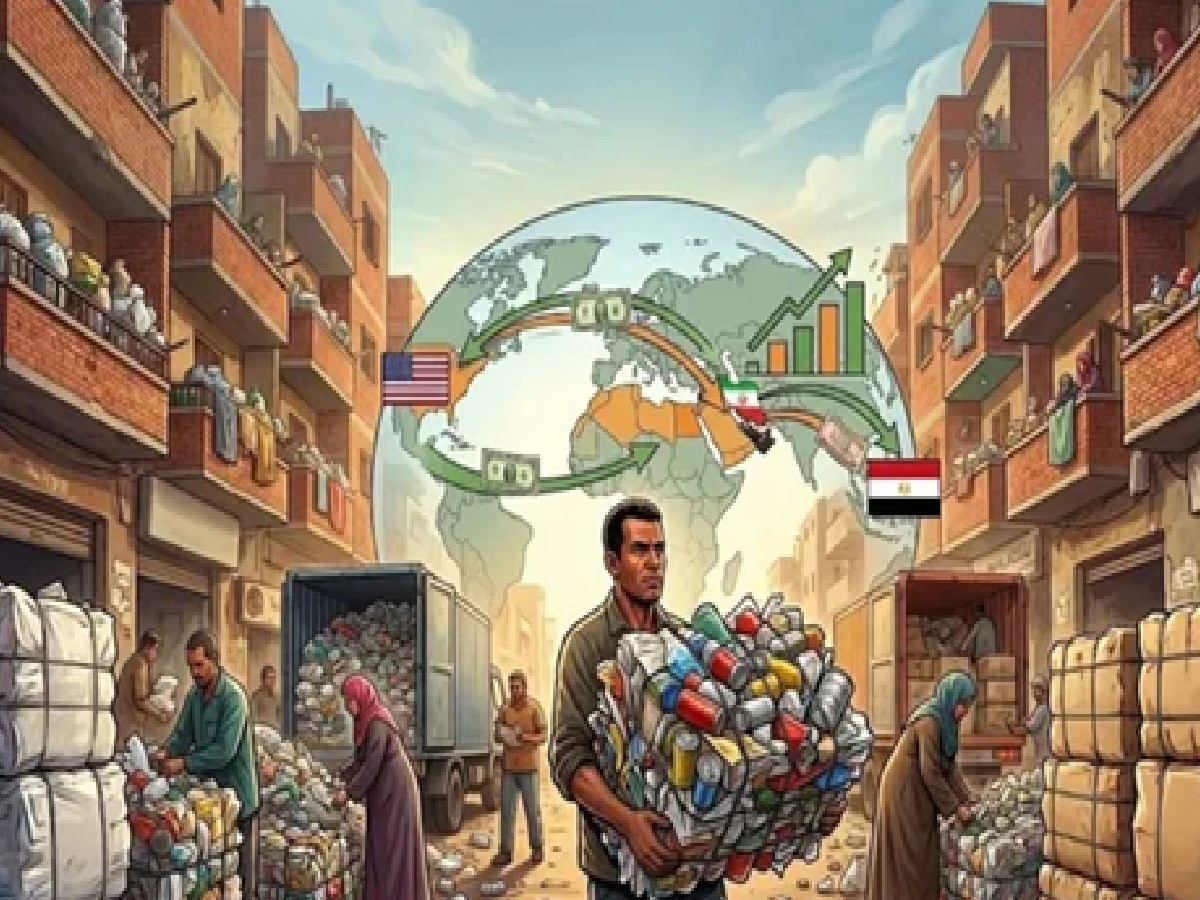
Cairo: The ripple effects of intense geopolitical friction thousands of kilometers away have triggered an unexpected economic renaissance in the labyrinthine alleys of Manshiyat Nasr, famously known as Cairo’s "Garbage City." As the high-stakes conflict between the United States and Iran chokes traditional international maritime trade routes, Egypt's localized recycling sector has suddenly found itself thrust into the global spotlight. Peter Romney, a prominent regional recycling expert operating out of this bustling waste-processing hub, reports a massive, unprecedented surge in urgent inquiries from desperate manufacturing plants. With access to primary petrochemical raw materials severely restricted, industrial factories across North Africa are aggressively competing to secure alternative local plastic streams.
Strait Of Hormuz Closure Fractures Global Supply Chains: Informal Recyclers Turn Into Market Dictators
The primary catalyst behind this sudden domestic industrial shift is the absolute blockade of the strategic Strait of Hormuz—the world's most critical maritime transit choke point for petroleum and petrochemical raw materials. Previously, Egyptian recycling units had to aggressively pitch their processed materials to skeptical commercial buyers. However, the current blockade has completely inverted market dynamics. Industry insiders state that generations of local Coptic Christian waste pickers, who have historically operated one of the world's most sophisticated yet informal circular economy ecosystems, are now commanding premium pricing. Factory procurement managers are now bypassing traditional distributors, calling local yard owners daily to secure any available volume of crushed or baled post-consumer polymers for immediate dispatch.
Living Amidst Mountains Of Waste: The Paradoxical Reality Of Manshiyat Nasr's Highly Advanced Network
Situated directly beneath the imposing Mokattam Hill and overlooking Cairo’s iconic historic Citadel, Manshiyat Nasr houses a dense population of over 115,000 residents who process more than a third of the capital city's daily municipal waste. The structural reality of this zone presents a profound human paradox. Entire families live and operate heavy sorting machinery under a single roof, with only a basic staircase or fabric curtain separating domestic living spaces from massive, multi-ton mounds of discarded plastic, metal, and glass. While this intensive exposure subjects the local community to severe, long-term environmental and respiratory health risks, the synchronized system of manual sorting, mechanical shredding, and industrial baling continues to function flawlessly as a high-yielding economic machine powered by global supply deficits.
Polyethylene Prices Double As Domestic Chemical Manufacturing Shifts From Imports To Local Sourcing
The economic data underlines a structural transformation across Egypt's manufacturing landscape. According to analytical data from the Independent Commodity Intelligence Services, approximately 85% of Middle Eastern polyethylene exports—the foundational component for global consumer packaging—traditionally transit directly through the now-disrupted Strait. With the Chamber of Chemical Industries confirming that Egypt normally relies on importing 40% of its virgin raw polymers from the Gulf Cooperation Council (GCC) nations, Europe, China, and South Korea, the sudden supply void has forced a complete pivot to recycled feedstock. Multiple primary industry sources confirm that wholesale market prices for specific packaging products and recycled polyethylene variants have surged by well over 100% since the onset of the military crisis.
Emerging Markets Open Wide: Egyptian Export Firms Target Brazil Amid Supply Chain Adjustments
This macro-environmental disruption has successfully allowed agile local enterprises to aggressively penetrate lucrative international markets that were previously cost-prohibitive. Fairouz Al-Sayed, Chief Executive Officer of the prominent Sadat City Chemical Fiber Factory—a leading industrial unit converting discarded PET bottles into high-grade polyester fiber—revealed that their firm has successfully broken into highly competitive South American markets, establishing stable export channels as far as Brazil. Simultaneously, corporate leadership at packaging giant Uflex Egypt, represented by Senior Marketing Manager Nesma Al-Arif, reported an immediate 40% exponential surge in inbound commercial demand for their specialized, eco-friendly recycled packaging solutions.
The Volatility Factor: Future Projections Tied Closely To International Diplomatic Breakthroughs
Despite the massive financial windfalls currently being enjoyed across Cairo's recycling network, seasoned commodity traders warn that this domestic market rally remains highly volatile and contingent upon international diplomacy. Local market analyst Yusuf pointed out that domestic price points and frenetic buying activity showed immediate signs of cooling down the moment US President Donald Trump publicly indicated that high-level diplomatic negotiations with Tehran were beginning to yield tangible progress. As supply chain logistics threaten to normalize rapidly upon the eventual reopening of Persian Gulf shipping lanes, Egyptian industrial units are moving quickly to solidify long-term corporate contracts, transforming a temporary wartime boom into a permanent, highly sustainable domestic economic asset.



_125698746_351x234.jpg)
_805577291_351x234.jpg)