


Trump Imposes New Tariffs On 60 Nations: India Placed In Lower 10% Slab Over Forced Labor Enforcement
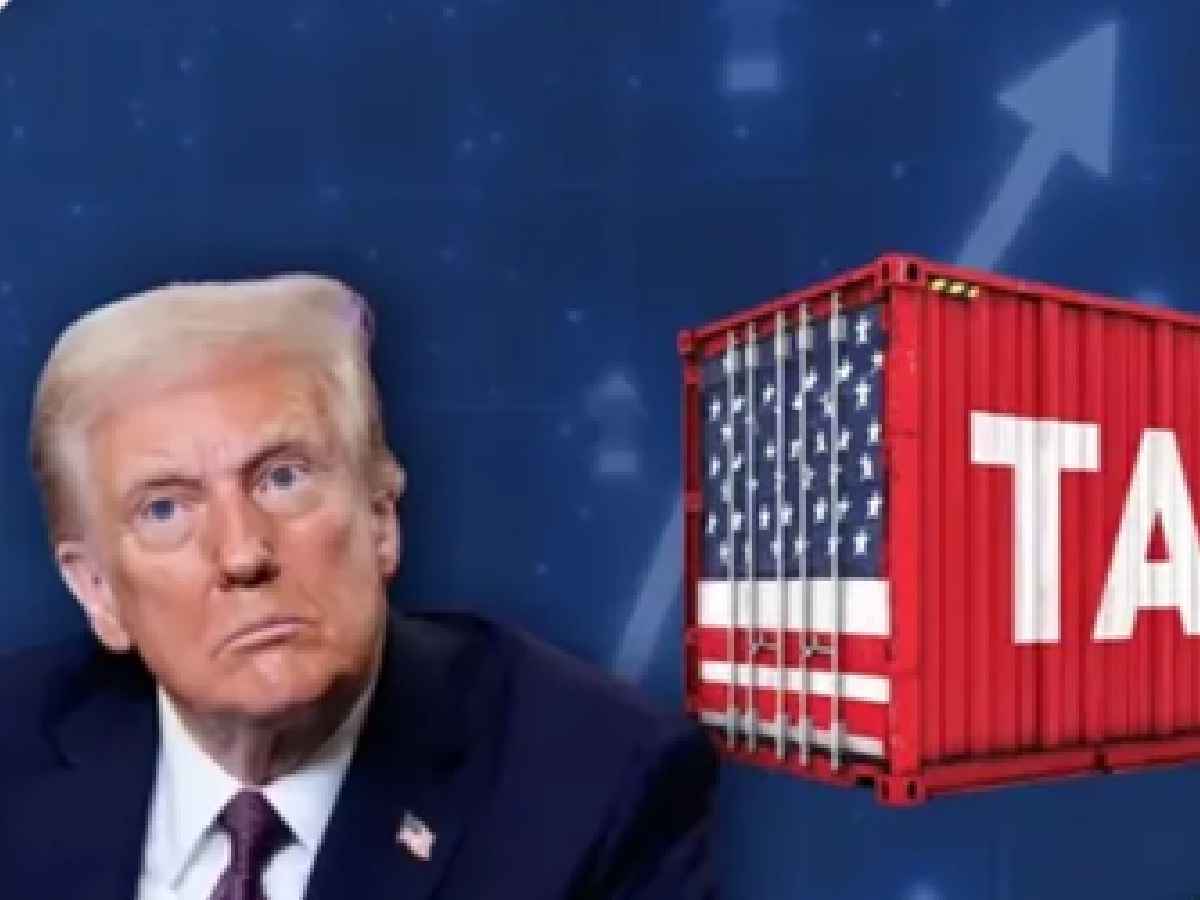
In a major global economic action, the Trump administration has officially declared new import tariffs ranging between 10% and 12.5% on 60 trading partners, including India. Formally executed under Section 301 of the Trade Act of 1974, the new duties replace a temporary 10% global tariff that expires at 12:01 a.m. EDT on Friday. According to Washington, the trade measures are designed to compel foreign governments to strictly curb supply chain malpractices and prohibit the movement of goods produced via forced labor. Under the finalized tariff framework, goods already in transit toward US ports will remain exempt until July 28.
US Trade Representative Cites Century-Old Ban On Forced Labor Imports
Elaborating on the strategic objectives behind the decision, US Trade Representative Jameson Greer stated that despite decades of international moral appeals, illegal forced labor practices have not been eliminated from global manufacturing networks. Greer emphasized that while the United States has legally barred forced labor imports for nearly a century, it is imperative for foreign trading partners to align with similar regulatory standards. The administration clarified that the tariffs specifically target economies that have either failed to establish clear legal bans or neglected effective enforcement against forced labor practices within their jurisdictions.
Negotiated Relief: India Secured In Lower 10% Tariff Category Along With 16 Nations
Although initial policy proposals categorized India under the steeper 12.5% tariff rate, active bilateral dialogue regarding domestic labor standards helped New Delhi secure placement in the lower 10% tariff bracket. A senior US official confirmed via ANI that India was moved to the lower tier following substantive negotiations on labor compliance frameworks. The 10% slab also applies to 16 other trading partners, including the United Kingdom, Canada, Mexico, Bangladesh, Pakistan, Malaysia, Indonesia, Cambodia, Sri Lanka, Jordan, Argentina, Ecuador, El Salvador, Guatemala, Honduras, and Trinidad and Tobago. Conversely, nations that lack adequate legislative safeguards against forced labor will face the maximum 12.5% duty. Select exports from the European Union, Japan, South Korea, Taiwan, and Switzerland will also attract tariffs of either 10% or 12.5% based on existing bilateral arrangements.
USTR Launches Fresh Section 301 Overcapacity Probes; Essential Commodities Exempted
Simultaneously, the Office of the US Trade Representative has initiated brand new Section 301 investigations targeting 16 countries over allegations of industrial overproduction. US authorities contend that artificial overcapacity depresses global commodity prices and harms American manufacturers, opening the door to potential secondary tariffs following the conclusion of these probes. However, the administration has carved out crucial carve-outs to prevent domestic supply chain shocks; specific key sectors—including crude oil and natural gas, agricultural fertilizers, select food products, steel, aluminum, copper, automobiles, and duty-free goods under the United States-Mexico-Canada Agreement (USMCA)—remain entirely exempt from the new duty framework.

_125698746_351x234.jpg)
_805577291_351x234.jpg)