


"They Don't Know Pakistan": Bilawal Bhutto Lashes Out After India Suspends Indus Water Treaty
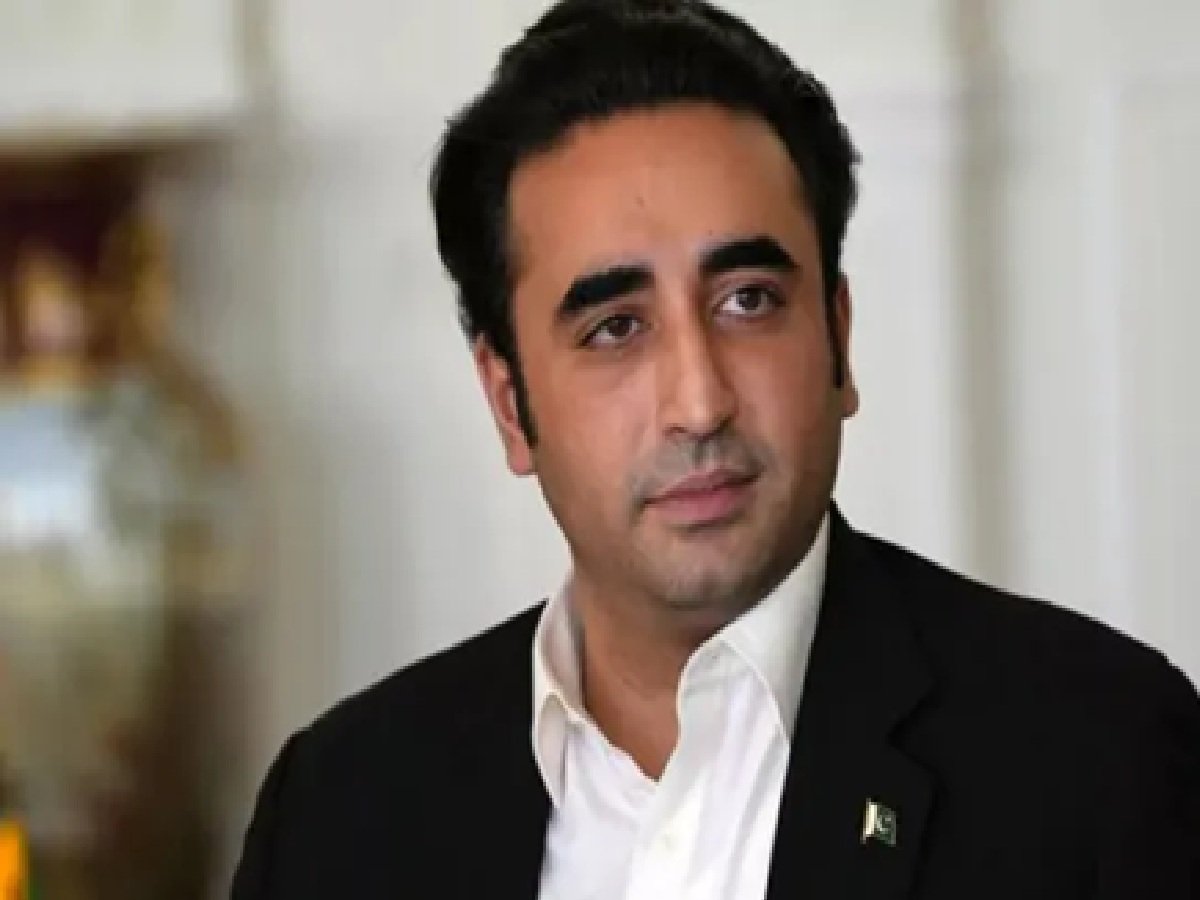
The escalating tensions between India and Pakistan have reached a new boiling point following New Delhi's decision to suspend the Indus Water Treaty in response to recurring cross-border terrorism, most notably the recent attack in Pahalgam, Jammu and Kashmir. The move has sent shockwaves through Islamabad, already reeling from a severe water crisis and increasing diplomatic isolation. In a defiant reaction, Pakistan Peoples Party (PPP) leader Bilawal Bhutto Zardari has issued a fiery warning, claiming that India fundamentally misunderstands Pakistan’s resolve regarding its water resources.
Bilawal’s Aggressive Stance on Indus Waters
During a recent seminar in Islamabad, Bilawal Bhutto Zardari launched a sharp verbal attack, asserting that Pakistan would never surrender its rights to the Indus River. Attempting to mask the country's diplomatic isolation, Bilawal declared, "If anyone believes that Pakistan will hand over the Indus, they don't know Pakistan. They don't know Sindh, Punjab, Balochistan, or the people who have lived along these rivers for thousands of years." His rhetoric framed the Indus River as Pakistan’s "lifeline," warning that any attempt by India to utilize water as a strategic tool would be viewed as an existential threat to the nation.
International Law vs. State-Sponsored Militancy
While Bilawal heavily emphasized international law and the fundamental rights of his citizens, he notably failed to address the core security concerns that prompted India's decision: the persistent issue of state-sponsored militancy. He described the Indus River as "not a bargaining chip" or a "weapon" to be controlled by New Delhi, demanding that India strictly adhere to the original terms of the Indus Water Treaty. According to Bilawal, lasting regional peace is impossible without the full restoration of the treaty, casting India's security-driven suspension as an act of international aggression.
Foreign Minister Ishaq Dar Joins the Protest
The chorus of protest was echoed by Pakistan’s Deputy Prime Minister and Foreign Minister, Ishaq Dar, who claimed that Pakistan is increasingly vulnerable. Dar warned that treating "shared waters as a weapon" violates international norms and serves to disrupt regional stability. He cautioned that if Pakistan’s perceived rights are compromised, the consequences would be felt by nearly two billion people across the region. Despite the aggressive posturing from Islamabad’s leadership, analysts suggest these statements reflect a desperate attempt to gain international sympathy while grappling with the real-world consequences of India’s hardening policy toward cross-border terrorism.



_2130631853_351x234.jpg)
_1229491019_351x234.jpg)
_1116272614_351x234.jpg)
_856785626_351x234.jpg)