


The Untold Origin Story Of How The FBI Was Quietly Founded By Imperial Bloodline
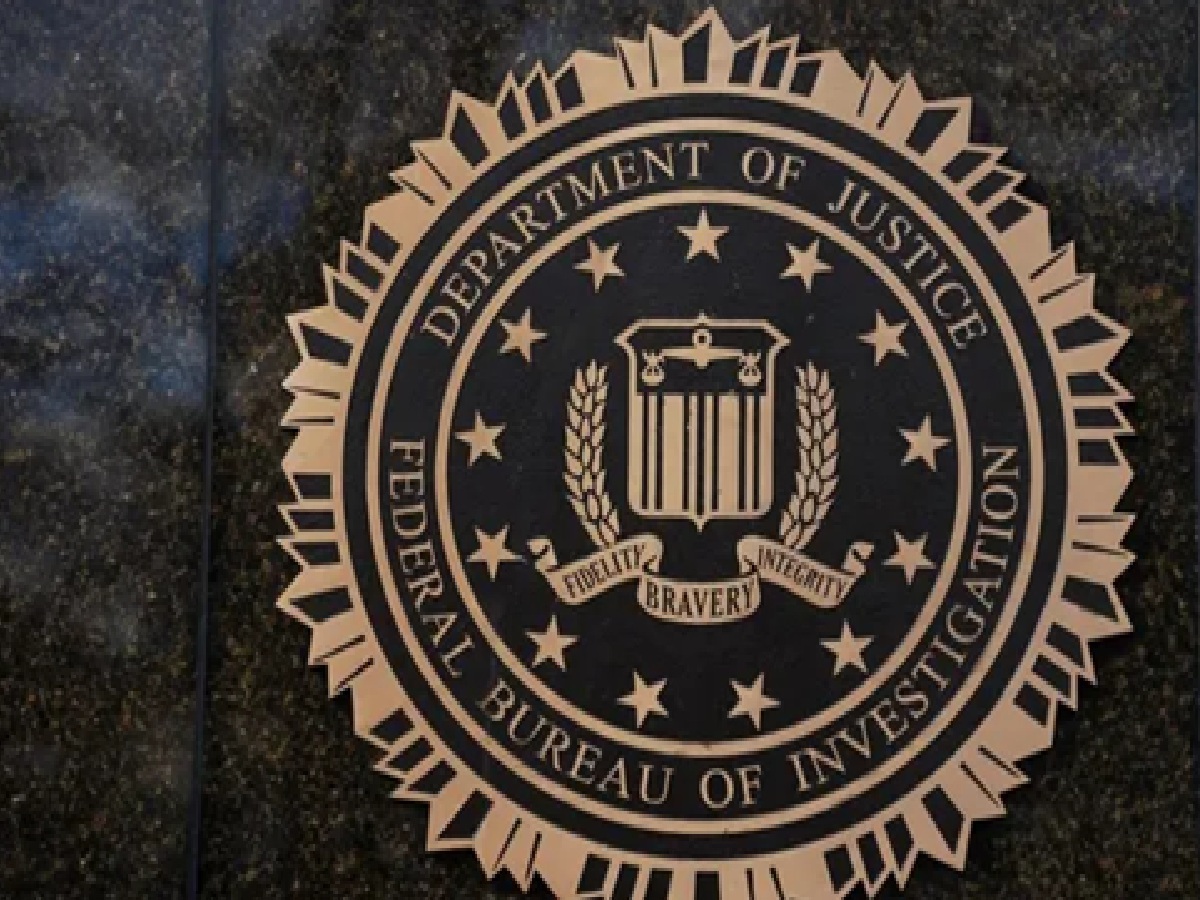
The Federal Bureau of Investigation (FBI), recognized globally today as an apex law enforcement and counterintelligence apparatus, owes its existence not to a grand legislative mandate, but to an extraordinary administrative maneuver sparked by a national tragedy. The agency’s historical trajectory was set in motion in 1901 following the tragic assassination of US President William McKinley. The security breach laid bare severe vulnerabilities within the American federal investigation architecture. Faced with a rapidly expanding nation, incoming President Theodore Roosevelt recognized the urgent necessity for a centralized, dedicated federal intelligence force capable of handling complex national crimes across state lines.
The Secret Service Borrowing Dilemma: How Congressional Opposition Stalled Federal Reform
In the early 1900s, the US Department of Justice operated without its own specialized detective corps. When high-level federal investigations were required, the Justice Department was forced to temporarily borrow intelligence operatives from the Treasury Department's Secret Service. Recognizing the inefficiency of this arrangement, the Roosevelt administration presented formal proposals to the US Congress to establish a permanent federal police branch. However, lawmakers fiercely rejected the initiative, expressing deep anxieties that an independent federal investigative bureau could easily be weaponized by executive leadership to conduct political espionage against congressional opponents and private citizens.
Napoleon Bonaparte’s Descendant Bypasses Congress: The Executive Order That Created A Legacy
Faced with firm congressional resistance, then-Attorney General Charles Joseph Bonaparte refused to let the initiative stall. In a remarkable twist of historical lineage, Attorney General Bonaparte was the direct grandson of Jerome Bonaparte—the youngest brother of legendary French Emperor Napoleon Bonaparte. Utilizing executive authority on July 26, 1908, Bonaparte cleverly bypassed congressional approval by issuing an internal administrative order. He quietly assembled a elite special task force of 34 investigators housed directly within the Department of Justice, establishing the foundational structure that would ultimately evolve into the modern FBI.
The J. Edgar Hoover Era: Transforming Land Fraud Investigators Into A Global Powerhouse
During its initial years, the nascent agency operated with a limited scope, prioritizing land fraud, white-collar banking schemes, and interstate jurisdictional violations. The agency's true structural evolution began in 1924 when 29-year-old J. Edgar Hoover was appointed Director. Hoover overhauled the bureau by introducing rigorous recruitment metrics, mandatory tactical training, and strict adherence to scientific criminal analysis. Under his transformative 48-year tenure, the force officially adopted the title of Federal Bureau of Investigation in 1935. Operating out of borrowed Justice Department offices for nearly seven decades, the FBI finally inaugurated its permanent stand-alone headquarters in Washington, D.C., in 1975.
Modern Criminology Pioneers: How The FBI Revolutionized Forensics, Biometrics, And Fingerprinting
Beyond domestic law enforcement, the FBI reshaped international policing standards through modern forensic science and centralized biometric record-keeping. In 1924, the bureau consolidated fragmented state fingerprint archives into a unified national fingerprint repository, constructing the conceptual framework for contemporary biometric intelligence databases. Furthermore, the agency established its premier forensic laboratory in 1932—growing from a single technician in a tiny office into the world's most advanced forensic center for ballistics, chemical analysis, and document verification. Coupled with the iconic "Most Wanted" nationwide media strategy, the bureau permanently altered the global landscape of criminal justice.



_125698746_351x234.jpg)
_805577291_351x234.jpg)