Netanyahu’s Litmus Test: How the October 27 Vote Could Radicalize or Repair Israel’s Global Standing
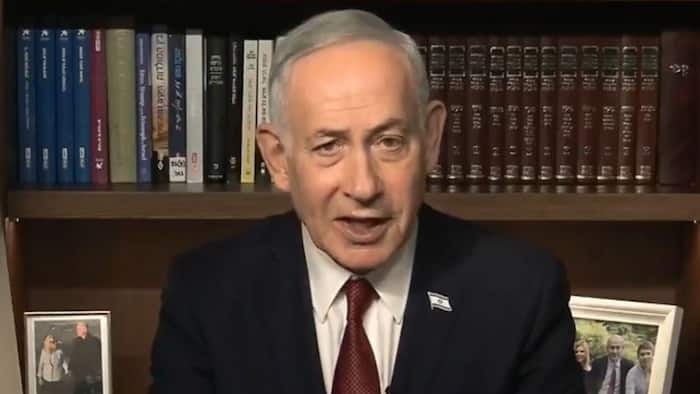
The countdown has officially begun for Israel’s highly anticipated general election on October 27. As political campaigns intensify across the country, Prime Minister Benjamin Netanyahu’s prolonged grip on power faces its most volatile challenge yet. Widely regarded as a direct referendum on his polarising wartime leadership since the outbreak of the Gaza conflict, this high-stakes vote arrives at a critical juncture marked by escalating military friction involving the United States, Israel, and Iran.
Deciphering the Knesset: Why Coalition Math Dictates Israeli Power
To understand the stakes of the October 27 ballot, one must understand the unique mechanics of the Knesset, Israel's 120-seat parliament. Under this system, citizens cast their votes directly for political parties rather than individual candidates. Seats are distributed proportionally based on each party's national vote share. For example, if a faction secures 10 seats, the top 10 individuals listed on that party's roster automatically enter parliament. To prevent extreme political fragmentation, a strict electoral threshold requires parties to secure at least 3.25 per cent of the total vote to gain entry; any faction that fails to clear this threshold receives zero representation. Because no single party historically clinches an absolute majority, the ultimate control of Tel Aviv's internal governance and foreign policy hinges entirely on complex post-election coalition negotiations.
The Survival Battle: Netanyahu Confronts Unprecedented Domestic Hurdles
Netanyahu's path to re-election is riddled with intense domestic vulnerability. Public resentment remains deeply rooted over the massive security lapses surrounding the October 7 attacks. Furthermore, a recent Hebrew University of Jerusalem survey sent shockwaves through the political establishment, revealing that over 92 per cent of Israelis believe Iran emerged victorious in the broader Middle East conflict. Consequently, Netanyahu’s personal approval ratings for the premiership experienced a sharp decline, plummeting from 40.5 per cent in March to a low of 29.4 per cent by June. Adding fuel to the political fire is a fierce national debate regarding whether ultra-Orthodox Jewish men should lose their historical exemptions and serve in the military. These domestic crises unfold against the backdrop of Netanyahu's ongoing international war crimes arrest warrant and a long-standing corruption trial at home.
The Challenger Triad: Meet the Men Aiming to Unseat 'Bibi'
Yair Lapid: The 62-year-old leader of the centrist Yesh Atid party remains a formidable force in Israeli politics. A former journalist who successfully transitioned into statecraft, Lapid has spent the last decade cementing his status as Netanyahu’s primary ideological rival on the secular centrist front.
Gadi Eisenkot: The 66-year-old former military chief of staff has garnered immense public empathy following the tragic loss of his son and two nephews in the Gaza war. Serving in Netanyahu’s war cabinet from October 2023 to June 2024, Eisenkot resigned to become a fierce critic of the administration's strategic failures, subsequently launching his new political party, Yashar.
Naftali Bennett: As a former Prime Minister, Bennett represents a profound electoral threat to the incumbent coalition. In 2021, Bennett disrupted decades of political norms by assembling a highly diverse coalition that successfully terminated Netanyahu’s consecutive 12-year rule. Though that government dissolved after a single year, opinion polls continue to position him as a top contender capable of capturing disgruntled right-wing and centrist voters.
The Geopolitical Ripple Effect: Gaza, Defences, and Washington Relations
The consequences of this election will inevitably transform Israel’s military posture and global partnerships. A victory for Netanyahu ensures a continuation of his uncompromising doctrine, prioritising protracted military pressure against regional adversaries and maintaining long-term Israeli security control over the Gaza Strip while entirely rejecting Palestinian sovereignty. Conversely, an opposition triumph would likely usher in sweeping structural reforms within the Israel Defence Forces (IDF). On the diplomatic front, while an opposition-led government would still block Hamas from returning to power, it would aggressively collaborate with the United States on post-war stabilisation strategies, aiming to repair the severe diplomatic strains that Netanyahu's policies have caused with Washington over ceasefire frameworks and regional initiatives.

_421735380_351x234.jpg)
_250724134_351x234.jpg)