Monsoon Health Alert: Switch These Daily Habits Now to Prevent Dangerous Stomach Infections and Food Poisoning
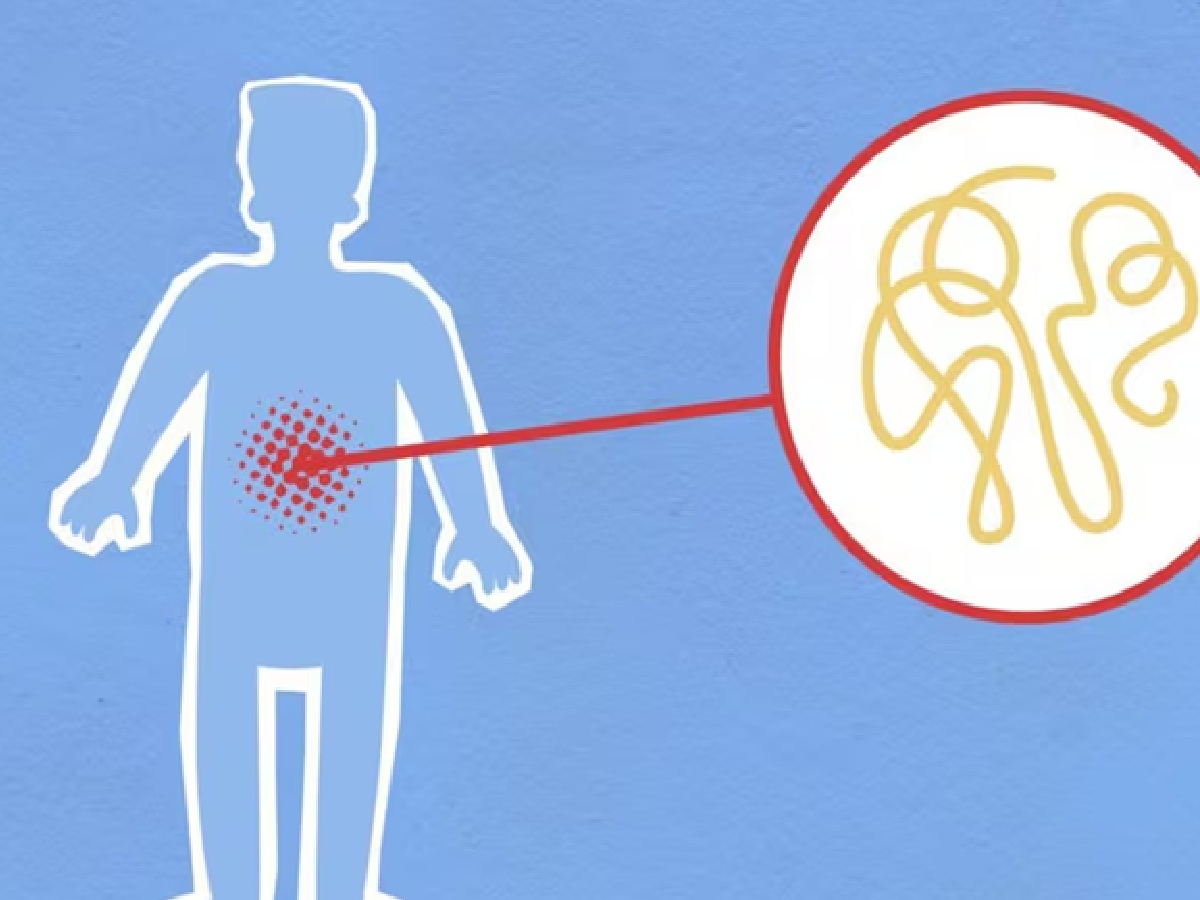
While the arrival of the monsoon season brings much-needed relief from the scorching summer heat along with cool, refreshing breezes, it also invites a steep rise in waterborne and gastrointestinal illnesses. Medical professionals report a sharp surge in clinical cases involving severe stomach infections, acute diarrhea, vomiting, gastroenteritis, food poisoning, typhoid, and hepatitis A during the humid rainy months. High atmospheric humidity accelerates bacterial and viral proliferation, while heavy downpours frequently contaminate local water supply networks. Doctors emphasize that making a few mindful adjustments to your daily hygiene and dietary habits can keep these seasonal digestive ailments safely at bay.
Prioritize Safe and Purified Drinking Water
The single greatest driver of severe gastrointestinal distress during the monsoon is the consumption of contaminated water. Heavy downpours often cause sewage overflow to seep into municipal drinking lines, rendering seemingly clear water dangerous to health. Medical experts strongly advise consuming only thoroughly boiled, properly filtered, or certified packaged drinking water during this period. When stepping outside, it is wise to avoid commercial juices, street-side ice water, or open beverages, making it a reliable practice to carry your own personal water bottle wherever you go.
Stick to Freshly Prepared Homemade Meals
Humidity during the rainy season causes prepared food items to spoil at an alarming rate, allowing microbes to multiply rapidly on exposed surfaces. Health specialists recommend eating exclusively fresh, warm, homemade food and avoiding pre-cooked meals left sitting out in the open. Street food, openly displayed snacks, and pre-cut fruits sold by vendors should be completely avoided during the monsoon, as they act as primary breeding grounds for harmful bacteria that trigger sudden food poisoning.
Deep Clean and Sanitize Fruits and Vegetables
Rinsing produce under a casual splash of tap water is insufficient during the monsoon season, as leafy greens and surface rinds easily harbor embedded dirt, agricultural residues, and resistant pathogens. Doctors suggest washing all fruits and vegetables meticulously, recommending a brief soak in diluted vinegar or salt water to eliminate invisible microbial loads before cooking. Raw sprouts and unpeeled raw salads should also be minimized, as damp conditions make them exceptionally prone to rapid bacterial colonization.
Practice Rigorous Hand Hygiene and Monitor Symptoms
Maintaining basic personal hygiene remains the most powerful defense against infectious stomach bugs. Make it a strict habit to wash your hands thoroughly with soap and water before handling meals, after using restroom facilities, and immediately upon returning from public spaces. In the event that you experience mild digestive upset, focus heavily on preventing dehydration through adequate electrolyte intake and simple, bland foods. However, if warning signs such as persistent high fever, severe cramping, bloody stools, or prolonged vomiting occur, seek immediate medical consultation.