


Fuel shortage and long lines amid Ukraine's attack 2000 km inside Russia
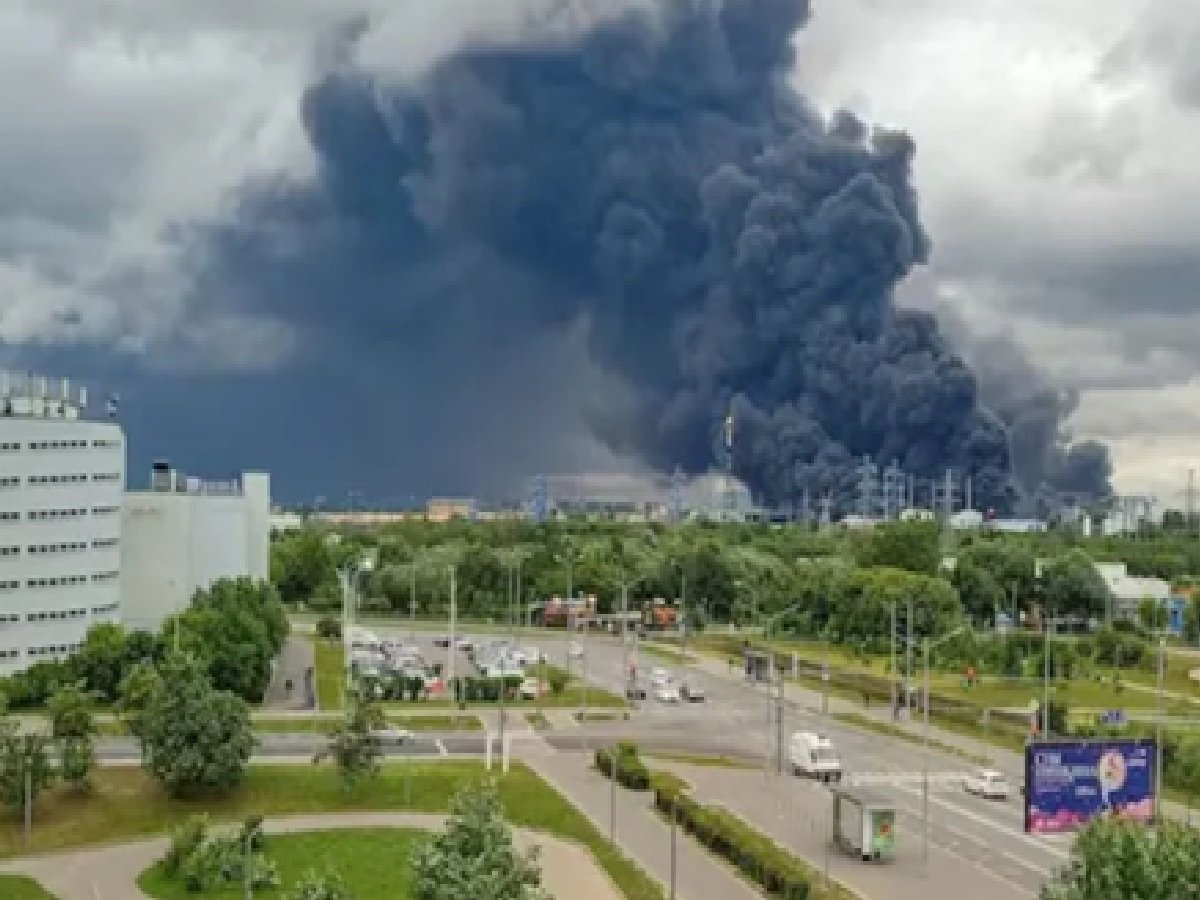
Suspense Crime, Digital Desk : Ukraine's attack on the Tyumen oil refinery in Russia's Urals, about 2,000 km from Ukraine, further fuels Kiev's anti-Russia energy infrastructure operations.
President Zelensky said Ukraine's recently launched drones can fly over 3,000 km, The Tyumen refinery is one of the biggest oil refining companies in Russia and can process up to 151,000 barrels of crude per day and is a major fuel supplier for the Russian market.
Drivers stuck in long lines across Russia
Officials had earlier confirmed fuel shortage in several southern regions of Russia. Residents in Russia's capital were also forced to face rising fuel costs and supply shortages earlier this week after drones struck Moscow.
Petrol sales restrictions enforced
Fuel shortages intensified across Russia after drone and missile strikes on the country's oil refineries intensified, reported Wall Street Journal. Over the last few days, 53 regions across Russia have imposed petrol sale restrictions and long queues were reported at fuel stations.
Almost 20 per cent of Russia's oil refining capacity was crippled, with the International Energy Agency terming it "unprecedented in the conflict history of Russia and Ukraine".
Moscow oil refinery targeted twice in one week
On June 16, Ukraine targeted a Moscow refinery and then hit it again two days later in what could be the most devastating drone assault on Russia's capital since its full-scale offensive in 2022. According to industry sources cited by Reuters, on June 18, the "Euro+" crude oil processing complex, part of the refinery's upgrade project that started in 2020, was damaged. The complex comprises the crude oil distillation unit (CDU) that accounts for approximately 140,000 barrels per day – close to half (47%) of the plant's processing capacity. A similar attack on June 16 damaged another CDu representing another 53% of the refinery's capacity.
Restrictions on oil purchases imposed by Russia
As many as 53 regions in Russia along with occupied territories have enforced the restrictions on buying fuel, Russian independent outlet The Bell reported. Most drivers are now permitted to fill only one tank of fuel at a time to prevent hoarding. The consumption of petrol for drivers in 18 regions has been restricted to 50 litres, or one tank-full per vehicle.
Major Russian oil producer Tatneft imposed limitations at 536 of its filling stations across the nation, and one of its stations just south of Moscow only allows drivers to fill 20 litres of gasoline at a time.
In Crimea, the fuel crisis reached severe levels with Ukraine targeting oil tankers and trucks transporting fuel there. Since late May, drivers have waited up to three hours to fuel their vehicles with fuel being supplied under a rationing system determined by QR codes. A number of refinery plants have ceased operations fully or partially resulting in a loss of over 20 per cent of Russia's key oil refining capacity being paralysed.
Ban on jet fuel export
Russia imposed an embargo on the export of jet fuel, and the deadline for refining companies to sell domestically the products of poor quality (not corresponding to Euro-5 standard) were extended.
_2130631853_351x234.jpg)
_1229491019_351x234.jpg)
_1116272614_351x234.jpg)
_856785626_351x234.jpg)