Chhattisgarh Paper Leak Case: ED Arrests Former CGPSC Chairman Taman Singh Sonwani Under PMLA
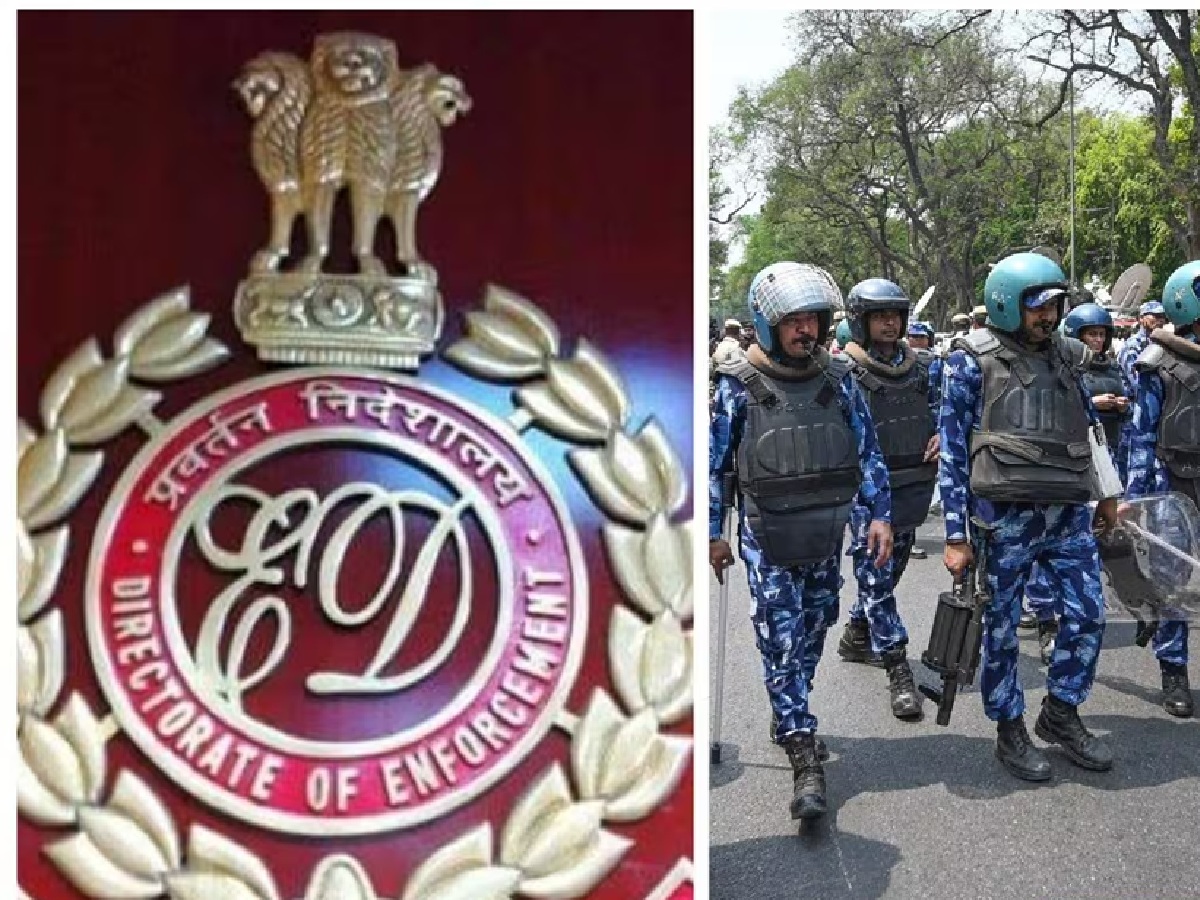
In a significant crackdown on corruption within state recruitment bodies, the Enforcement Directorate (ED) has arrested Taman Singh Sonwani, the former chairman of the Chhattisgarh Public Service Commission (CGPSC). The high-profile arrest in Raipur stems from an intense money laundering investigation revolving around alleged paper leaks and systemic manipulation of state service examinations conducted in 2020 and 2021. Federal investigators allege that the former chief misused his administrative powers to favor candidates who provided illicit kickbacks and to secure government appointments for his own relatives, triggering widespread political and public outrage.
Investigation Based on CBI FIR and Evasive Questioning
Federal officials leading the probe disclosed that Sonwani's responses during continuous interrogations were consistently evasive and unsatisfactory. Consequently, the Enforcement Directorate formally took him into custody under the strict provisions of the Prevention of Money Laundering Act (PMLA). Following his arrest, Sonwani was produced before a special PMLA court in Raipur, where central investigators sought his official custody to unearth deeper financial trails. The ongoing money laundering case was initiated following a First Information Report (FIR) registered by the Central Bureau of Investigation (CBI), which had taken over the matter based on initial complaints filed by the Chhattisgarh Police in November 2023 following a change in state governance.
Allegations of Bribes, Nepotism, and Rule Amendments
The federal probe agency has leveled severe accusations against the former CGPSC chief, stating that he orchestrated paper leaks and manipulated evaluation processes for illegal financial gains. Investigators claim that Sonwani systematically bypassed merit by favoring high-paying candidates and close relatives. As part of this scheme, the commission's recruitment rules were amended back in 2021 to exclude specific familial terms from the definition of a "family," allegedly designed to clear the path for relatives to secure lucrative government posts without legal impediments. Furthermore, financial audits revealed that a portion of the illicit bribe money was routed through a family-controlled committee under the guise of Corporate Social Responsibility (CSR) donations directed toward a non-existent educational institution. The ED specifically noted that approximately ₹4.5 million was funneled through this corporate route from a private company in exchange for securing favorable selections for two deputy collector candidates.