


Diplomatic Shift in Kathmandu: Nepali PM Balen Shah Breaks His Own Rule to Meet Indian and Chinese Envoys
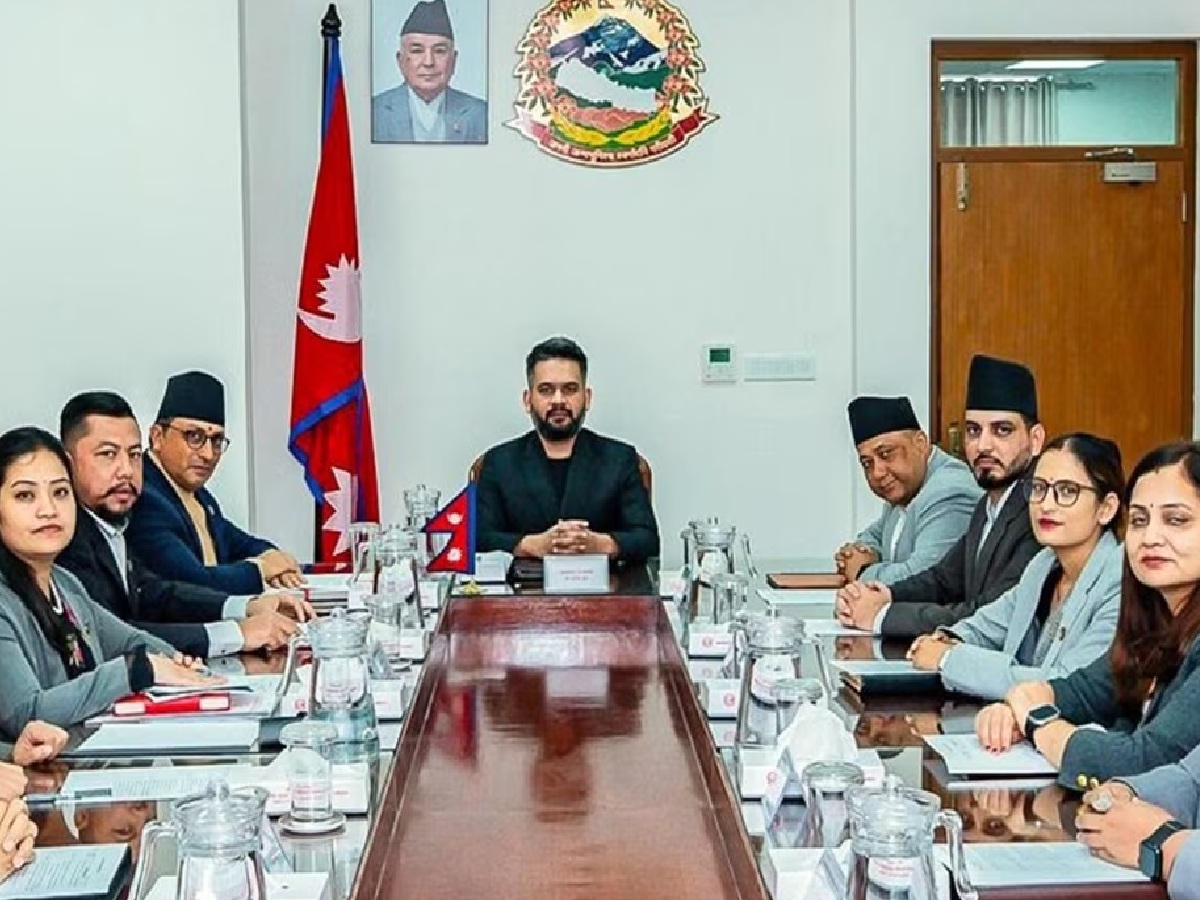
In a major strategic U-turn after completing 100 days in office, Nepal's Prime Minister Balendra Shah is set to break his self-imposed diplomatic rule. Abandoning his strict policy against private, one-on-one interactions with foreign representatives, PM Shah has scheduled individual high-level meetings with the ambassadors of India and China this week. Marking a significant evolution in Kathmandu's foreign policy, this calculated move comes on the heels of the newly elected administration snubbing multiple high-profile engagement requests from top American diplomats.
Balancing New Delhi and Beijing: Same-Day Envoys Meetings
Coordinated directly through Nepal’s Ministry of Foreign Affairs, the upcoming diplomatic engagements are slated to take place on the very same day. According to official itineraries, PM Balendra Shah will hold separate closed-door discussions with Indian Ambassador Naveen Srivastava and Chinese Ambassador Zhang Maoming. Foreign policy analysts note that hosting the envoys of both powerful neighboring nations on a single day is a deliberate and balanced maneuver, signaling that New Delhi and Beijing hold equal strategic weight in Kathmandu's diplomatic blueprint.
Why Prime Minister Shah Changed His Rule After 100 Days
Ever since taking the oath of office on March 27, PM Shah shattered decades-old diplomatic traditions in Nepal by refusing to entertain individual one-on-one visits from foreign dignitaries at his official residence. Instead, he previously favored collective briefings, holding joint group meetings with all station ambassadors on April 9 and May 26—a transparent approach that initially won praise from regional policy experts. Explaining the sudden shift, a close aide to the Prime Minister noted that after spending the past two weeks focusing extensively on domestic stakeholders like traders, industrialists, and contractors, the administration felt it was time to re-engage foreign counterparts, naturally starting with India and China.
Previous Snubs to US Diplomats and Rare Exceptions
The recalibration of Kathmandu's foreign engagement highlights a selective approach to global superpowers. Prior to this decision, PM Balendra Shah repeatedly declined meeting requests from senior United States delegations visiting Nepal. High-profile rejections included denied appointments for US Assistant Secretary of State for South and Central Asian Affairs Samir Paul Kapoor, President Donald Trump's Special Envoy Sergio Gor, and US Under Secretary of State for Public Diplomacy Sarah B. Rogers. In fact, throughout his first 100 days, Shah made only one exception to his isolation rule—welcoming Asian Development Bank (ADB) President Masato Kanda during his three-day official visit beginning July 6, proving that economic development takes precedence as his administration charts an independent foreign policy course.


_125698746_351x234.jpg)
_805577291_351x234.jpg)