Crypto Gambit: How Sharif and Munir Used Digital Assets to Infiltrate the Trump Administration
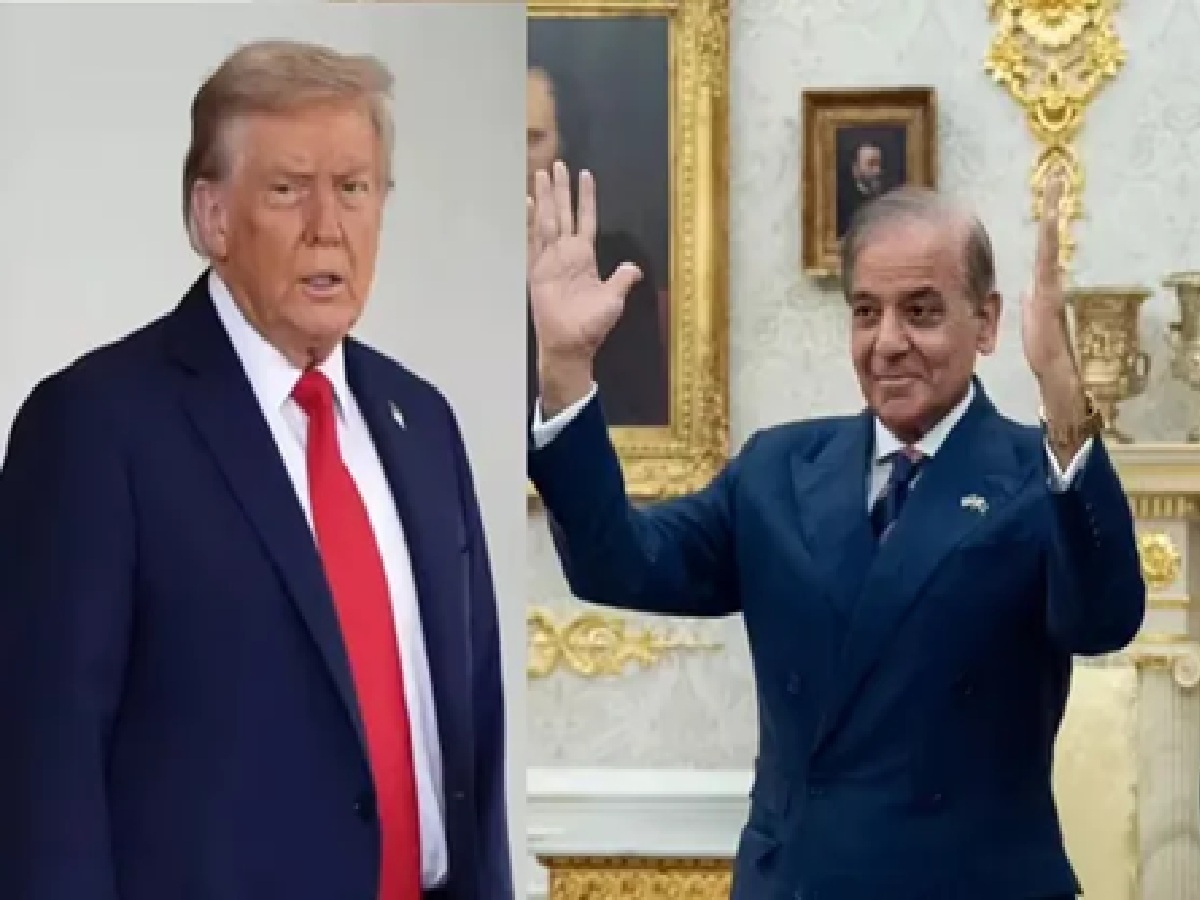
In a calculated move that blends high-stakes geopolitics with digital finance, Pakistan’s top leadership—Prime Minister Shahbaz Sharif and Army Chief Asim Munir—appears to have executed a masterclass in "pay-for-access" diplomacy. While global attention was fixed on the potential of a cross-border cryptocurrency project, analysts now suggest the entire affair was a strategic "bluff" designed to secure a seat at the table with United States President Donald Trump.
The Crypto Deal: A Diplomatic Trojan Horse
The core of the strategy involved a memorandum of understanding (MoU) signed in January between Pakistan's Finance Ministry and SC Financial Technologies, an affiliate of the Trump family’s World Liberty Financial (WLF). The proposal aimed to explore the use of the USD1 stablecoin for international payments. However, nearly six months later, the project remains largely aspirational: no pilot programs have launched, no licenses have been issued, and not a single transaction has been verified. Experts now argue that the financial project was merely a facade for a deeper political objective.
Achieving Unprecedented Political Access
Despite the lack of tangible economic results from the crypto venture, the Sharif-Munir duo has achieved their primary goal: unprecedented access to the inner circles of the Trump administration. The diplomatic dividends were immediate and significant. Following the agreement, Pakistan made headlines by nominating President Trump for the Nobel Peace Prize. By June 2025, the breakthrough became undeniable when President Trump hosted Army Chief Asim Munir for a private lunch at the White House—a historic gesture never before extended to a Pakistani army chief in such a fashion.
Beyond the Ledger: A Strategy of Influence
Economists and policy analysts, including Karachi-based expert Khurram Hussain, emphasize that the deal was never truly about the technology; it was a quintessential "pay-for-access" strategy. The intent was to leverage the Trump family’s growing interest in the cryptocurrency sector—a business vertical that generated over $500 million for the Trump family last year—to embed Pakistani influence within Washington. This strategy gained further traction when the US, recognizing Pakistan's utility, allowed Islamabad to attempt a mediating role in the Iran-Israel conflict. The success of this maneuver was underscored when US Vice President JD Vance publicly lauded Asim Munir’s role in Switzerland last month, proving that while the crypto project may remain on paper, the diplomatic capital Pakistan earned is very real.


_1869291399_351x234.jpg)
_466156972_351x234.jpg)
_700278499_351x234.jpg)
_907667058_351x234.jpg)