Priyanka Tiwari
 Share
Share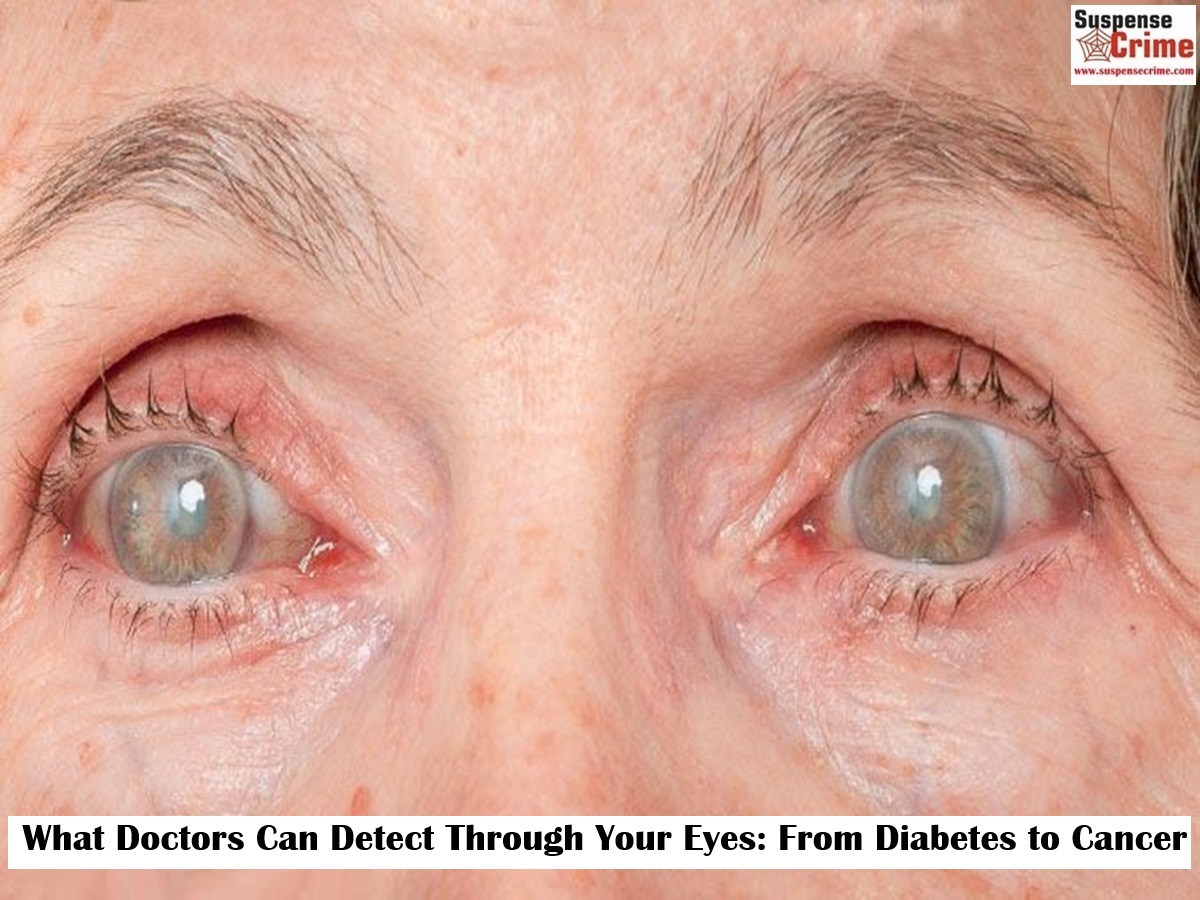
Suspense crime, Digital Desk : Doctors can detect signs of serious conditions like diabetes, high blood pressure, and even cancer by examining your eyes. Learn what your eyes reveal about your overall health.
When visiting a doctor, many people are familiar with the standard checks of the tongue and pulse, but the eyes are also a key diagnostic area. Ever wonder why doctors examine your eyes? It’s because your eyes can reveal important clues about your health. Medical professionals can detect symptoms of various diseases just by looking at your eyes, making them a powerful indicator of internal health.
Several serious health conditions can be detected through eye examinations. Diseases such as high blood pressure, diabetes, and even certain types of cancer often leave visible signs in the eyes. According to Dr. Charles P. Wilkinson, a retina specialist at the American Academy of Ophthalmology, examining the eyes gives a unique view inside the body. The eyes are the only area where doctors can directly observe moving blood vessels and even part of the brain—specifically the optic nerve.
A study by VSP Vision Care involving 120,000 patients revealed significant findings from routine eye exams. The results showed that 34% of the patients had diabetes, 39% had high blood pressure, and 62% showed signs of high cholesterol—all discovered through eye checks.
Red spots or small blood drops inside the eye may be an early sign of diabetes. High blood sugar levels can damage the small blood vessels in the eyes, causing them to burst. If not treated in time, this can lead to serious vision problems and even blindness.
Eye redness, itchiness, and swelling can also signal underlying health issues. These symptoms may be caused by infections like conjunctivitis or pink eye, or by allergies to dust, pollen, or animal dander.
Dry eyes are another common issue and can result from prolonged use of screens like laptops or mobile phones. Some medications—such as sleeping aids or anxiety drugs—can also lead to dry eyes. In certain cases, autoimmune diseases may be responsible.
Blurry vision or difficulty seeing nearby objects is common as people age, a condition known as presbyopia. However, some medications like antihistamines, diuretics, and antidepressants can also cause this issue. Sudden blurry vision may be a sign of high blood pressure and should be addressed immediately by a doctor.
Seeing flashes of light, spots, or losing peripheral vision could indicate retinal detachment, a medical emergency requiring immediate treatment. Additionally, white rings around the eyes or yellow patches on the eyelids can be signs of high cholesterol—particularly in older adults. In such cases, a blood test is usually recommended.
In rare cases, cancers such as eye cancer or even brain tumors can be detected through changes in the eyes. Symptoms might include unexplained eye pain or pressure. If no other cause is found, further tests may be necessary to rule out tumors.
Health experts strongly advise regular eye checkups, as many systemic conditions can be caught early through a routine eye exam.
Read More: Beyond the Drumstick The Secret Health Benefits of Moringa You Probably Didn't Know