Priyanka Tiwari
 Share
Share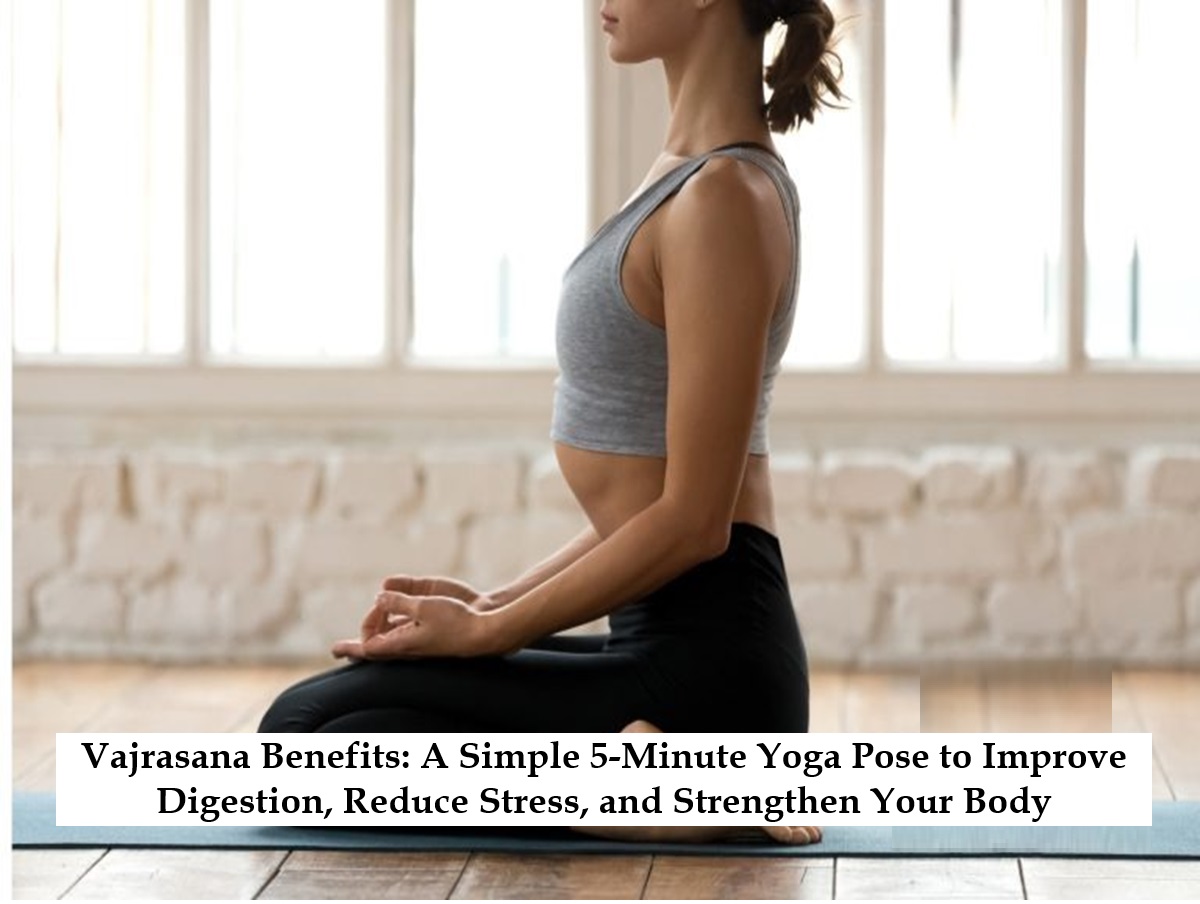
Suspense crime, Digital Desk : One of the yoga positions that can easily enable one to practice yoga after meals is called Vajrasana, or The Thunderbolt Pose. For all those who want their digestive health to get better as well as those who want to lower their stress levels, practicing the pose for 5-10 minutes on a daily basis can help.
Vajrasana is known to help alleviate issues with fuel consumption for the body.
Such fuel consumption can help in staying active while ensuring that you are not exhausted.
Aside from this, it has also been noted that it alleviates the risks of anxiety and stress while being active.
This position is one of the few yoga positions that should be attempted after eating since it provides natural assistance for digestion.
Not only can this help with digestion, but it also strengthens the stamina of legs and the core area while aiding in a person's balance and posture.
Lastly, daily practitioners have also noted how effective it is at relieving bloating as well as supporting in weight management.
With all these benefits, practicing Vajrasana might be one of the easiest ways to boost your health while keeping yourself in shape.
1. Controls High Blood Pressure:
Following the diaphragmatic active exercises of Vajrasana may assist in controlling blood pressure.
2. Improves Lung Capacity:
It enhances oxygen intake through the lungs as a result of deep breathing in this position.
3. Regulates Blood Sugar:
Abdominal fat and blood sugar levels may be lowered due to improved metabolic activity.
Why Vajrasana is Best After Eating
Posture aids natural digestion flow and soothes abdominal strain resulting from heavy meals. Spending even as little as three to five minutes in Vajrasana has been shown to:
Reduce chest tightness
Increase the rate of digestion
Decrease stomach burden
Reduce the risk of acid and gas formation
How to Do Vajrasana (Step-by-Step)
Step 1: Go down on one knee placing your foot parallel to the other knee.
Step 2: Sit down so that your heels can support your buttocks.
Step 3: Ensure a straight spine, shoulders relaxed, head facing ahead while palms rest on thighs.
Step 4: Let the toes face down and the heels shoot up.
Step 5: Focus on your breathing. Breathe in and out slowly.
Step 6: Maintain the position for 5 to 10 minutes, particularly post meals.
The asana can be performed by novices and at any age, if they don't have knee injury complications.
Read More: Get Korean Glass Skin at Home: The ₹5 Secret Ingredient for a Glowing Night Cream