
 Ziya
Ziya Share
Share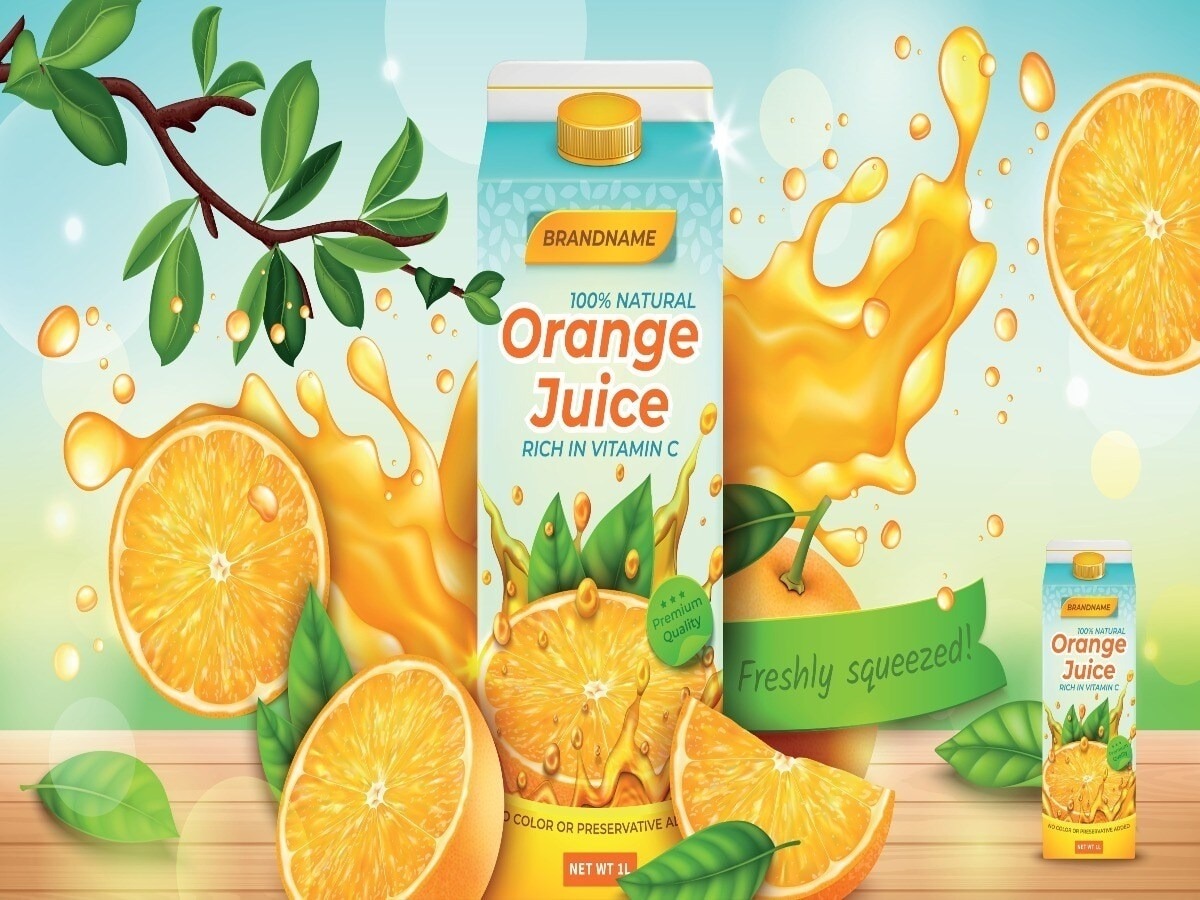
We've all done it. Rushing out the door, we grab a glass of fruit juice, thinking we've made a healthy choice to start the day. It’s from a fruit, so it has to be good for us, right? According to one nutritionist, that might not be the whole story.
In a recent reveal that has many people rethinking their morning routine, a nutritionist pointed out that some of the most popular fruit juices are less of a health elixir and more of a hidden sugar bomb.
The main problem isn't the fruit itself, but the process of turning it into juice. When we juice fruits, we strip away one of their most valuable components: fiber. What we're often left with is a concentrated dose of sugar. Drinking a glass of juice can be like drinking sweetened water, causing a rapid spike in your blood sugar levels. Eating a whole fruit, on the other hand, allows the fiber to slow down the absorption of sugar, keeping you full and your energy levels stable.
So, which popular juices made the not-so-healthy list?
1. Packaged Orange Juice: This is a breakfast staple for millions. But the convenient, store-bought carton of orange juice is often far from what you’d get by squeezing an orange yourself. Many packaged versions are loaded with added sugars, preservatives, and artificial flavors to make them last longer and taste consistent. You lose out on the fiber, and what you're drinking is essentially sugar water with a bit of vitamin C.
2. Sugarcane Juice: Especially popular in the summer, sugarcane juice is often seen as a natural, refreshing hydrator. While it is natural, it's also incredibly high in sugar. Drinking it can lead to a significant and immediate spike in blood sugar, making it a poor choice, especially for those with insulin resistance or diabetes.
3. Pineapple Juice: Delicious and tropical, pineapple juice is another favorite. However, like the others, it's very high in natural sugar (fructose) and lacks the fiber of the whole fruit. The pasteurization process used for packaged pineapple juice can also diminish some of its natural vitamins and enzymes, like bromelain, which aids digestion.
The Takeaway? Eat Your Fruit, Don't Drink It.
The message from nutrition experts is clear: when you have the choice, always opt for the whole fruit. You'll get all the vitamins, minerals, and, most importantly, the dietary fiber that keeps your digestive system happy and your blood sugar in check. That glass of juice might be convenient, but the simple act of eating an apple or an orange is a far healthier habit in the long run.
_1570701464_100x75.jpg)
_1563449287_100x75.jpg)

_1025409548_100x75.jpg)
_1681775372_100x75.jfif)