Priyanka Tiwari
 Share
Share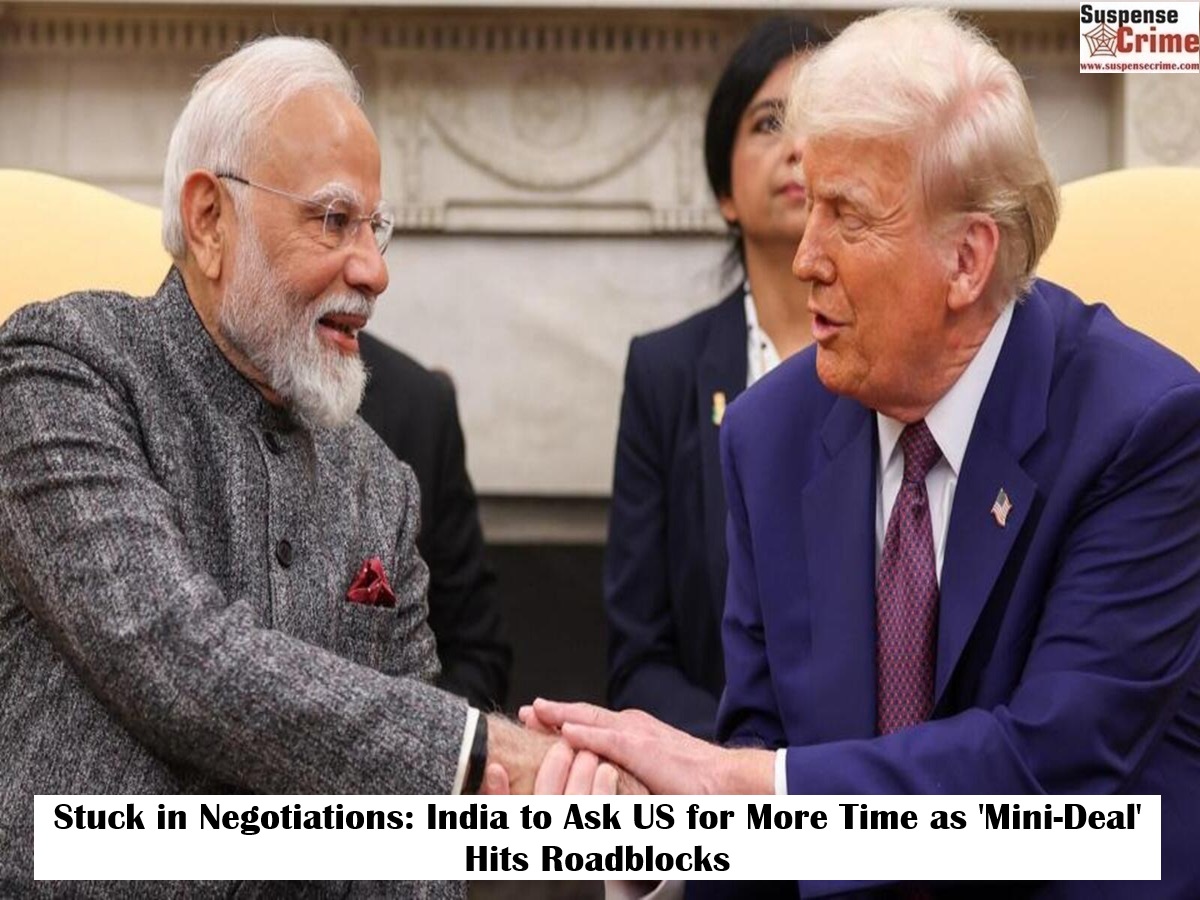
Suspense crime, Digital Desk : India is preparing to ask the United States for another extension on its deadline to impose retaliatory tariffs, as crucial negotiations for a limited trade deal have hit a wall over key disagreements. The move is aimed at preventing a trade skirmish and providing more time to find a middle ground.
The dispute dates back to last year when the U.S. terminated India's preferential trade status under the Generalized System of Preferences (GSP), which allowed billions of dollars worth of Indian goods to enter the U.S. duty-free. In response, India announced it would impose higher tariffs on 28 American products, including high-value agricultural goods like almonds, walnuts, and apples.
However, India has repeatedly postponed implementing these tariffs, hoping to resolve the issue through a "mini-deal." But finding a consensus has proven difficult, with both sides holding firm on sensitive issues.
What Are the Sticking Points?
The negotiations are deadlocked over a few critical areas:
What the U.S. Wants: The United States is pushing for greater market access for its agricultural and dairy products in India. It is also seeking significant tariff reductions on Information and Communication Technology (ICT) products and medical devices.
What India Wants: India's primary demand is the full restoration of its GSP benefits. Furthermore, India is protective of its domestic farmers and is reluctant to open its dairy market to U.S. imports, citing concerns over animal feed practices.
This deadlock highlights the complexities of balancing a strategic partnership with domestic political and economic interests. While both nations are keen to strengthen their ties, these trade disagreements have become a persistent thorn in their side. By seeking another extension, India hopes to keep the dialogue alive and avert a costly tariff battle.
Read More: Saffron Surge in Rajya Sabha: 7 AAP MPs Defect to BJP as Ruling Party Hits Record 113 Seats

_1412932328_100x75.jpg)