










Siraj Overlooked Again as Prasidh Krishna Replaces Akash Deep
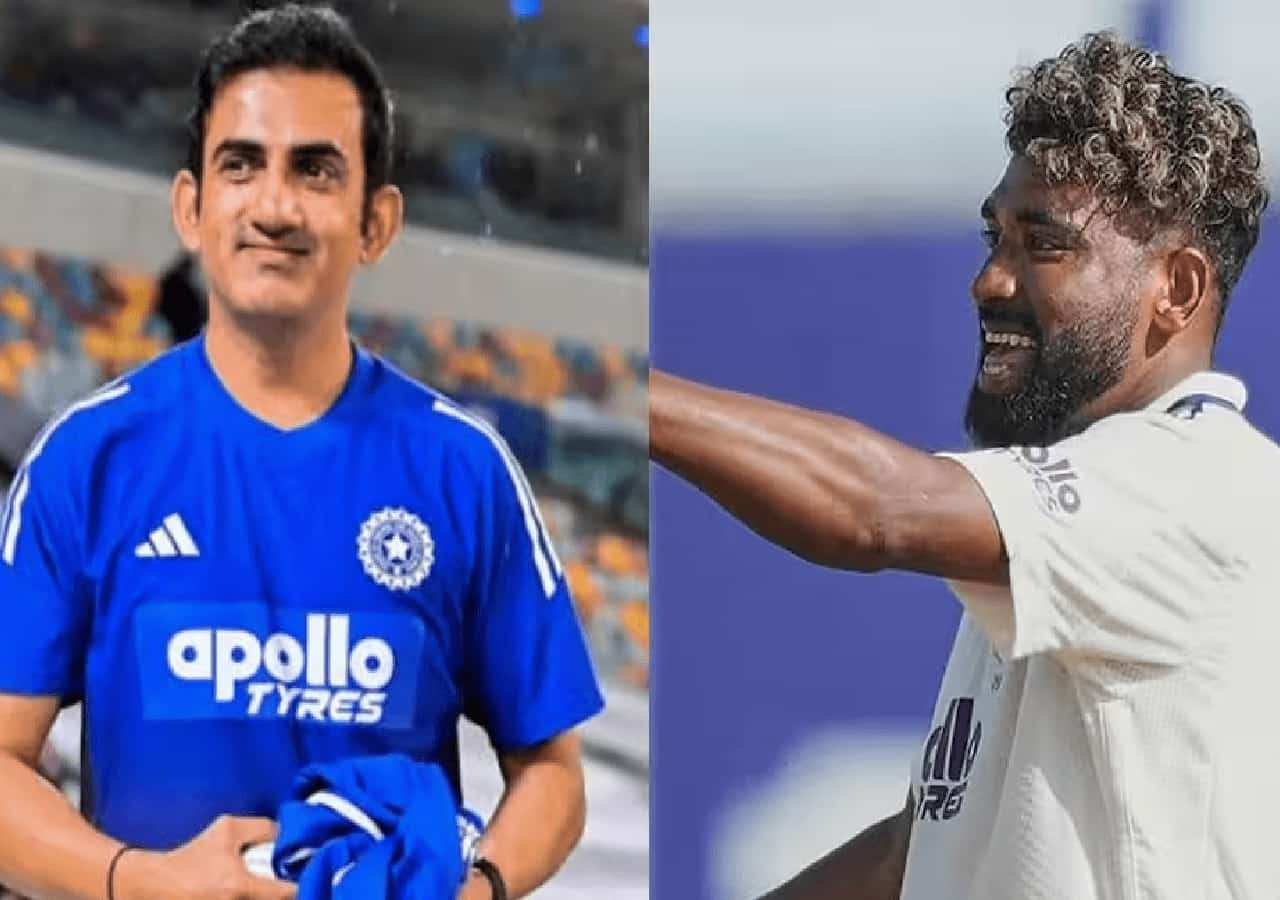
Indian cricket fans and former players are sharply divided over team selection after veteran fast bowler Mohammed Siraj was passed over yet again during the second Test against New Zealand at Hagley Oval, Christchurch, even when a concussion substitution opened an unexpected spot in the bowling attack. On Day 3 of the match, Akash Deep was struck twice on his helmet by sharp bouncers from Kyle Jamieson; although he initially passed on-field checks and batted on to make 29 runs, delayed concussion symptoms subsequently ruled him out of the remainder of the Test, prompting the BCCI to confirm Prasidh Krishna as his official concussion substitute. Having featured in only one ODI on the New Zealand tour and been left out of the starting XI for both the Wellington and Christchurch Tests, Siraj's repeated omission triggered heated speculation among angry supporters online about his equation with head coach Gautam Gambhir and Test captain Shubman Gill, alongside contrasting takes from Sunil Gavaskar and Ravichandran Ashwin. Across Uttar Pradesh—especially in state capital Lucknow and neighboring cricket-passionate hubs such as Unnao, Kanpur, Prayagraj, and Varanasi, where every Test selection call and dressing-room rumor draws intense scrutiny—the decision has dominated cricket conversations.
Key Facts Behind the Christchurch Concussion Substitute Decision
| Match & Selection Element | Confirmed Details & Context |
| Incident on Day 3 | Akash Deep took two helmet blows from Kyle Jamieson while batting at Hagley Oval, scored 29 runs, and later developed concussion symptoms ruling him out of the rest of the match |
| Concussion Replacement Named | The BCCI confirmed tall pacer Prasidh Krishna—who had featured in the first Test at Wellington—as Akash Deep's concussion substitute |
| Mohammed Siraj's Tour Workload | Played one ODI during the New Zealand tour and sat out both the first and second Tests, leaving him without a Test appearance on the tour |
| Contrasting Expert Views | Sunil Gavaskar suggested India missed a trick by not picking Siraj's fresh legs for the second innings, while Ravichandran Ashwin backed choosing Prasidh as someone already rhythm-tested in the series |
Why Fans Questioned Gautam Gambhir and Shubman Gill on Social Media
For supporters frustrated by Mohammed Siraj's prolonged spell on the sidelines, watching Prasidh Krishna get the nod ahead of him felt like the tipping point of an entire tour. Across social media platforms, angry fans demanded to know what Siraj had done wrong to be overlooked repeatedly despite his overseas experience, while some users went further by speculating—without official confirmation—about possible friction between Gautam Gambhir, Shubman Gill, and Mohammed Siraj. A few critics even drew sharp historical comparisons to former India coach Greg Chappell, accusing the current team leadership of letting personal preferences or stubborn selection calls sideline senior performers.
Sunil Gavaskar vs. Ravichandran Ashwin: Two Views on the Tactical Call
Beyond online fan outrage, former Indian greats offered markedly different cricketing perspectives on the concussion-substitute call. Speaking on the broadcast, Sunil Gavaskar argued that Mohammed Siraj should have been brought in, noting that sitting out the first Test meant Siraj had fresh legs capable of giving New Zealand's batters a difficult challenge in the second innings. Conversely, Ravichandran Ashwin supported picking Prasidh Krishna, reasoning on X that when a concussion replacement is needed mid-match, bringing in a bowler who has already played in the series and adjusted to local conditions can be safer than throwing a cold bowler straight into pressure overs—while also noting compassionately that Siraj has conducted himself like a committed team man and deserves clear communication from the dressing room. For now, neither the team management nor the players have suggested any personal rift, leaving performance, rhythm, and tactical preference at the center of one of the tour's biggest talking points.






