Why Lord Ganesha is Worshipped First, Significance of Modak, Durva, and Visarjan Rituals
_340813035.jpg)
Ganesh Chaturthi stands as one of the most vibrant and spiritually significant festivals in India, marking the joyous arrival and installation of Lord Ganesha in homes and grand public pandals. Celebrated across the nation with immense devotion, prayers, and hymns, the ten-day festival honors the deity of wisdom, intellect, and prosperity. According to Vedic tradition, the festivities culminate on Anant Chaturdashi with the ceremonial immersion (Visarjan) of Bappa's idol. Beyond the vibrant celebrations and rich culinary offerings like modaks, the festival carries deep philosophical meanings, inspiring devotees to embrace righteousness, attentive listening, and intellectual clarity in their daily lives.
Why is Lord Ganesha Worshipped First? The Mythological Story
In Sanatan Dharma, Lord Ganesha holds the prestigious title of Prathama Pujya—the first deity to be worshipped before initiating any auspicious undertaking, ritual, or venture. A famous mythological narrative explains how Ganesha earned this supreme boon. Once, a friendly dispute arose between Lord Shiva and Goddess Parvati's sons, Ganesha and Kartikeya, regarding who among them was superior. To resolve the matter, Lord Shiva proposed a celestial race: whoever circumambulated the entire universe first would be declared the victor. While Kartikeya embarked on a physical journey around the cosmos riding his mount, young Ganesha wisely walked around his divine parents, Lord Shiva and Goddess Parvati, three times, declaring that his parents constituted his entire world and universe. Impressed by his profound wisdom and devotion, Lord Shiva blessed Ganesha with the eternal boon that he would always be venerated first in all prayers and rituals.
Significance of Modak, Durva Grass, and Sthapana Rituals
The worship of Lord Ganesha is incomplete without certain mandatory traditional elements that carry profound symbolic value:
Modak: Regarded as Bappa's absolute favorite sweet, the modak symbolizes the sweetness of spiritual realization, knowledge, and inner joy. Offering modaks expresses a devotee's prayer for the fulfillment of righteous wishes.
Durva Grass: Fresh blades of green durva grass hold immense ritualistic importance in Ganesha worship. Offering durva represents purity, longevity, and steady spiritual growth.
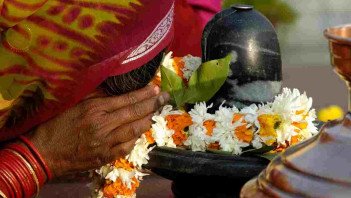
Sthapana Protocol: When installing the idol at home, families ensure the worship area is thoroughly purified. The ritual includes setting up a sacred Kalash, offering red flowers, durva, fresh fruits, and modaks, followed by a devoted Aarti in an environment of absolute cleanliness and faith.
The Spiritual Meaning Behind Ganpati Visarjan and Bappa's Form
The festival concludes with Ganpati Visarjan, where idols are respectfully bid farewell after a tenure ranging from one and a half days to ten days. Immersing the idol on Anant Chaturdashi symbolizes the return of Lord Ganesha to his heavenly abode while taking away all accumulated negativity, obstacles, and hardships from the devotee's household, with prayers for his swift return the following year. Furthermore, every physical attribute of Lord Ganesha conveys a powerful life lesson: his large head symbolizes deep and broad thinking, his expansive ears denote attentive listening, and his sharp, focused eyes represent absolute concentration.
_1102016869_351x234.jpg)
_1831027713_351x234.jpg)
_1270273873_351x234.jpg)
_326029472_351x234.jpg)