


Kajari Teej 2026: Include These 5 Essential Suhaag Items in Your Puja Thali for Unbroken Marital Bliss
_1590067937.jpg)
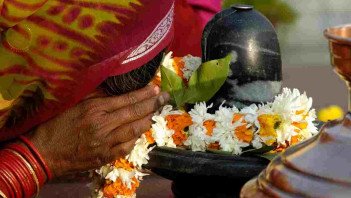
The sacred festival of Kajari Teej holds immense significance for married women and unmarried girls, who observe a dedicated fast praying for their husbands' longevity, prosperity, and unbroken good fortune. Observed on the third day of the Krishna Paksha in the Bhadrapada month—falling this year on August 31, 2026—this auspicious occasion centers around the fervent worship of Lord Shiva and Goddess Parvati. To ensure the fast yields complete divine grace and fosters lifelong harmony, traditional rituals emphasize offering the Solah Shringar (sixteen adornments) to the Goddess. If obtaining a full set is difficult, including five essential Suhaag items in your puja thali is considered exceptionally auspicious for a blissful married life.
The Five Indispensable Suhaag Items for Your Kajari Teej Puja Thali
When preparing your worship tray for Goddess Parvati on Kajari Teej, make sure to incorporate these five sacred symbols of marital bliss:
Sindoor (Vermilion): Universally recognized in Hinduism as the ultimate symbol of a husband's long life and marital purity, offering and applying sindoor invokes the direct blessings of Goddess Parvati.
Red or Green Bangles: Traditional green and red bangles represent nature's prosperity and auspicious marital fortune, making them a mandatory addition to the puja thali.
Mehndi (Henna): Symbolizing positive energy and deep romantic love, fresh mehndi should be offered to the deity during prayers and later applied to your hands as blessed prasad.
Red Bindi: As one of the core elements of traditional adornment, placing a red bindi in the offerings invites prosperity and positive energy into the household.
Red Chunari: Offering a vibrant red scarf or chunari to Goddess Parvati with utmost devotion is believed to secure divine protection and lasting peace within the family.
Significance and Observance of Kajari Teej
Observing the Kajari Teej fast requires complete dedication, purity of mind, and adherence to traditional customs. Devotees wake up early, cleanse their homes, set up a decorated altar for Lord Shiva and Goddess Parvati, and perform evening prayers accompanied by traditional folk songs and storytelling. By ensuring that all ritual offerings are made with a pure heart, women seek the eternal blessings of Akhand Saubhagya, strengthening marital bonds and inviting divine joy into their lives.

_1203196785_351x234.jpg)
_629795510_351x234.jpg)
_482836686_351x234.jpg)
_2003160575_351x234.jpg)