

India Enters 88-day Festive Season: What the longest festival calendar in 3 years means for consumer spending
India has entered an 88-day festive season in 2026, creating a longer window for consumer spending across retail, food, apparel, jewellery, electronics and gifting. The festive calendar began with the start of the 10-day Onam celebrations on August 16 and will include several major festivals in the weeks ahead.
According to Zee Business research, the festive season spans 88 days in 2026. This is the same duration recorded in 2023, while the festive periods lasted 60 days in 2024 and 58 days in 2025.
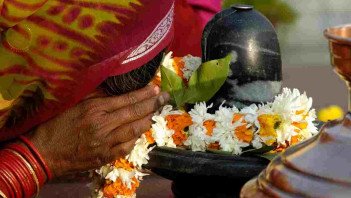
2026 festive season begins with Onam
The 10-day Onam celebrations began on August 16, with Thiruvonam, the main day of the festival, falling on August 26.
The festive calendar will then move through several major occasions, including Raksha Bandhan, Ganesh Chaturthi, Navratri, Dussehra and Diwali. The extended calendar gives consumers and retailers multiple occasions for purchases across different categories.
The 88-day period also marks a return to the longer festive calendar seen in 2023 after two consecutive years of shorter festive periods.
Diwali 2025 recorded Rs 6.05 lakh crore in sales
Diwali remained one of the biggest consumption periods in 2025. According to Zee Business research, retail spending during Diwali was estimated at around Rs 6.05 lakh crore.
The figure is for Diwali and should not be treated as total spending across the entire 2025 festive season.
Other major festivals also contributed to retail consumption in 2025. Zee Business research estimated spending at around Rs 20,000-25,000 crore during Onam, Rs 30,000 crore during Raksha Bandhan and Rs 45,000 crore during Ganesh Chaturthi. Spending during Navratri and Dussehra together was estimated at around Rs 1-1.5 lakh crore.
These figures indicate the scale of consumer activity around major festivals, although spending can vary from year to year depending on demand, prices, income levels and festive offers.
Food, apparel lead consumer spending
Festive spending is spread across several categories rather than being limited to traditional festival purchases.
According to the Zee Business research, food and grocery accounted for the largest share of consumer spending at 13%. Apparel followed at 12%, while jewellery accounted for 9%.
Electronics and gift items each represented 8% of spending. Sweets and dry fruits accounted for 4%, while home décor made up 3%.
The spending pattern highlights the broad impact of the festive season on India's consumer economy. From clothing and jewellery to electronics, food and gifts, several retail categories typically see increased activity during this period.
What does an 88-day festive season mean for consumers?
A longer festive calendar gives consumers more occasions to make purchases and take advantage of festival-specific promotions. Households may also spread their purchases across different festivals instead of concentrating spending around a single occasion.
For retailers, the extended period provides more opportunities to run campaigns and attract shoppers across categories such as apparel, jewellery, electronics, food and gifting.
However, a longer festive season does not automatically mean higher consumer spending. Actual demand will depend on factors such as household income, inflation, product prices, consumer sentiment and discounts offered by retailers.