


Why Old Houses In Rajasthan And Gujarat Built Raised Verandas Outside Main Doors Unveiled
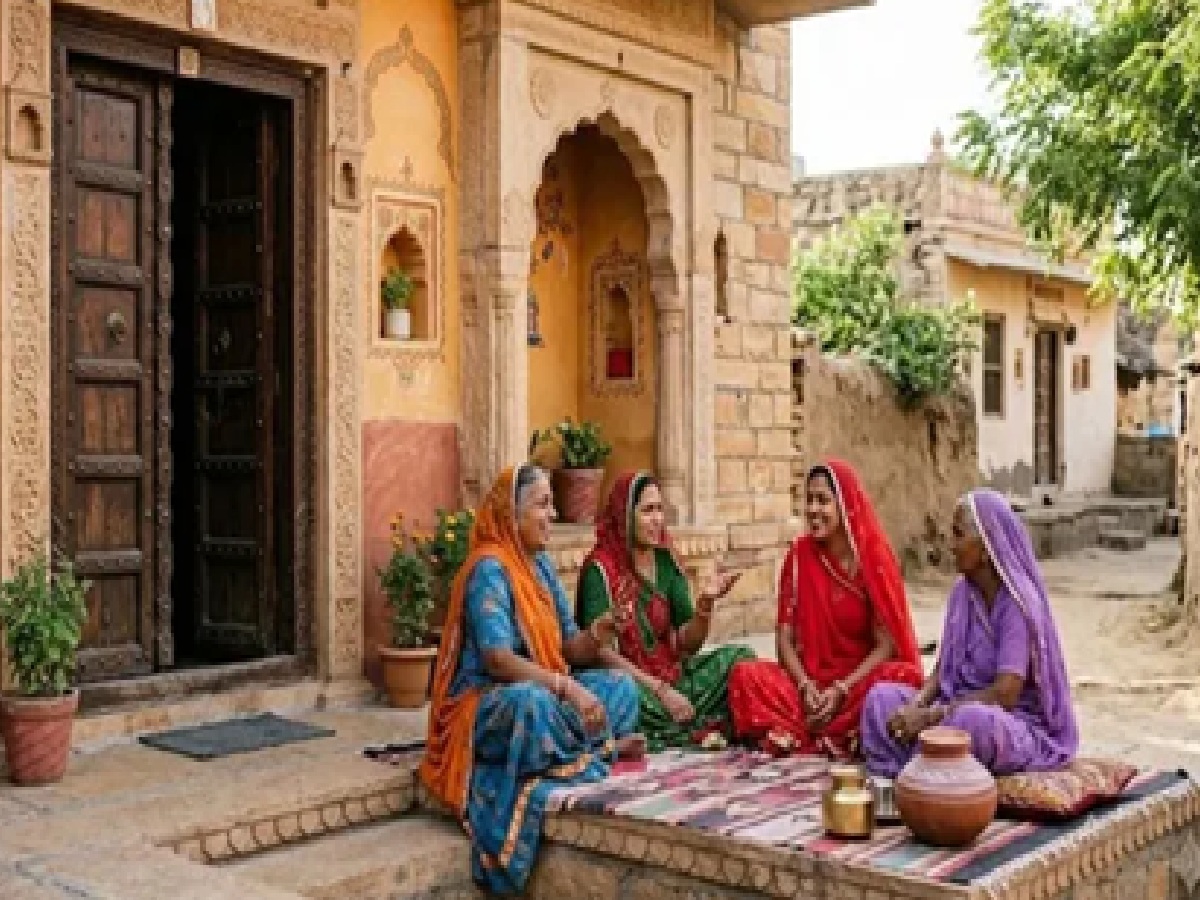
Stepping back a few decades into the rural and semi-urban landscapes of Gujarat and Rajasthan reveals a striking architectural commonality: a beautifully constructed, slightly elevated platform located right outside the primary entrance. Known traditionally as the 'Otala' or 'Otta,' these structure-connected verandas have largely vanished from contemporary blueprints. However, in historical Indian architecture, they were viewed as an indispensable component of residential planning. Far from being a random design element, the inclusion of this raised space served deep-rooted sociological, meteorological, and commercial functions tailored specifically to the lifestyle of the western subcontinent.
A Vibrant Pre-Digital Social Hub: Fostering Community Bonds and Welcoming Unscheduled Guests
Long before the advent of smartphones, high-speed internet, and instant messaging applications, community bonding relied entirely on physical presence and spontaneous daily interactions. The Otala served as the ultimate neighborhood lounge. If a friend or acquaintance happened to be walking down the street, they could comfortably sit on this outer ledge to chat without requiring formal entry into the private rooms of the house. During quiet summer evenings, community elders and local families would gather on these platforms to debate global affairs, exchange local news, and share stories. Furthermore, cultural hospitality dictated that unexpected travelers or passing guests were instantly served refreshing water and hot tea on the Otala, maintaining an ideal balance between warm hospitality and domestic privacy.
Natural Climate Engineering: Blocking Desert Sandstorms And Shielding Interiors From Heavy Monsoons
The geographical topography of Rajasthan and Gujarat is characterized by high temperatures, arid plains, and sudden, intense dust storms. The structural elevation of the Otala was a brilliant vernacular engineering response to these harsh environmental conditions. By creating a multi-tiered entry point, the elevated platform acted as a physical barrier that successfully caught wind-driven sand and heavy dust before it could breach the main doorway. In addition to functioning as an effective sand-trap, the raised platform proved exceptionally valuable during the erratic monsoon season, preventing accumulating rainwater from flooding the lower thresholds of the home.
The Epicenter Of Daily Commerce: Balancing Domestic Privacy With Street-Side Shopping Options
The outer veranda was also highly functional for managing the everyday economy of a traditional Indian household. In ancient times, local milkmen, wandering vegetable vendors, knife-sharpeners, and textile artisans routinely walked through residential lanes to retail their goods. Homemakers utilized the Otala as a comfortable, elevated marketplace, allowing them to inspect products, negotiate fair prices, and conduct business transactions directly from their doorsteps. This clever spatial arrangement kept traveling vendors out of the secure inner courtyard while allowing women to shop conveniently. Additionally, during intense afternoon heatwaves, the shade of the veranda provided a safe, visible micro-environment where children could gather to play traditional games under the watchful eyes of family members inside.



_490860253_351x234.jpg)
_1006850037_351x234.jpg)
_2127249542_351x234.jpg)
_762722324_351x234.jpg)