Rajasthan Voter List Discrepancy: 11 Lakh Voter Gap Sparks Debate
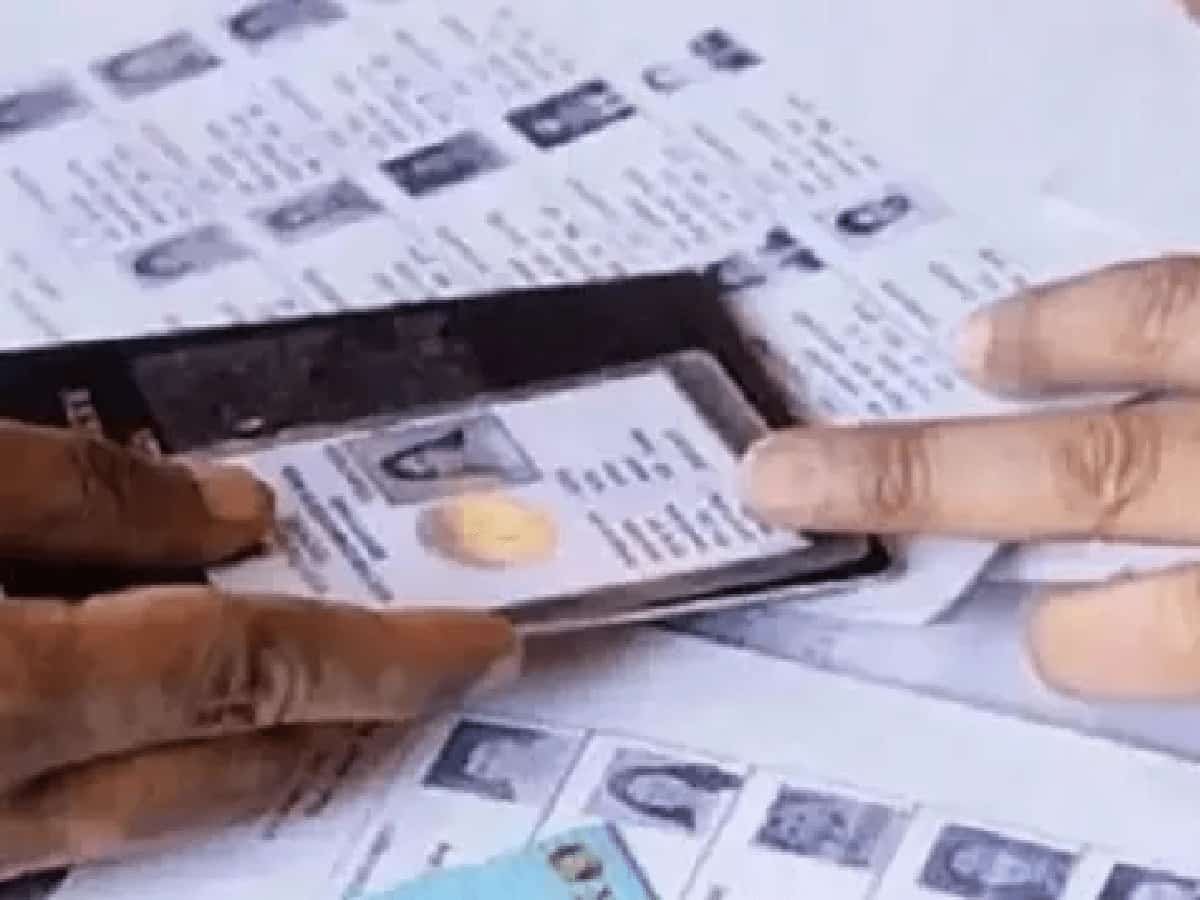
Electoral data management in India has once again stepped into the spotlight following the publication of Rajasthan’s latest draft voter list. Released under the Special Summary Revision (SSR) 2027 framework, the newly published draft roll records a massive 5.26 crore (52.6 million) voters across the desert state. However, rather than offering clarity, the release has triggered widespread discussion among political analysts and citizens due to stark statistical discrepancies when compared against preceding electoral counts released earlier in the year.
The newly published SSR draft lists approximately 11.1 lakh (1.1 million) more voters than the final Special Intensive Revision (SIR) list published in February, which stood at 51.5 million. Yet, in a contrasting twist, this draft figure remains nearly 18 lakh (1.8 million) lower than the State Election Commission’s (SEC) final local body voter roll published in early October, which pegged the state’s electorate at an impressive 54.5 million. With three divergent figures circulating within a single calendar year across Jaipur, Jodhpur, Udaipur, Kota, and rural constituencies statewide, experts are examining why official administrative datasets display such wide variances.
Breaking Down the Numbers: Gender Demographics and the SSR Timeline
Releasing the preliminary data to recognized political parties and uploading the database to the Chief Electoral Officer’s official portal, Rajasthan Chief Electoral Officer Naveen Mahajan outlined the gender breakdown embedded within the 5.26-million draft count. The newly revised roll accounts for:
Male Voters: 2,75,24,780
Female Voters: 2,51,42,052
Transgender Voters: 584
The qualifying benchmark date for this ongoing revision cycle is January 1, 2027. In accordance with Election Commission of India (ECI) guidelines, the formal window for filing claims, objections, name additions, deletions, and demographic corrections opened on November 12 and will run through December 11, 2026. Following rigorous field verification and adjudication of claims, the final, legally binding electoral roll is scheduled for official publication on January 4, 2027.
Understanding the Methodology: Why SIR and SSR Yield Different Counts
To comprehend how administrative counts fluctuate so dramatically, political scientists and election watchers point to the fundamental methodological differences between SIR (Special Intensive Revision) and SSR (Special Summary Revision) frameworks:
The Intensive Nature of SIR: An SIR exercise involves exhaustive, door-to-door enumeration by Booth Level Officers (BLOs). Every existing household is visited, and voters are required to fill out pre-verified forms and submit documentary proof of residence to retain their active status on the roll. This rigorous filtering often prunes inactive, migrated, or deceased voters aggressively, leading to a leaner final count.
The Procedural Nature of SSR: Conversely, an SSR exercise builds upon the immediately preceding final published roll. Existing names roll over automatically without forcing every citizen to undergo active re-verification. The process focuses primarily on incremental updates—incorporating newly eligible young voters turning 18, removing deceased entries, and updating address corrections submitted via Form 6, 7, and 8.
Navigating the 1.8-Million Gap With State Election Commission Data
The presence of three distinct active voter totals—51.5 million (February SIR), 54.5 million (October SEC local roll), and now 52.6 million (SSR draft)—highlights systemic divergence between parliamentary/assembly rolls maintained under ECI oversight and municipal/panchayat rolls maintained under the State Election Commission. While municipal rolls often utilize broader local mapping parameters and distinct updating schedules, civil society organizations emphasize the need for unified digital databases to eliminate public confusion.
As the one-month claims and objections window proceeds toward its December 11 deadline, the Chief Electoral Officer’s office has urged all eligible citizens, political party booth agents, and first-time voters across Rajasthan to inspect the draft rolls online or at designated polling stations. Citizens seeking to verify their names, rectify typographical errors, or register fresh applications can utilize offline forms or digital voter portals before the final rolls are sealed in January 2027.