
 Priyanka Tiwari
 Share
Share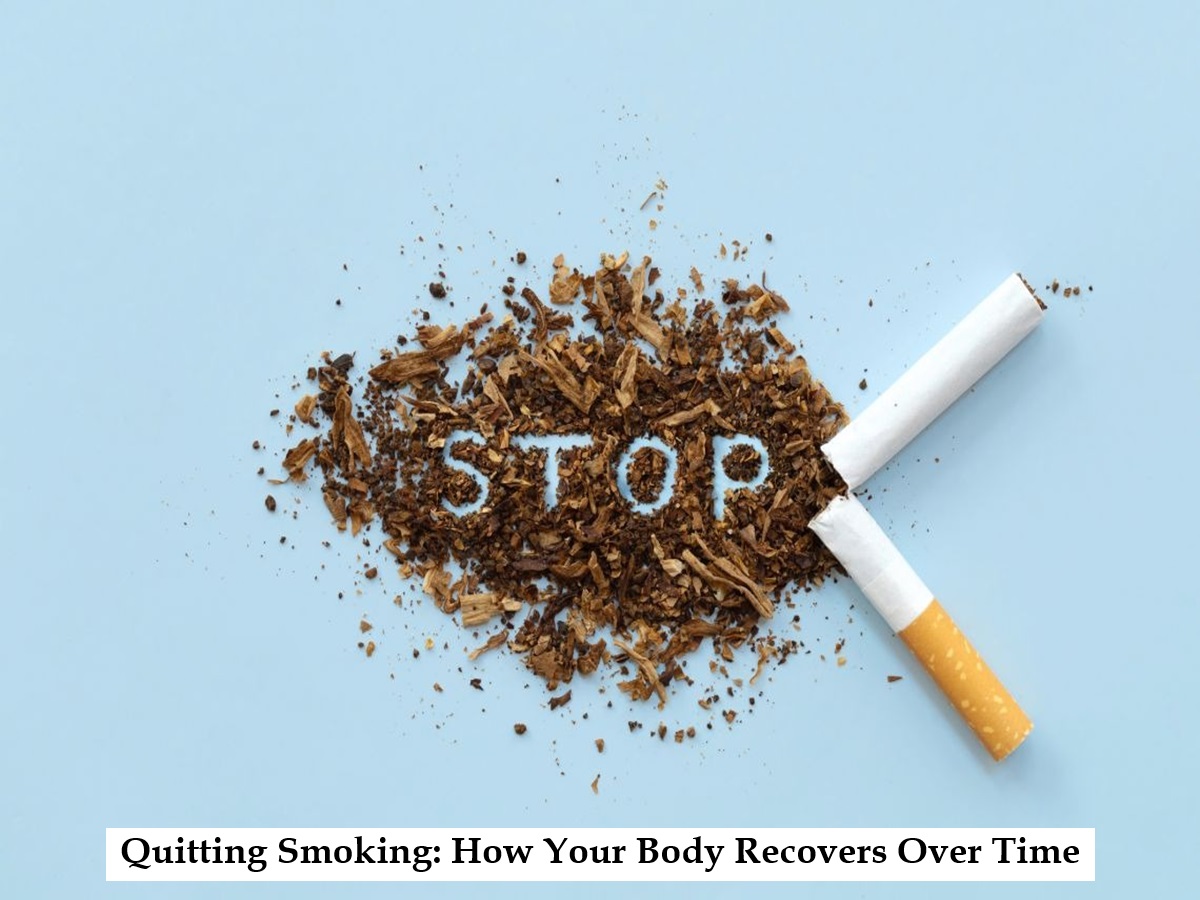
Suspense crime, Digital Desk : Despite public health efforts, the use of tobacco products continues to be one of the primary causes of preventable mortality. According to the CDC, the use of tobacco products claim the lives of about six million people annually. The main addictive ingredient, nicotine, increases the levels of adrenaline and dopamine, leading to a short-lived “high” which makes the user dependent physically and psychologically.
On World No Tobacco Day, there is a timely call to reflect on the reasons to quit. Your body starts healing in as little as twenty minutes after quitting and remarkably restores itself over a period of 15 years after quitting.
What Happens to Your Body When You Quit Smoking?
After 20 Minutes:
-Circulation improves
-Blood Pressure and heart rate normalize
After 8-12 hours:
-Carbon monoxide levels in blood significantly decrease
-Oxygen levels increase which enhances the functioning of the organ
After 48 hours:
- Smell and taste greatly improves
- Damaged nerve endings start healing
1 to 9 months later:
- The lungs undergo self-cleaning improving lung functions
- Reduction in coughing and breathing difficulties
- Decline in risks of respiratory infections such as TB and pneumonia
_After one year:_
- Risk of heart attacks reduces to half compared to those who still smoke
- Improvement in the circulatory system continues
Fifth Year Milestones
Chances of having a stroke starts to become nearly equal to a non-smoker.
Restoration of normal blood vessel function and a reduction of arterial plaque begins.
Tenth Year Mark
Lung cancer risk is significantly lower.
Lung cancer is almost at the risk level of a non-smoker.
Risk of other types of cancers such oral, throat, pancreas decreases as well.
Fifteenth Year Mark
Body is completely free of nicotine.
Risk of heart disease is now equal to a non-smoker.
Overall health is similar to a tobacco user, in other words, a smoker.
The Approach of Smoking and Overall Body Health
The consequences of smoking go far beyond the lungs. Longtime smokers can have negative effects on:
Lung: Higher possibility of damaging lung tissues, suffer from COPD, TB, pneumonia, and lung cancer.
Eyes: Vision deterioration due to lack of oxygen.
Blood and Heart: Strain and wear on blood vessels and heart can lead to: heart attaks, strokes, and crippled arteries.
Immune System: Becoming vulnerable to infection. Decrease in immunity.
Skin and Hair: Aging and hair fal is less resistant to when one smokes.
A smokers dies from lung cancer twenty times more than non smokers.
Why Quitting is Worth the Challenge
Although overcoming nicotine addiction is difficult, the positive impacts on your health begin right away. The sooner you quit, the more your body is able to heal. Community resources, professional therapy, and counseling can all make the transition smoother too.
Read More: Beyond the Drumstick The Secret Health Benefits of Moringa You Probably Didn't Know