









Punjab Seeks Refrigerated Coaches on Vande Bharat & Shatabdi Trains
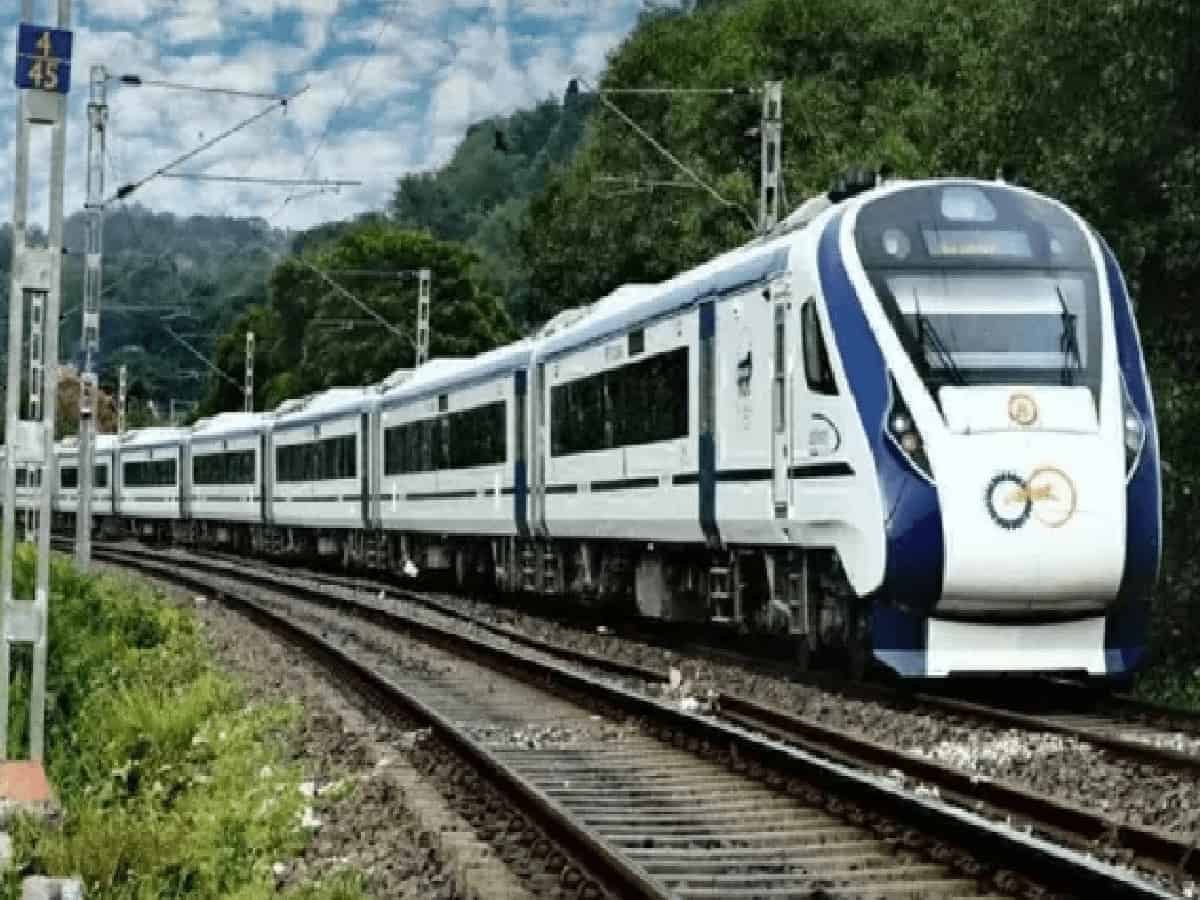
In a bid to connect Punjab's agricultural heartland and dairy cooperatives directly with consumer markets across India, the Punjab government has formally urged Indian Railways to introduce refrigerated wagons and parcel coaches on high-speed passenger trains such as the Vande Bharat Express and Shatabdi Express. Put forward during Trade Meet 2026 in Chandigarh on Saturday, November 21, 2026, the proposal aims to slash transit times for perishable farm and dairy goods—including fresh milk, seasonal vegetables, fruits, and value-added dairy items—so they arrive crisp and unspoiled in distant states. For consumers and wholesale traders across northern India—including major consumption hubs in Uttar Pradesh such as Lucknow, Kanpur, and Unnao—faster cold-chain rail links could widen access to fresh northern produce while helping farmers capture stronger prices beyond local mandis.
Raising the demand during the joint logistics conference, Ajit Balaji Joshi, Secretary of the Punjab Taxation and Cooperation Department, emphasized that while Punjab possesses immense agricultural and dairy production capacity, moving perishable goods reliably to far-flung domestic markets remains a major logistical hurdle. Attaching temperature-controlled wagons to fast, punctuality-driven trains like Vande Bharat and Shatabdi would allow producers to bypass slow road transit and reach distant cities within hours rather than days.
Boosting Nationwide Supply of Verka Dairy Specialties and Punjab Potatoes
Highlighting real-world bottlenecks faced by cooperatives and growers, Joshi pointed specifically to Verka, Punjab's flagship state dairy cooperative. According to the senior official, Verka's ready-to-eat products and traditional dairy delicacies—such as kheer and rabri—enjoy strong demand across states, yet delays in conventional transit frequently restrict how far those short-shelf-life items can be distributed. Dedicated refrigerated rail coaches would protect cold-chain integrity from dispatch to destination, opening metropolitan and regional retail markets nationwide.
Alongside dairy, Joshi called on the Railways to arrange specialized freight wagons for potato growers across Punjab's Doaba and Malwa belts so farmers can dispatch harvests smoothly to deficit states across India. He also suggested that Indian Railways and the Punjab government collaborate to tap the central government's Agriculture Infrastructure Fund (AIF) under the Ministry of Agriculture to build joint cold-storage and rail-linked farm logistics projects benefiting both Punjab and Haryana.
Strengthening Two-Way Rail Freight Between Gujarat, Punjab, and Haryana
Trade Meet 2026 was jointly organized in Chandigarh by the Ahmedabad, Ambala, and Firozpur railway divisions in collaboration with the Central Warehousing Corporation (CWC)—with CWC Chairman Ravindra Kumar Agrawal, Ambala Divisional Railway Manager Vinod Bhatia, Ahmedabad DRM Ved Prakash, and Senior Divisional Commercial Manager Anu Tyagi among the key officials participating alongside industry representatives. The forum focused on accelerating rail-based freight movement and lowering logistics costs along the Gujarat–Punjab–Haryana trade corridor.
Addressing industrial logistics as well, Joshi noted that enabling direct rail movement of steel scrap from western seaports to manufacturing clusters in Mandi Gobindgarh and Ludhiana would not only cut transport expenses for furnace and engineering units, but also curb tax evasion along transit routes.
Ending Empty Return Runs: Railways' Bidirectional Freight Push
Speaking from the Railways' perspective, Ahmedabad Division DRM Ved Prakash stressed that bidirectional freight loading is essential to making rail transport more economical and competitive. Rather than freight rakes returning empty after delivering goods, he outlined a balanced two-way exchange: while rice, potatoes, food grains, and export containers move southward from Punjab and Haryana toward Gujarat's ports, returning trains can carry timber, salt, fertilizers, industrial raw materials, and imported containers back into North India.
Reducing empty rake movement improves wagon turnaround, lowers per-tonne freight rates, and supports cleaner, lower-emission supply chains. If Indian Railways acts on Punjab's cold-chain proposal alongside two-way freight optimization, farmers, dairy cooperatives like Verka, and industrial exporters stand to gain faster, more dependable access to markets across the country.