


JPC Postpones Meetings On Controversial Anti-Corruption & Higher Education Bills, Is The Modi Government Avoiding Conflict
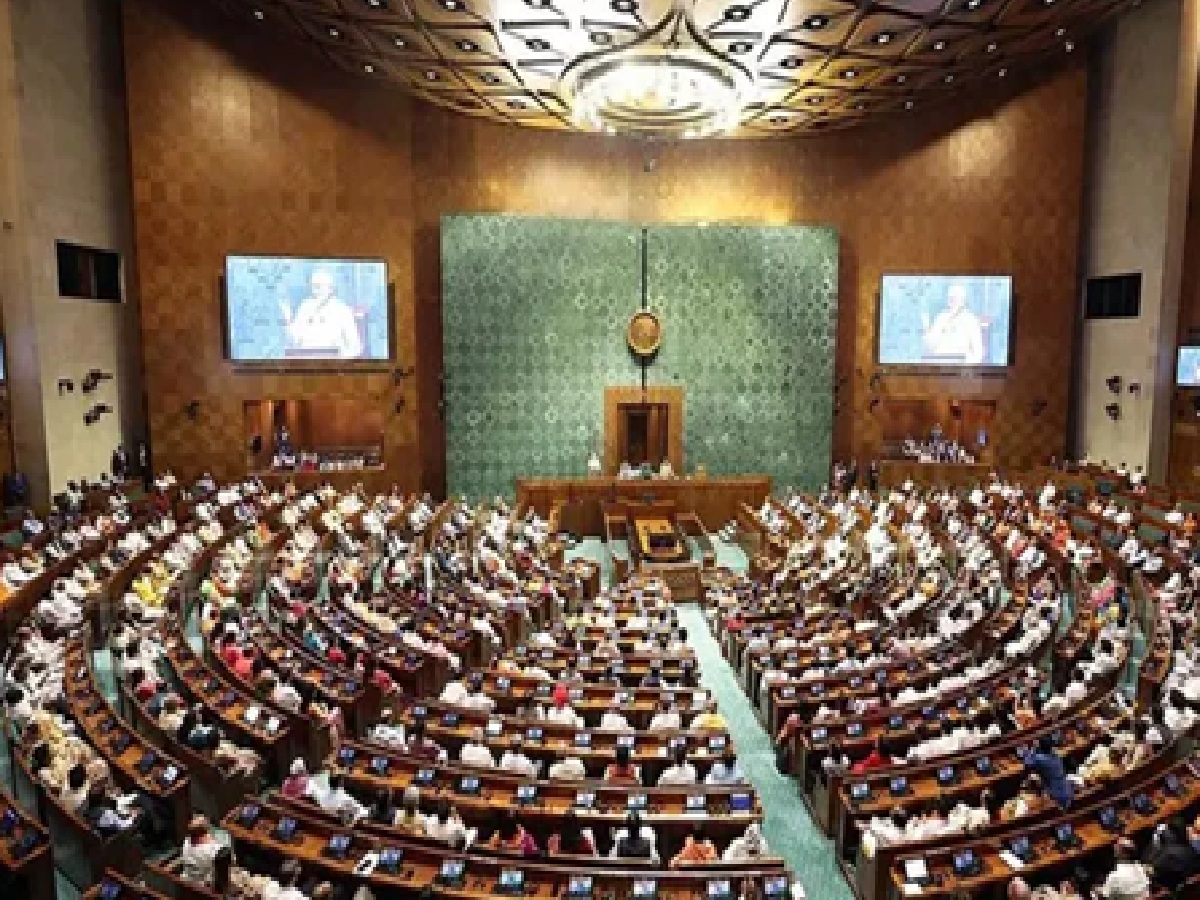
In a major political development just days before the commencement of the high-stakes Monsoon Session of Parliament, the meetings of two critical Joint Parliamentary Committees (JPCs) handling highly controversial government bills have been abruptly delayed. Coming as a significant surprise to political circles, the sudden postponement of the JPC reports has fueled intense speculation in the national capital. Analysts believe this could be a calculated strategic move by the central government to temporarily put confrontational legislative issues on the backburner, ensuring a smoother parliamentary session.
Double Blow To Legislative Timeline: Both Key Panels Halt Proceedings Abruptly
The legislative delay unfolded in rapid succession over the weekend. Just a day after the JPC reviewing the high-stakes Anti-Corruption Bill deferred its report-approval process, the JPC examining the 'Developed India Education Foundation Bill'—a crucial reform bill aimed at higher education—cancelled its scheduled Monday meeting. This double postponement has effectively stalled two of the most hotly debated legislative reforms on the government's immediate agenda, forcing opposition leaders to question the sudden change in the parliamentary timeline.
Higher Education Overhaul Paused: BJP MP Daggubati Purandeswari’s Committee Defers Report
The JPC tasked with evaluating the higher education bill is headed by senior BJP MP Daggubati Purandeswari. According to reliable parliamentary sources, the panel was strictly scheduled to approve its comprehensive draft report on Monday, but the meeting was called off at the eleventh hour, with no immediate subsequent date being announced. The committee has been rigorously examining the central government's ambitious proposal to dissolve multiple existing higher education regulatory bodies across the country and replace them with a single, centralized umbrella organization. This move has drawn immense scrutiny from academic experts and non-NDA state governments who view it as a challenge to federal educational autonomy.
Dramatic Halt Mid-Way: Aparajita Sarangi's JPC Stops Anti-Corruption Bill Review
Equally dramatic was the freezing of proceedings in the JPC examining the landmark Constitutional Amendment Bill related to anti-corruption, chaired by BJP MP Aparajita Sarangi. The panel is currently reviewing a stringent draft law that mandates the automatic removal of a sitting Prime Minister, Chief Minister, or Cabinet Minister from office if they remain arrested for over 30 days on serious criminal charges. In a shocking turn of events, the high-level meeting was abruptly halted midway by the chairperson, even though committee members had already successfully passed two out of the five core recommendations via a majority vote. Reports suggest that members of both parliamentary panels were handed the dense draft reports just days before these crucial final meetings, leading to internal friction.
Strategy Shift Unfolded: Government Targets Consensus On Delimitation And Seat Expansion
Political insiders suggest that the sudden freeze on these contentious bills is tied to a larger, macro-political strategy adopted by the Modi government. Currently, the ruling coalition is heavily focused on building a broader consensus with key opposition parties, including the DMK and the Sharad Pawar-led NCP (SP). The government seeks their critical support for its major upcoming political initiatives, specifically the sensitive process of national delimitation and the proposed expansion of Lok Sabha and state assembly seats. Given that non-NDA parties have vehemently opposed both the anti-corruption and higher education regulations, avoiding a legislative showdown right now seems tactically intentional. Consequently, parliamentary experts now expect that neither of these bills will be introduced for voting during the ongoing Monsoon Session.
Opposition Fires Salvo: Congress Leader Jairam Ramesh Slams Government's Step-Back
Seizing the opportunity to corner the treasury benches, senior Congress leader and Rajya Sabha MP Jairam Ramesh launched a scathing attack on the administration. Taking to social media platforms, Ramesh pointed out the irony of the situation, stating that just two days prior to the start of the Parliament's Monsoon Session, two separate JPCs constituted to examine highly controversial bills have suddenly paused the final approval of their reports. He added that while one of the bills requires a sweeping constitutional amendment, the other represents a clear, text-book case of the executive branch acting completely beyond the legal scope of the Indian Constitution, forcing the government to retreat under pressure.


_1358420202_351x234.jpg)
_516018675_351x234.jpg)
_257526532_351x234.jpg)
_1336121670_351x234.jpg)