Hydrogen Train: Indigenous technology, clean energy and robust safety measures make it special
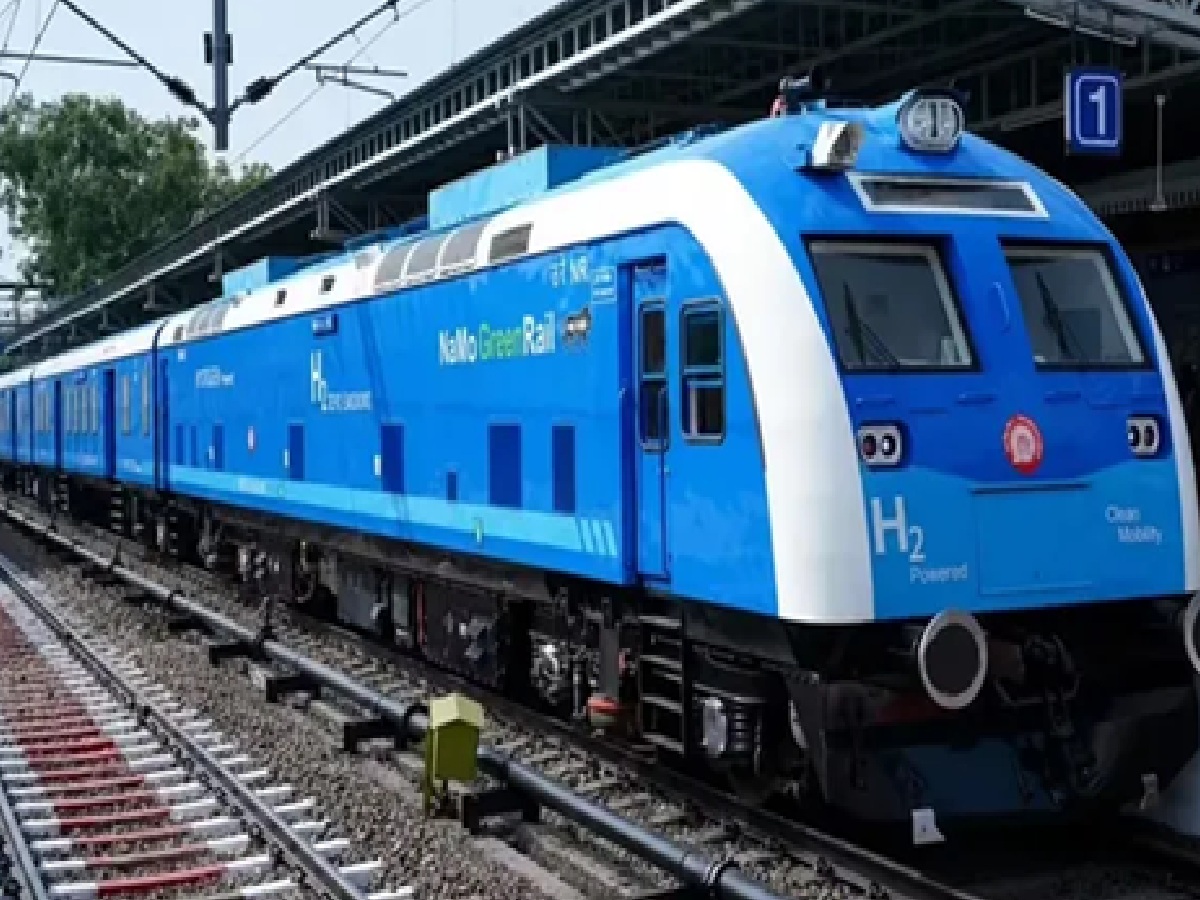
Writing a glorious new chapter in the history of sustainable mass transit, India has officially launched its first-ever hydrogen-powered passenger train. Prime Minister Narendra Modi flagged off the eco-friendly train from the Jind Railway Station in Haryana, marking its inaugural commercial run on the crucial Jind-Sonipat historic route. This landmark event places India into an elite global club of technologically advanced nations—including Germany, Japan, China, and the United States—capable of operating hydrogen-based rail networks. Designed as a major step toward achieving net-zero carbon emissions, this alternative fuel marvel highlights the nation's engineering capabilities and represents a massive victory for clean energy infrastructure.
Engineering Supreme Power: The 3,200 HP Zero Emission Propulsion Matrix
The core architecture of this modern train relies entirely on advanced clean energy dynamics, producing zero harmful environmental pollutants. Equipped with a highly powerful 3,200 horsepower (HP) propulsion system, the train is systematically engineered to reach a maximum design speed of 110 km/h, while safely operating at a steady operational speed of 75 km/h during its initial structural phase. Unlike conventional diesel engines, the sophisticated onboard fuel cells generate electricity through a continuous chemical reaction between pressurized hydrogen and atmospheric oxygen, leaving behind absolutely no toxic exhaust gas and discharging only pure steam and heat as natural by-products.
Breaking Global Records With A Massive Ten Coach High Capacity Passenger Framework
While existing international hydrogen train deployments across European and Asian sectors generally restrict their composition to smaller sets of two to four coaches, Indian Railways has broken conventional design norms by rolling out a massive 10-coach configuration. This extended spatial engineering allows the train to comfortably accommodate approximately 2,600 passengers simultaneously in a single journey, making it one of the longest and highest-capacity hydrogen-powered passenger trains operational anywhere in the world. This structural expansion provides a scalable template for future mass transit conversions across heavily congested commuter lines.
Establishing India's Largest Dedicated Hydrogen Refueling Hub In Haryana
To maintain an uninterrupted and highly reliable fuel supply chain for daily operations, authorities have constructed the country's largest specialized hydrogen storage and refueling facility directly at Jind, Haryana. The high-tech terminal is built to safely store up to 3,000 kilograms of high-purity hydrogen at a time under optimized pressure conditions. This localized fuel network serves as a major boost for the deployment of green technology, especially along historic, eco-sensitive, and mountainous terrains where traditional electrification through massive overhead cables and power poles remains physically or logistically impossible.
The Ultimate Symbol Of Self Reliant Innovation Manufactured By ICF Chennai
Embodying the core spirit of the Atmanirbhar Bharat initiative, this clean energy train was designed, conceptualized, and manufactured entirely through domestic engineering channels. The prestigious Integral Coach Factory (ICF) in Chennai, working in close collaboration with premier domestic technological organizations, spearheaded the fabrication process from the ground up. By eliminating reliance on international technology transfers, the project demonstrates India's self-reliant manufacturing capabilities, providing a cost-effective, indigenous blueprint ready to fulfill both domestic demands and future global export requirements in the green transport sector.
Triple Layer Fail Safe Security Systems To Manage High Pressure Fuel Cells
Because hydrogen is a highly volatile and flammable element, Indian Railways has integrated an uncompromising, multi-layered digital safety grid throughout the train's structural layout. The primary defense mechanism features automated high-sensitivity hydrogen leak sensors alongside independent smoke and heat detectors distributed across the coaches and the main refueling plant. If a micro-leak is detected, the automated system instantly executes a hard cut-off of the fuel lines without requiring any manual human intervention. Additionally, an optimized continuous cross-ventilation system ensures a constant airflow, ensuring that any escaped gas immediately dilutes into the atmosphere harmlessly, completely preventing dangerous containment build-ups.
The Science Of Clean Motion: How Hydrogen Power Drives The Electric Motors
The operational cycle of this eco-friendly train relies on a highly disciplined, multi-stage electrochemical process that converts stored gas into continuous kinetic movement:
High Pressure Storage: Purified hydrogen gas is initially loaded into specialized, reinforced onboard storage tanks under a high structural pressure of 350 bar.
Fuel Cell Delivery: The pressurized gas is safely routed through regulated valves from the secure storage array directly into the primary fuel cell stack.
Electrochemical Reaction: Inside the fuel cell chamber, the hydrogen molecules combine with incoming oxygen filtered from the outside air, initiating a chemical reaction.
Electricity Generation: This chemical bonding generates clean electrical energy, alongside pure water vapor which is safely discharged.
Battery Storage Optimization: A dedicated portion of the newly generated electrical current is constantly diverted into an advanced storage battery bank to provide emergency power reserves.
Motor Activation: The combined electrical output from both the primary fuel cells and the auxiliary battery banks feeds directly into the heavy-duty electric motors, driving the wheels forward smoothly.


_1358420202_351x234.jpg)
_516018675_351x234.jpg)
_257526532_351x234.jpg)
_1336121670_351x234.jpg)