










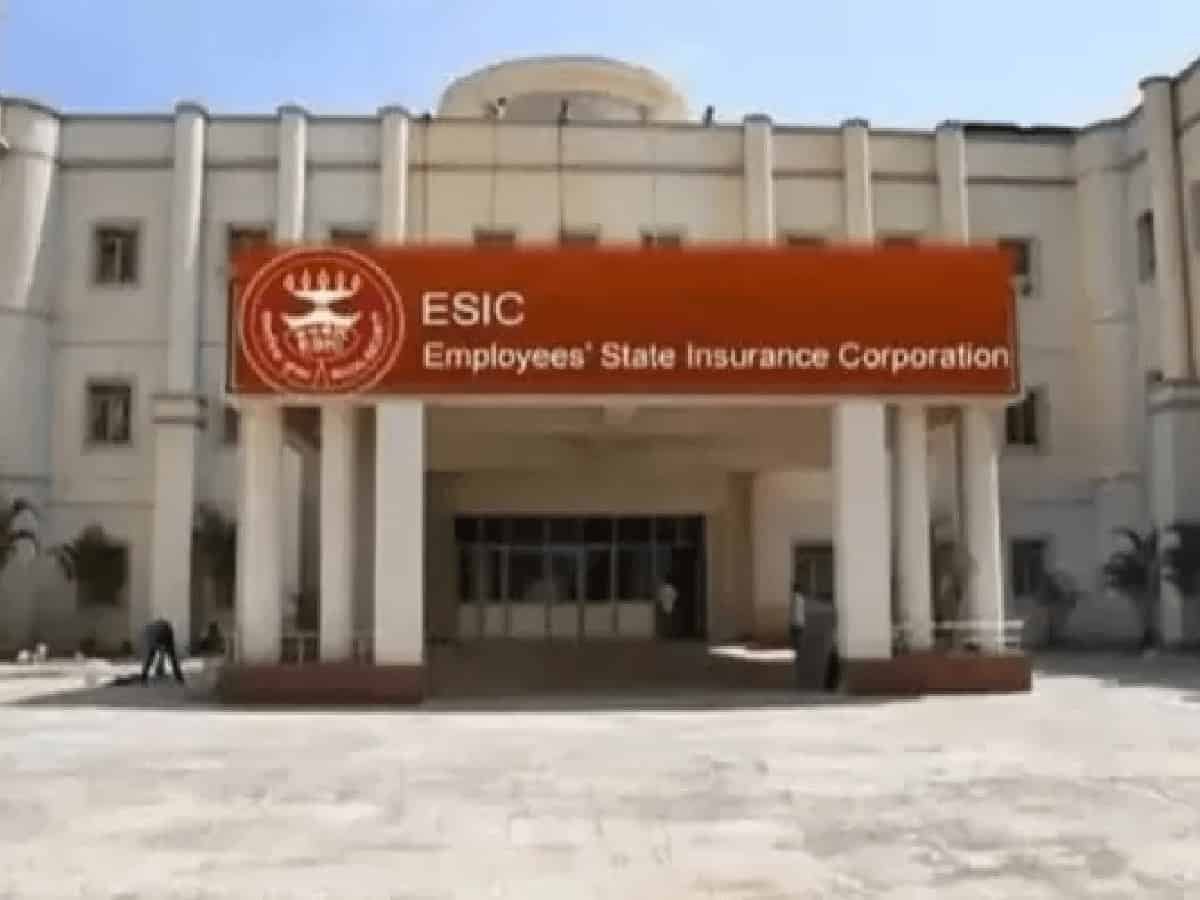
ESIC New Rules 2026: Direct Bank Transfer Without Claim Forms
Navigating office forms and chasing paperwork while recovering from an illness, preparing for childbirth, or dealing with a workplace injury has long added extra strain when income matters most. To ease that burden, the Employees' State Insurance Corporation (ESIC) has notified the Employees' State Insurance (General) Regulations, 2026, enabling eligible workers to receive cash benefits for sickness, maternity, and work-related injuries directly into their bank accounts through Direct Benefit Transfer (DBT) without needing to submit a separate claim form. Replacing the legacy 1950 regulations and operationalizing provisions of the Social Security Code, 2020, the overhaul moves administration from manual files to digital processing. For salaried and industrial workers, small-business staff, and families across northern India—including employees and households in Uttar Pradesh hubs such as Unnao, Kanpur, Lucknow, Prayagraj, and Varanasi—the shift promises faster, more transparent access to social security support.
How Automatic Settlement Works for Sickness and Maternity Claims
Under the 2026 regulations, claims for sickness and maternity benefits can be settled automatically—removing the need for a separate claim form—when three core conditions are satisfied:
-
A valid medical certificate is generated through the ESIC information system.
-
The employer has submitted the required monthly statement on the ESIC portal.
-
The worker's bank account and insurance number are linked to Aadhaar (with identity details verified seamlessly in the backend).
Eligible workers will also retain the option to submit claims themselves electronically or through other permitted channels, while provisions governing deemed claims and workplace injuries take effect from a date notified by ESIC Director General Ashok Kumar Singh.
Key Provisions: Payout Timelines, Maternity Window, and Employer Delays
The updated rules introduce several worker-centric safeguards designed to prevent avoidable bottlenecks and delays:
-
Faster First Installments: Once a complete claim is received, the first installment of sickness benefit is to be disbursed within seven days, and the first installment of maternity benefit within 14 days.
-
Extended Maternity Claim Window: The window for claiming maternity benefits prior to the expected date of delivery increases from 50 days to 56 days, while for women with two or more living children, the applicable period is set at 42 days.
-
Protection Against Employer Delays: If an employer fails to file returns or complete verification on time, the worker's benefits are not to be withheld on that account; instead, ESIC is empowered to obtain the required information directly from the employer.
-
Fallback Payment Option: Where a DBT transfer encounters a technical glitch or bank-account hurdle, disbursement can proceed through alternative modes after recording the reason.
-
Workplace Injury & Dependents: For work-related injuries resulting in temporary disability, permanent disability, or death, the employer's accident report serves as the basis for claim processing for the worker or dependents.
Who Is Covered and Why the Digital Overhaul Matters
These reforms are aimed at benefiting roughly 40 million (four crore) insured workers and around 150 million (15 crore) beneficiaries nationwide. Applicable to establishments employing 10 or more workers, the ESIC framework covers employees earning up to ₹21,000 per month (or ₹25,000 per month for persons with disabilities) across six core social security pillars: medical, sickness, maternity, disability, dependent, and unemployment benefits.
By bringing end-to-end workflows—from registration to benefit disbursement—into a streamlined digital framework, the Employees' State Insurance (General) Regulations, 2026 mark a substantial modernization of India's statutory worker protection net.






