










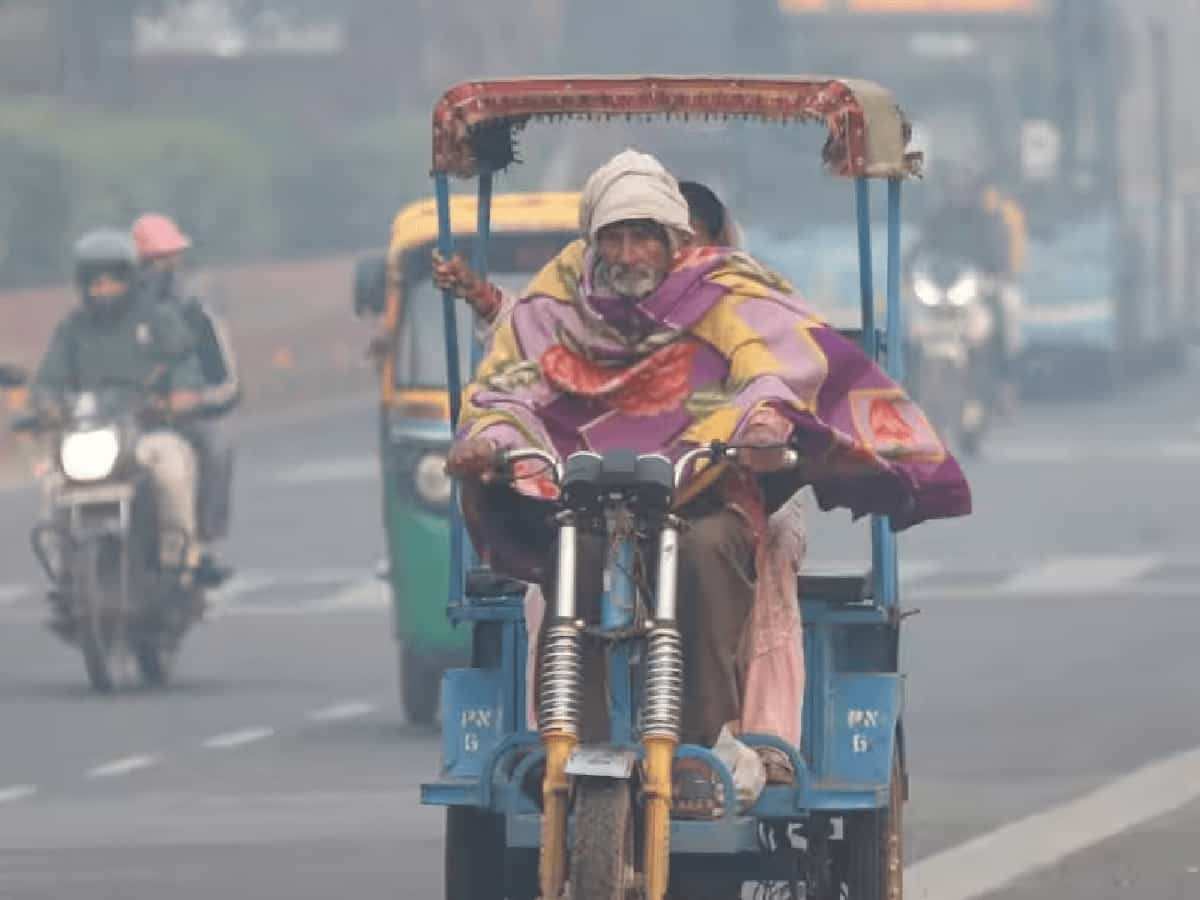
Dense Fog Alert in Delhi-NCR, UP as Winter Tightens Grip
Winter chill is deepening across northern India, bringing early-morning and late-night dense fog that is set to reduce visibility and complicate daily commutes across Delhi-NCR, Uttar Pradesh, Haryana, Chandigarh, and Punjab. In its two-week extended weather outlook covering November 26 to December 9, 2026, the India Meteorological Department (IMD) has flagged a multi-region shift in weather patterns: persistent fog across the northern plains and parts of the Northeast, localized cold wave conditions in eastern Rajasthan, fresh rain and snowfall in the western Himalayas during the first week of December, and ongoing rainfall spells across southern India and the Andaman and Nicobar Islands. Across Uttar Pradesh—especially in state capital Lucknow and neighboring centers such as Unnao, Kanpur, Prayagraj, and Varanasi, where highway corridors, early-morning train schedules, and flight operations are highly sensitive to drops in visibility—the IMD's advisory serves as an early seasonal reminder for motorists and travelers to plan journeys carefully and use fog lights.
Dense Fog Alert Across Delhi-NCR, Uttar Pradesh, and the Northern Plains
According to the IMD's warning bulletin, dense fog is likely during morning and night hours across Delhi, Chandigarh, Haryana, Punjab, eastern Uttar Pradesh, and parts of western Uttar Pradesh between November 26 and 28, with foggy conditions persisting in Himachal Pradesh through November 30. Dense fog is also indicated for Assam and Meghalaya on November 26 and 27, alongside misty to foggy pockets across Nagaland, Manipur, Mizoram, Tripura, and Odisha. Because reduced visibility can slow highway traffic, delay rail and flight schedules, and raise collision risks, the IMD has urged drivers to maintain safe speeds, keep fog lamps switched on, and check transport updates before setting out.
| Region / Weather System | Forecast Window (Nov 26 – Dec 9, 2026) | Key IMD Highlights & Advisory |
| Delhi-NCR, UP, Punjab, Haryana & Chandigarh | Nov 26–28 (Himachal till Nov 30) | Dense morning/night fog; potential road, rail, and flight delays. |
| Eastern Rajasthan & Northwest Plains | Nov 26–28 (Week 1) vs. Dec 3–9 (Week 2) | Cold wave in isolated pockets of East Rajasthan (Nov 26–28); night temperatures rise slightly in Week 2 with no cold wave expected nationwide. |
| Western Himalayas & Adjacent Plains | Dec 3–9, 2026 | Active western disturbance brings rain and snowfall in J&K, Ladakh, Himachal Pradesh, and Uttarakhand, plus light rain in northwest plains. |
| South India & Bay of Bengal | Nov 26–Dec 9, 2026 | Heavy rain spells in Tamil Nadu, Puducherry, Karaikal, Kerala, Mahe, and Lakshadweep; low-pressure area likely over Andaman Sea / SE Bay of Bengal around Nov 29–30 (unlikely to intensify into a cyclone by Dec 2). |
| Post-Monsoon Rainfall & Global Drivers | Oct 1 – Nov 25, 2026 | All-India seasonal rainfall at 71.1 mm vs. 101.5 mm normal (30% deficit); El Niño warming in the Pacific may strengthen into early 2027, while the Indian Ocean stays neutral. |
Cold Wave in Eastern Rajasthan Before a December Western Disturbance Brings Snowfall
While night temperatures are dipping across northwest India—with isolated pockets of eastern Rajasthan facing cold wave conditions between November 26 and 28—minimum temperatures in parts of the western Himalayan region are projected to stay 2°C to 4°C above normal. Looking ahead to the second week of the outlook (December 3 to 9), night temperatures across northwest India are expected to edge upward slightly, and the IMD forecasts no cold wave anywhere in the country during that window. However, an active western disturbance moving across the western Himalayan region between December 3 and 9 is expected to trigger rain and snowfall over Jammu and Kashmir, Ladakh, Himachal Pradesh, and Uttarakhand—including isolated heavy spells on a day or two—alongside possible light rainfall over the adjoining northwest Indian plains.
South India Rainfall, Bay of Bengal Low-Pressure System, and Cyclone Akvan Recap
In southern India, easterly wave activity continues to drive showers, with isolated heavy rainfall forecast over Tamil Nadu, Puducherry, and Karaikal (Nov 26–28), Kerala and Mahe (Nov 26–28), and Lakshadweep (Nov 26), accompanied by strong surface winds along coastal Andhra Pradesh, Yanam, and Rayalaseema through November 28. Another spell of isolated heavy rain is likely over Tamil Nadu and Kerala between December 3 and 9, while an upper-air cyclonic circulation emerging over the South Andaman Sea around November 29 is expected to organize into a low-pressure area near the Andaman and Nicobar Islands and southeast Bay of Bengal by November 30—bringing widespread rainfall and isolated heavy showers to the islands between November 29 and December 2 without intensifying into a cyclonic storm by December 2. By contrast, western and central India are expected to remain largely dry. The bulletin also reviewed last week's severe cyclonic storm Akvan, which crossed the north Andhra Pradesh–south Odisha coast near Gopalpur, Odisha on November 20 with sustained winds of 70–80 kmph gusting to 90 kmph, unleashing extremely heavy rain in parts of Odisha and widespread showers across coastal Andhra Pradesh, West Bengal, Chhattisgarh, Assam, Meghalaya, Tamil Nadu, and the Northeast before weakening.
Seasonal Rainfall Deficit of 30% and El Niño Outlook Into Early 2027
On the seasonal balance sheet, India recorded 71.1 mm of post-monsoon rainfall between October 1 and November 25, 2026, compared with the long-period normal of 101.5 mm—a nationwide shortfall of 30%. Regional deficits stood at 39% in central India, 33% in east and northeast India, and 29% in south India, whereas northwest India remained nearly normal with just a 1% deficit. Globally, sea-surface temperatures in the equatorial Pacific remain well above normal under El Niño conditions, which meteorologists estimate could strengthen toward the end of 2026 and persist through January–March 2027, even as Indian Ocean conditions remain neutral and steady over the coming days.






