The 5cm Rule: When Ovarian Cysts Resolve on Their Own vs. When to Worry
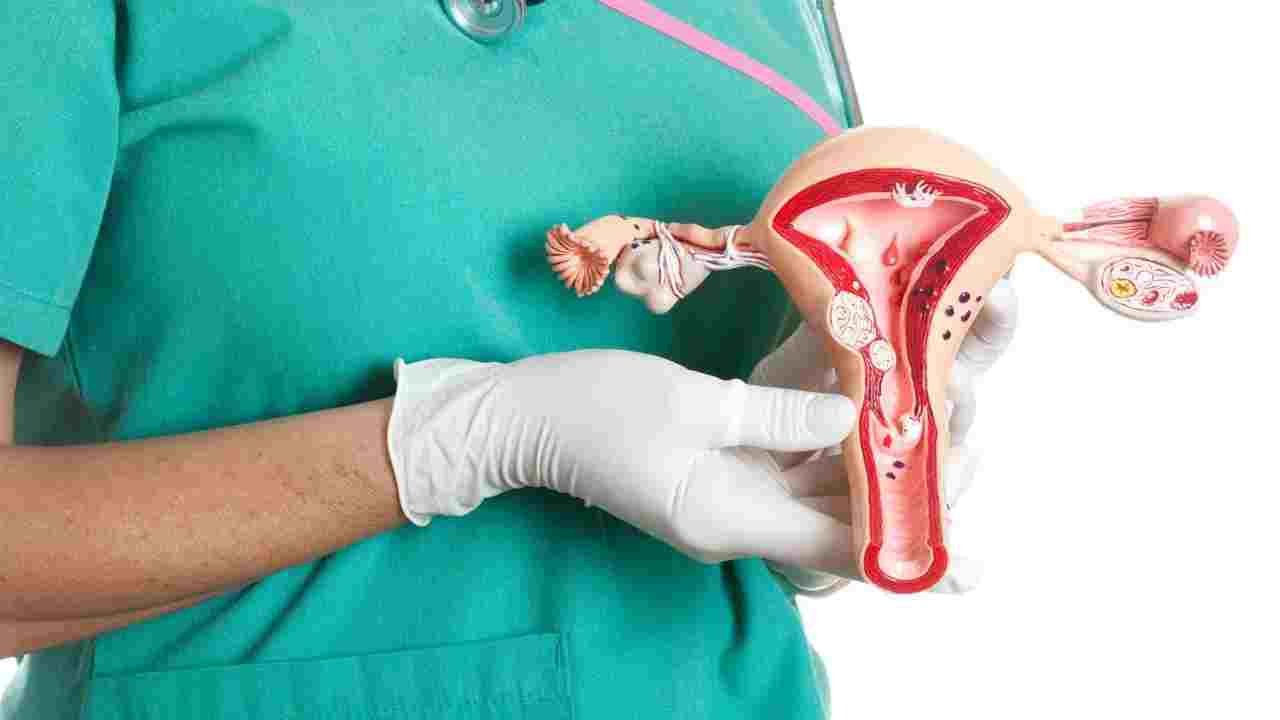
Finding out you have an ovarian cyst through an ultrasound can be an anxious moment. The mind immediately jumps to surgery, but the reality is that most cysts are a natural part of the reproductive cycle. Understanding the difference between a "simple" cyst and one that needs medical intervention is key to managing your health without unnecessary stress.
The 5-6 Centimeter Threshold
One of the most common questions women ask is: How big is too big? According to Dr. Saloni Chadha from RML Hospital, cysts that are "simple"—meaning they are filled only with fluid and have no solid components—and measure between 5 to 6 centimeters often do not require surgery.
In many cases, these cysts are functional, meaning they formed during a normal menstrual cycle due to hormonal shifts. Doctors typically adopt a "watchful waiting" approach for these sizes, prescribing a repeat ultrasound in 6 to 12 weeks to see if the body has naturally reabsorbed the fluid.
When Does a Cyst Become "Complex"?
Size isn't the only factor. Doctors look at the type of cyst to determine the risk:
Simple Cysts: Purely fluid-filled; usually benign and often resolve on their own.
Complex Cysts: Contain solid material, blood, or multiple compartments. These are monitored much more closely regardless of size.
When Surgery Becomes Necessary
While many cysts vanish on their own, surgery is recommended if the cyst:
Continues to Grow: If a follow-up scan shows the cyst is getting larger instead of smaller.
Causes Severe Symptoms: Persistent pelvic pain, a constant feeling of heaviness, or pain during intercourse.
Shows Suspicious Features: If the ultrasound suggests complex changes or there is any suspicion of malignancy (cancer).
Becomes an Emergency: In rare cases, a cyst can cause Ovarian Torsion (twisting of the ovary) or it can rupture. Both conditions cause sudden, excruciating pain and require immediate surgical attention.
The Warning Signs: Don't Wait
You should contact a specialist immediately if you experience:
Sudden, sharp pelvic pain.
Pain accompanied by fever or vomiting.
Dizziness, fainting, or extreme weakness.
Unexplained abdominal swelling or a rapid change in your menstrual cycle.
The Bottom Line
Most ovarian cysts are small, harmless, and temporary. However, the best way to handle a diagnosis is through regular monitoring and open communication with your gynecologist. Timely checkups ensure that if a cyst does need to be removed, it can be handled safely before it leads to complications.





_124973916_351x234.jpeg)