










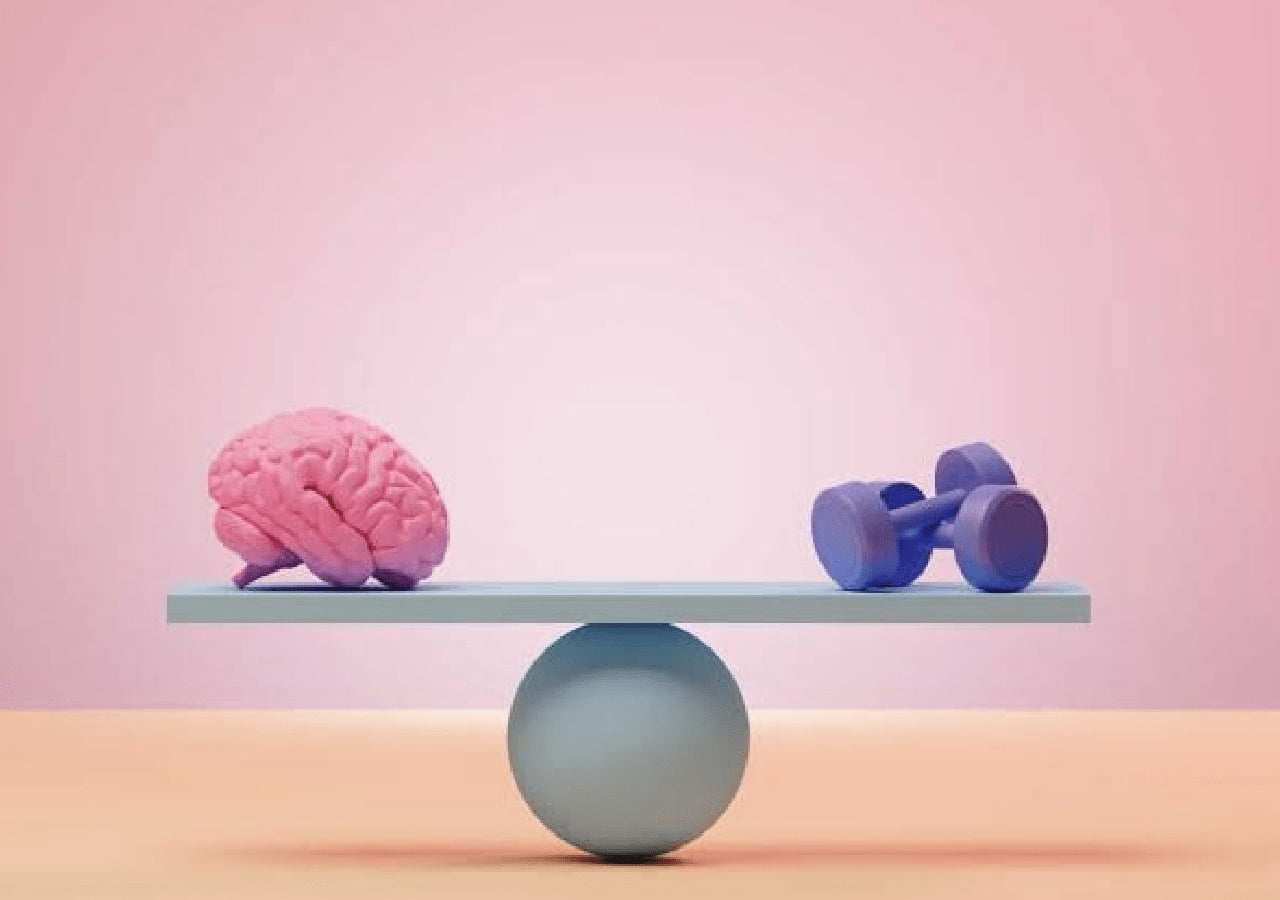
Luxury Brain Training vs. Free Habits: What Science Says
For years, chasing youthfulness mostly meant smoothing fine lines or booking cosmetic treatments, but high-end wellness has increasingly shifted toward cognitive longevity and sharper thinking under the banner of "luxury brain training." From specialized week-long programs in Switzerland—including offerings developed in collaboration with Lausanne University Hospital carrying eye-watering price tags around ₹3.3 million—to curated brain-wellness packages at upscale London hotels, affluent travelers are paying steep sums in pursuit of peak mental performance and slower brain aging. Yet even as diagnostic tours and high-tech assessments sound cutting-edge, health experts note there is no solid scientific evidence that pricey commercial brain-training packages can turn a typical healthy brain into a "super brain"—while foundational daily habits that cost nothing remain central to supporting memory and mental clarity. Across Uttar Pradesh—especially in state capital Lucknow and neighboring hubs such as Unnao, Kanpur, Prayagraj, and Varanasi, where students, professionals, elders, and families alike look for practical ways to stay mentally sharp amid busy schedules and stress—separating flashy wellness marketing from proven daily routines is a practical starting point.
Luxury Brain Packages vs. Proven Everyday Habits
| Approach | What It Involves | Key Takeaway on Evidence & Cost |
| Luxury Week-Long Brain Programs | Multi-day assessments such as MRI brain scans, memory/focus/speed tests, and genetic plus gut microbiome testing to estimate "brain biological age," paired with a three-month follow-up plan | High cost (reported around ₹3.3 million in a Swiss example) and clinic branding, but unproven to turn a normal healthy brain into a "super brain" |
| Free Daily Lifestyle Foundations | Restful sleep, regular physical exercise, and meaningful social interaction to lower stress and loneliness | Low or zero cost; widely supported by medical science for memory consolidation, blood flow, and cognitive upkeep |
What High-End Brain Programs Actually Include—and Where the Evidence Stands
High-priced cognitive retreats typically package clinical-sounding diagnostics into a seven-day itinerary: MRI scans to inspect brain structure, cognitive and mental-ability tests evaluating memory, focus, and processing speed, and genetic and gut-microbiome profiling reflecting growing scientific interest in the gut–brain link. Combining those inputs to estimate a person's "biological brain age" and handing over a three-month home regimen sounds tailored and thorough, yet health specialists point out that clinics have not demonstrated solid proof that these multi-million-rupee packages meaningfully upgrade baseline brainpower beyond ordinary cognitive health.
Free, Everyday Habits That Support a Sharp Mind
You do not need a luxury resort or an expensive scan to look after your brain day to day. Restorative sleep helps the brain clear daily fatigue and consolidate memories, regular physical movement supports healthy blood flow to the brain, and staying socially connected through conversation and community life helps keep the mind engaged while easing stress and isolation. Alongside mentally engaging learning and routine health care, consistent basics remain the most reliable way to support long-term cognitive well-being—and anyone experiencing sudden memory changes, persistent confusion, or mood shifts should consult a qualified doctor.






