










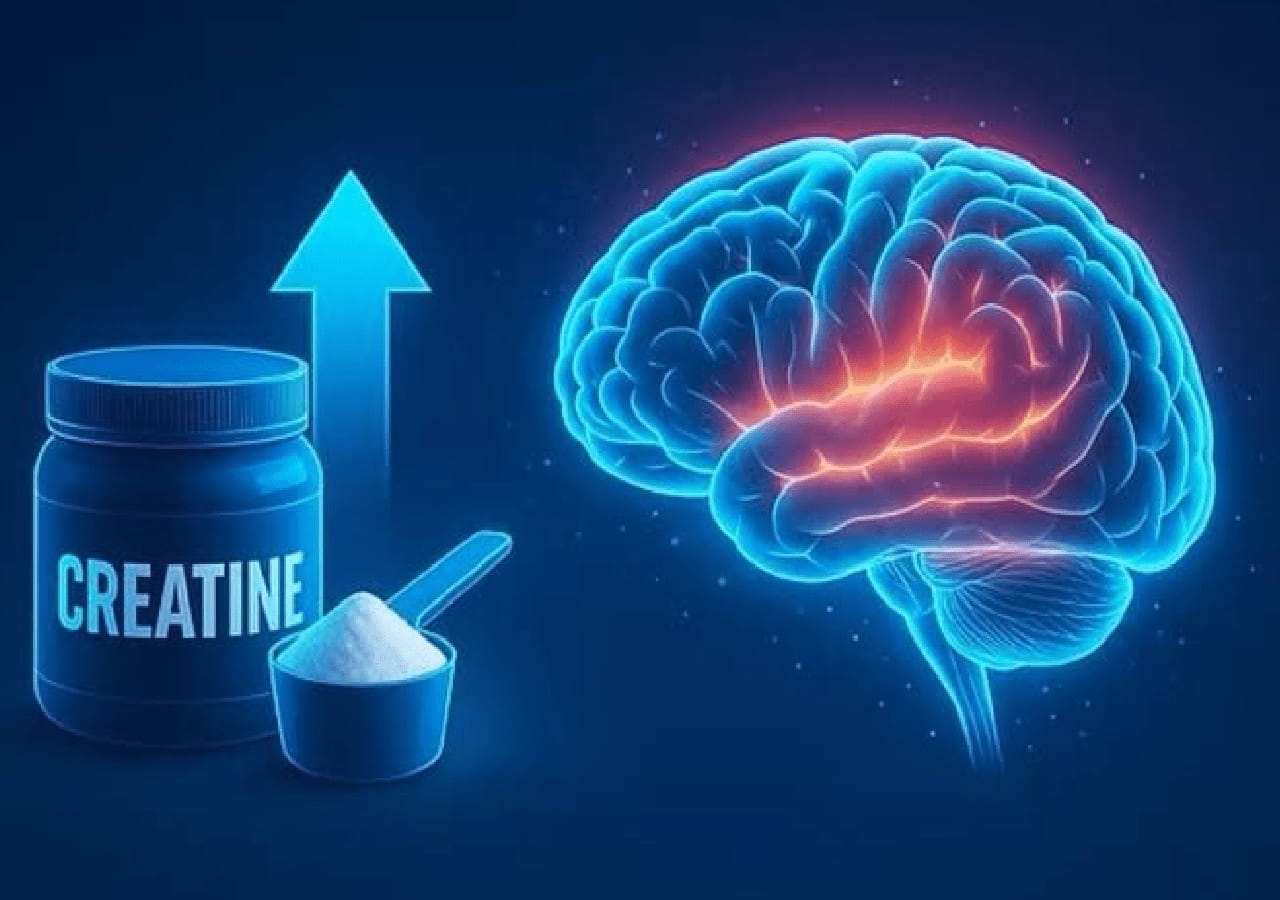
Creatine and Brain Health: Potential, Limits & Research
Long recognized in sports nutrition for helping support muscle strength during high-intensity training, creatine is drawing growing scientific and public interest for a very different organ: the brain. Because the brain uses roughly 20 percent of the body's total energy and relies on rapid cellular energy recycling, researchers are examining whether creatine supplementation can help sustain mental focus, ease fatigue, and support brain cells under metabolic stress—including in conditions such as Alzheimer's disease and Parkinson's disease. At the same time, exercise-science researchers urge a measured view: as Stuart Phillips, a professor of kinesiology at McMaster University in Ontario, has noted, the potential is real, yet many early findings remain promising rather than settled proof of dramatic cognitive boosts. Across Uttar Pradesh—especially in state capital Lucknow and neighboring hubs such as Unnao, Kanpur, Prayagraj, and Varanasi, where gym-goers, students, working professionals, and older adults alike encounter wellness claims around supplements—understanding both the biology and the boundaries of current evidence helps keep expectations grounded.
How Creatine Works on Energy—and What Brain Research Shows
| Aspect of Creatine | What Science & Researchers Highlight |
|---|---|
| Role in Cellular Energy (ATP) | Supports adenosine triphosphate (ATP) production, the primary cellular energy currency used during demanding muscle work and high-energy neural activity |
| Muscle vs. Brain Regulation | Helps support training output and strength gains in muscles; the brain tightly regulates its own creatine levels, making uptake and response more nuanced |
| Focus, Fatigue & Recovery | Studied for potential help with mental focus, clear thinking, fatigue relief, and recovery after injury or illness, though individual responses vary |
| Alzheimer's & Parkinson's Research | Impaired brain energy metabolism is documented in Alzheimer's, Parkinson's, and other neurological disorders, prompting research into whether boosting energy availability helps |
ATP Energy, Tight Brain Regulation, and Realistic Expectations
At its core, creatine plays a key role in regenerating ATP, which fuels energy-hungry cells. In resistance training, better short-burst energy availability can help lifters push slightly harder and build strength over time. Because the brain consumes around one-fifth of the body's total energy, scientists have explored whether extra creatine can support brain cells during periods of heavy demand, sleep loss, injury recovery, or metabolic strain. Yet unlike skeletal muscle, the brain tightly controls its internal creatine transport and levels, which is why Stuart Phillips emphasizes staying realistic: potential exists, and many leads look encouraging, but creatine is not a cure-all or guaranteed cognitive shortcut.
Neurological Conditions and Safe Next Steps
Research has increasingly pointed to disrupted energy metabolism in the brains of people living with Alzheimer's disease, Parkinson's disease, and other neurological conditions, driving ongoing investigation into whether supporting energy pathways offers clinical benefit. While creatine is widely studied as a dietary supplement, individuals considering supplements—especially older adults, those with kidney or liver conditions, or anyone managing neurological or chronic health issues—should review evidence carefully with a qualified healthcare provider rather than treating early research as proven treatment.






