If you overdo the protein intake it becomes fat and increases weight, natural protein is important for kidney health
Suspense Crime, Digital Desk : Have you ever bought protein powder from the internet due to the suggestion from any fitness influencer. After buying it does, you are confused about whether or not to use the protein powder that you just bought? E.g. Whether or not to take that protein powder? And whether it is appropriate for you to consume with or without food?. You are not the only one because with the advertisement going on through TV and internet about the protein benefits it is only getting popular among the masses.
Senior Dietitian, AIIMS, New Delhi, Dr. Swapna Chaturvedi explains that there are various proteins available in the market like bars, drinks, snacks and powders that may lead you confused. Do not fall into this trend and always ask yourself that do you actually require it. Internet information is sometimes confusing and not everything displayed on the internet is necessarily healthy.
Remember protein is a nutrient and not a wonder drug therefore you must have it in a appropriate quantity because having it less or having it too much is not beneficial for your health. What is most important is that you must know about the ways of using the protein supplement correctly. E.g. Having only protein shake a day is probably not the way and if you are having it just because your fitness coach told you to have it, do you really need it? You have to take a specific portion of protein for your body daily. You need to distribute the same portion over few hours throughout the day, equally in every meal.
Things to keep in mind
The daily recommended intake of protein for any individual is based on their age, gender, physical activity level, and other health factors.
If you're looking to consume protein for muscle building along with weight loss, you should always consult your fitness coach for its appropriate quantity and quality.
It is not recommended to consume protein from high-fat or high-carb foods such as nuts, nut butter, beans, whole grains, meat etc as it may increase your caloric intake and be detrimental for your weight loss efforts.
If you consume too much protein in your daily diet then your body can convert the excess protein into glucose, which is later stored in your body as fat. With very high calories the same protein can lead to weight gain.
Having a high amount of protein for a longer period can have adverse digestive problems, dehydration and nutritional imbalance. In fact, having only protein in your diet would be neglecting other nutrients in your body.
The use of high-protein diet is injurious for those individuals not engaged in energy intensive work or in high strength training exercises.
Balancing your protein consumption with other essential nutrients from other food sources like fish, eggs, chicken, legumes, fruits and other vegetables is important.
What's their role in weight management
The consumption of protein fills you more than carbohydrate and fat and helps to secrete or produce the ghrelin which is a hunger hormone. Its consumption can reduce your hunger.
Kidney Patients have to be careful
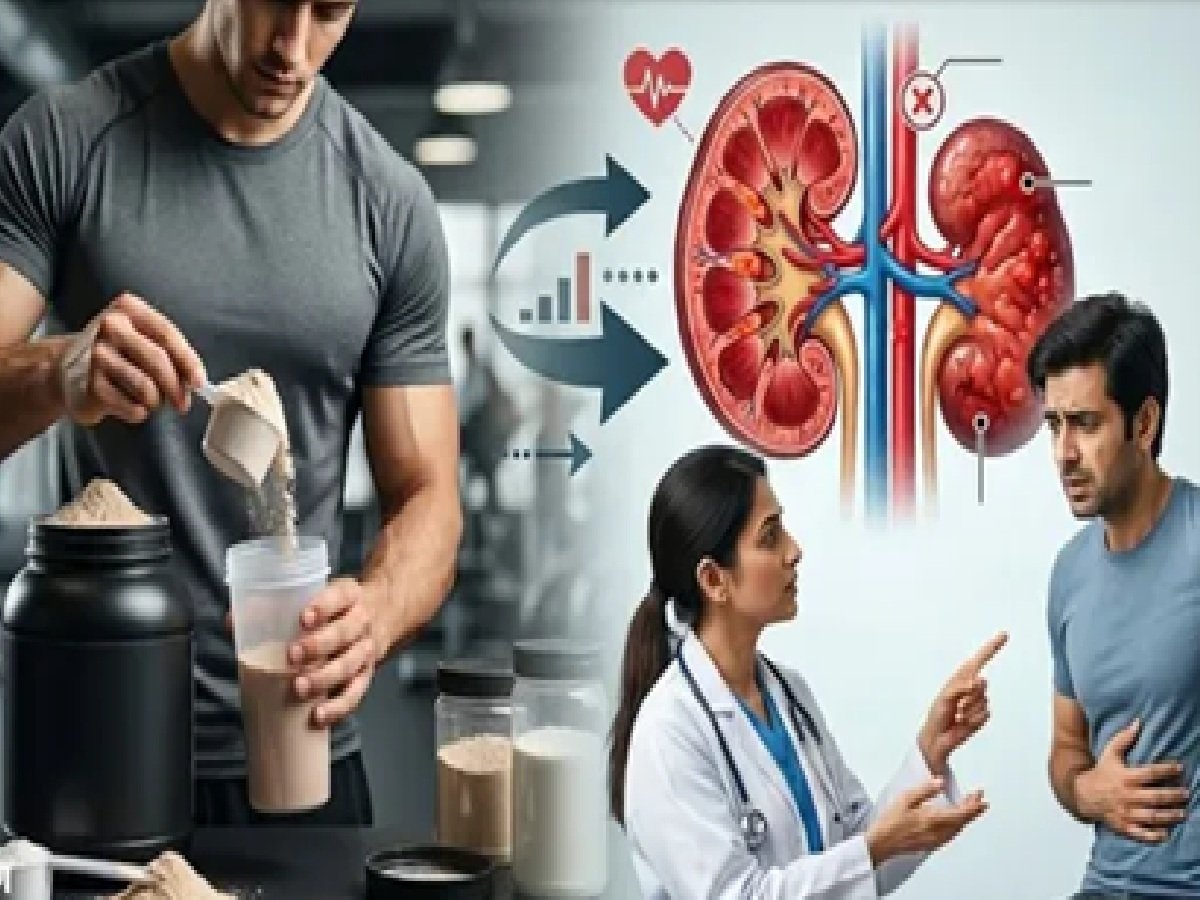
The urea is the waste element formed after the protein is metabolized or converted into energy by your body. A spike in its amount will place additional strain on the kidneys. The primary function of the kidney is to excrete these waste products and its non-excretion can even cause problems in the long run, and may cause severe problems in case of Kidney patients.
Protein Diet, Drink or Powder
To have the appropriate amount of protein in your daily diet these three aren't appropriate, you should take proteins from protein rich diet as it generally contain the artificial colors and sugar and is very high in calories that may lead to weight gain and other health problems as well.