Priyanka Tiwari
 Share
Share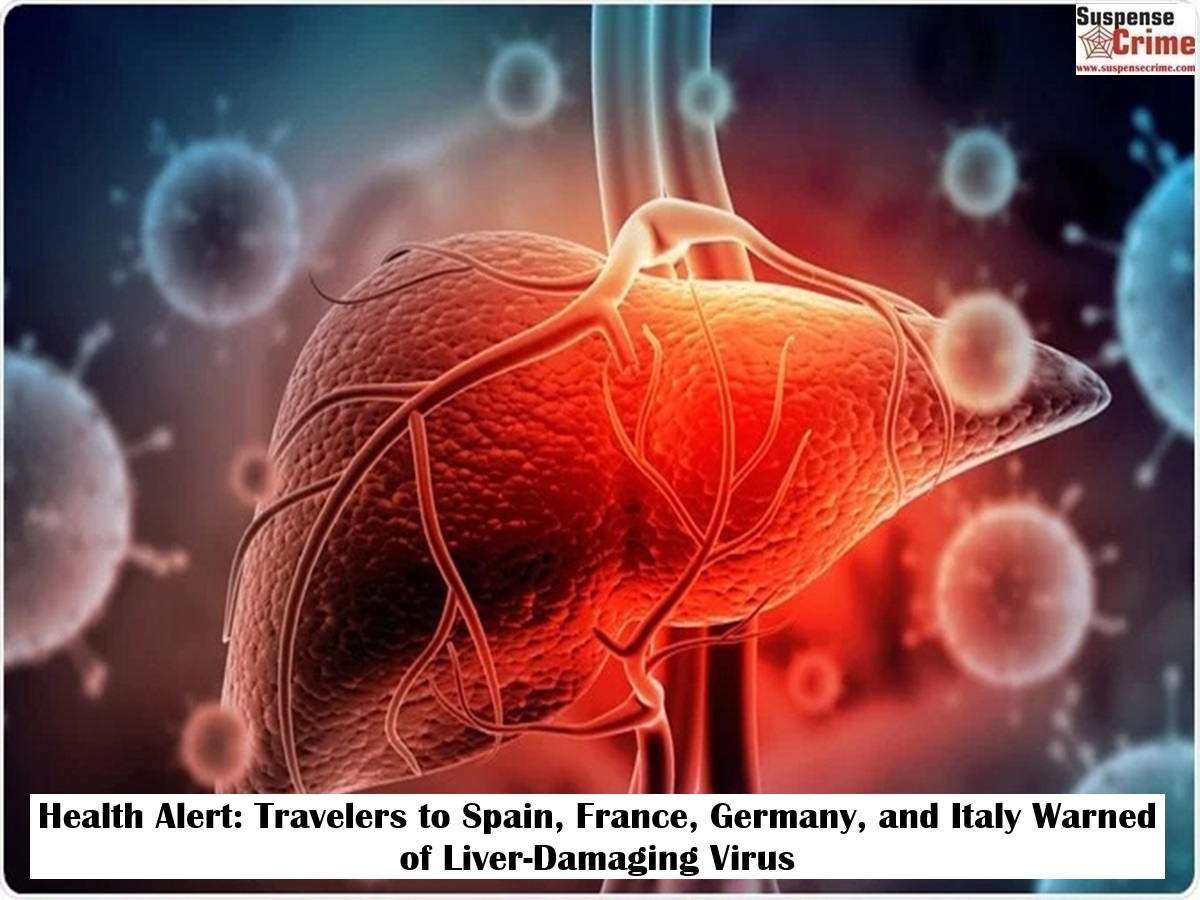
Suspense crime, Digital Desk : Health authorities have issued a travel health warning concerning a rise in Hepatitis E virus (HEV) cases linked to several of Europe's most popular holiday destinations. Tourists planning trips to Spain, France, Germany, and Italy are being urged to take extra precautions to protect themselves from this potentially serious infection, which can lead to severe liver inflammation and, in rare cases, liver failure.
What is Hepatitis E?
Hepatitis E is a virus that infects the liver. While for many people the infection can be mild and resolve on its own, it poses a significant risk to certain vulnerable groups. The current alert highlights an increase in cases where travelers have returned from these four countries with the infection.
How is the Virus Spreading?
The primary sources of infection identified in this alert are the consumption of undercooked pork products and contaminated water. Health officials have specifically pointed to certain types of cured or raw pork sausages, like the French "figatellu," as a potential source. Poor sanitation can also contribute to the spread of the virus.
Know the Symptoms
Symptoms of Hepatitis E can appear several weeks after infection and often mimic the flu. Travelers should be vigilant for the following signs:
- Jaundice: A yellowing of the skin and eyes.
- Fever and fatigue.
- Nausea, vomiting, and loss of appetite.
- Abdominal pain.
- Dark-colored urine.
Who is Most at Risk?
While anyone can get infected, the virus can be particularly dangerous for pregnant women, for whom it can lead to acute liver failure with a high mortality rate. Individuals with pre-existing liver conditions or weakened immune systems are also at a much higher risk of developing severe complications.
How to Stay Safe During Your Travels
The good news is that simple precautions can significantly reduce your risk of infection:
Ensure Pork is Thoroughly Cooked: Avoid raw or undercooked pork products, including certain sausages and pâtés. Heat kills the virus.
Drink Safe Water: Stick to bottled, boiled, or purified water. Avoid tap water and ice cubes in drinks unless you are certain of the water's safety.
Practice Good Hygiene: Wash your hands thoroughly with soap and water, especially before eating and after using the restroom.
Be Cautious with Raw Foods: Be careful with raw fruits and vegetables that may have been washed in contaminated water. Opt for fruits you can peel yourself.
By staying informed and taking these sensible steps, travelers can enjoy their European holidays while protecting their health.
Read More: Stop Summer Loose Motions Naturally The 5-Minute Kitchen Secret to Fix Your Digestion Instantly