₹800 Crore Mega Industrial Cleanup Unveiled; 3 New Massive CETPs To Neutralize Toxic Chemical Water and Save Dying Crops
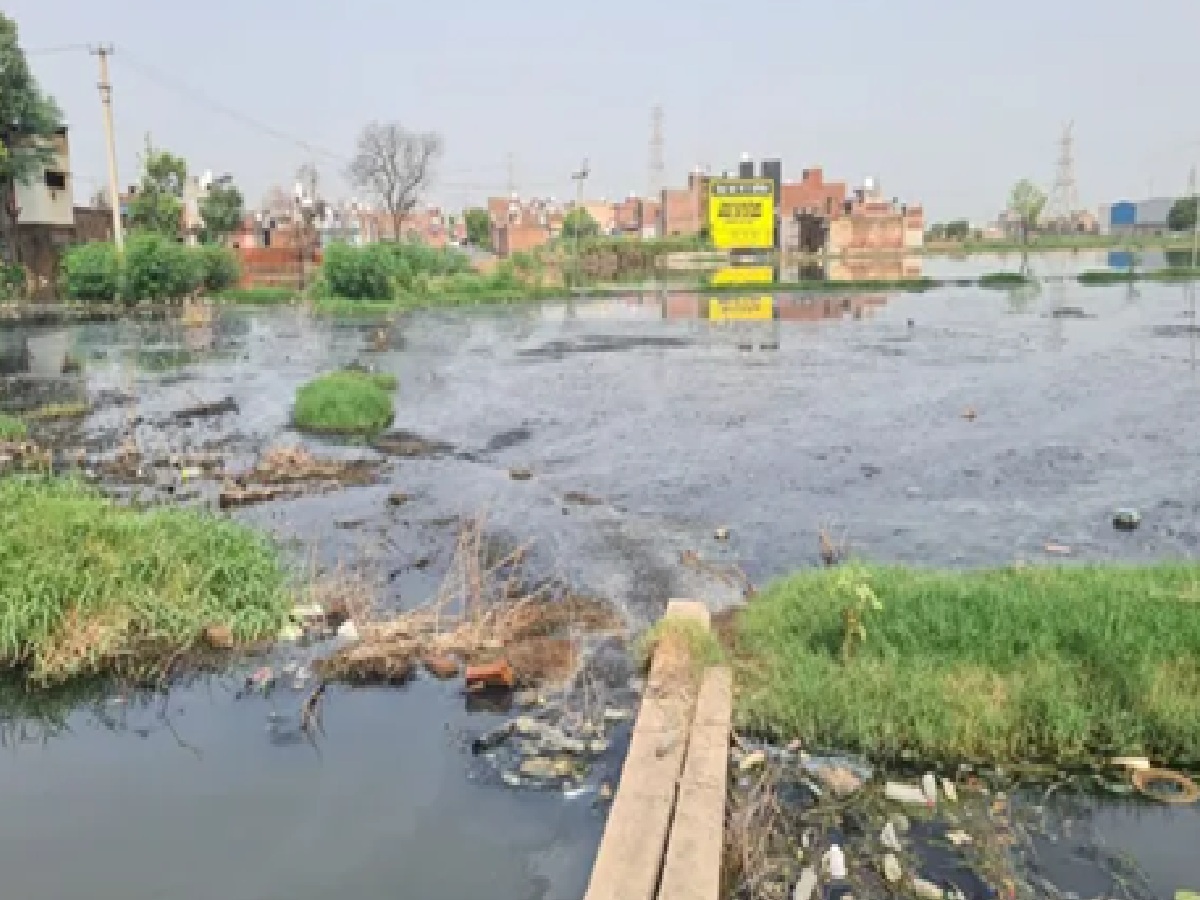
Faridabad: In a high-stakes infrastructural push aimed at reversing decades of severe environmental degradation, the Haryana State Industrial and Infrastructure Development Corporation (HSIIDC) has greenlit a monumental pollution control blueprint. The industrial hub of Faridabad is set to receive three state-of-the-art Common Effluent Treatment Plants (CETPs) to systematically neutralize highly toxic, chemical-laden industrial wastewater. Backed by a massive administrative budget of ₹800 crore, this sweeping multi-phased project will isolate industrial discharges from domestic sewer lines, offering massive structural relief to regional farmers while completely safeguarding the city’s depleting groundwater reserves.
Breaking the Combined Line: Separate Pipeline Matrix to Protect Existing STPs
The fundamental engineering flaw currently plaguing Faridabad’s civic layout is the forced mixing of dangerous industrial chemical effluents with standard domestic sewage lines. This combined flow routinely enters the city's Sewage Treatment Plants (STPs), where highly corrosive industrial acids and heavy metal complexes completely corrode and destroy expensive micro-filters and advanced technical components. Under the newly sanctioned ₹800 crore master plan, HSIIDC will lay down an entirely independent, dedicated industrial pipeline network. This layout ensures that chemical wastewater bypasses residential lines entirely, dropping systemic operational pressure on municipal STPs and allowing them to run at peak optimization to process civic waste effectively.
Saving the Yamuna Ecosystem: 150 MLD Total Treatment Capacity to Protect Aquatic Life
Faridabad currently houses a massive manufacturing ecosystem comprising approximately 25,000 active industrial units. While a handful of tier-1 compliance-conscious factories have established functional, captive effluent treatment systems, a vast majority of unorganized small-scale units have been discharging toxic wastewater directly into open municipal drains or unlined surface depressions. This predatory disposal has severely poisoned the groundwater table, destroying dozens of acres of standing crops in peripheral agricultural zones like Khandawali village due to severe chemical waterlogging. The introduction of the three new CETPs—each engineered to process a massive 50 Million Litres per Day (MLD), aggregating to a total treatment footprint of 150 MLD—will ensure that entirely chemical-free, neutralized water is systematically discharged into the Yamuna River, protecting fragile aquatic biomes and reversing localized soil toxicity.
Strategic Hub Selection: Pratapgarh, Mirzapur, and Badshahpur Identified for Phase-1 Rollout
The spatial distribution of the upcoming heavy-duty environmental infrastructure has been finalized following high-level coordination meetings overseen by the city's mayoral framework. The specialized treatment facilities will be constructed alongside existing major drainage junctions in the critical industrial-adjacent sectors of Pratapgarh, Mirzapur, and Badshahpur. The municipal corporation has officially completed the detailed land demarcation processes and formally transferred site possession certificates to HSIIDC engineers. The first commercial global tender for constructing the frontline processing facility near Pratapgarh is scheduled to be floated over the coming weeks to accelerate civil operations before the next monsoon cycle.
_300245590_351x234.jpg)