Diplomatic Tightrope: Pakistan Foreign Minister Reaches US to Meet Marco Rubio as Iran Deal Hangs in Balance
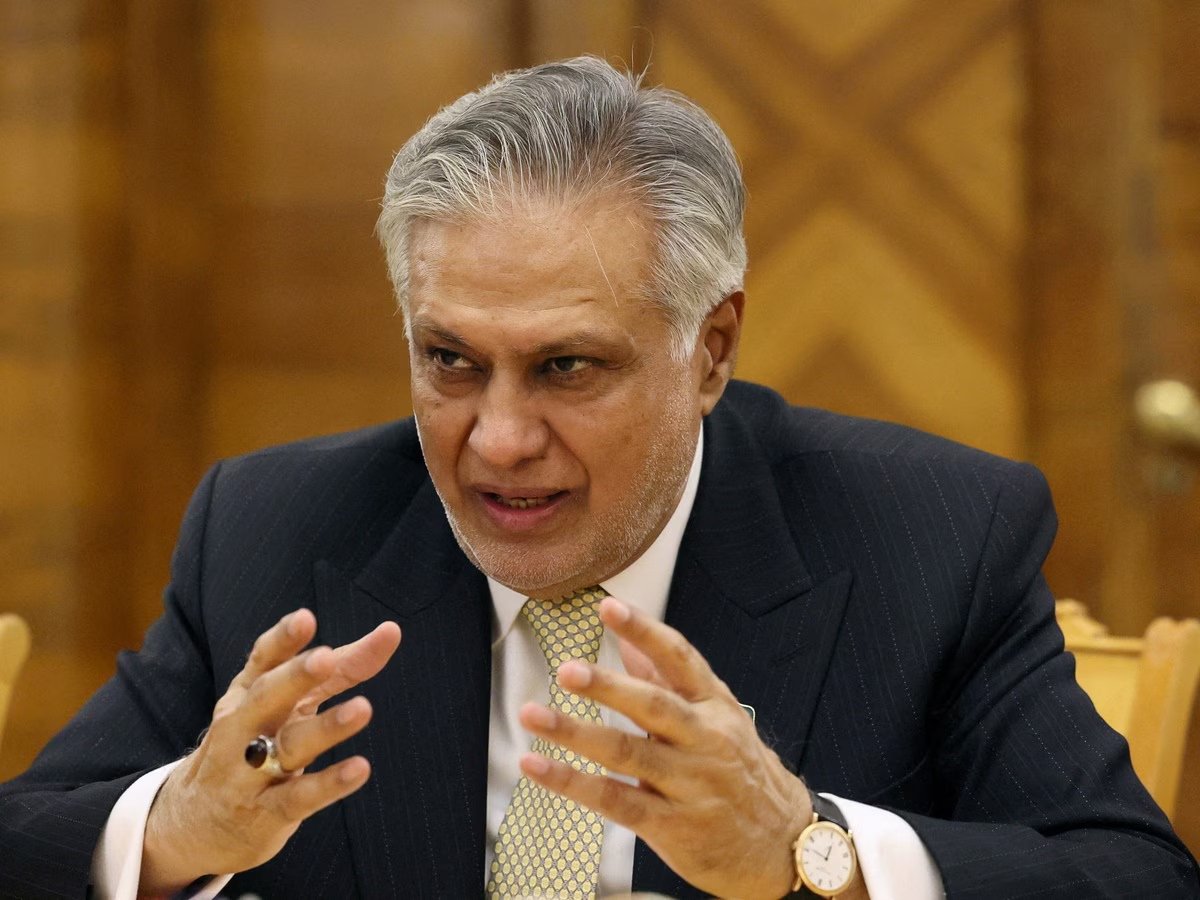
In a high-stakes diplomatic mission aimed at resetting bilateral ties and navigating complex regional security dynamics, Pakistan’s Foreign Minister Ishaq Dar has arrived in the United States. The crucial visit comes at a time of immense geopolitical friction, with Dar scheduled to hold a pivotal meeting with prominent US officials, including Secretary of State Marco Rubio.
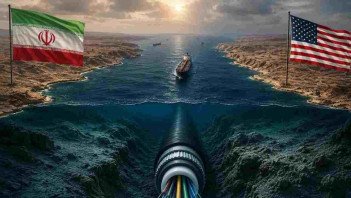
The discussions are expected to center around international financial assistance, regional security, and the increasingly contentious Pakistan-Iran gas pipeline project, which has drawn sharp warnings from Washington.
Direct Talks with Marco Rubio Amid Evolving Foreign Policy
The meeting between Ishaq Dar and Marco Rubio is being watched closely by global political analysts. With Rubio driving a hawkish and clear-cut American foreign policy agenda, Islamabad is under immense pressure to realign its strategic priorities.
Pakistan is currently grappling with a severe economic crisis and relies heavily on international monetary support. Dar's mission involves convincing Washington that Pakistan remains a stable, reliable partner in South Asia, while simultaneously seeking lenient terms on international trade and financial restructuring.
The Elephant in the Room: The Pakistan-Iran Energy Deal
The primary point of friction dominating the diplomatic agenda is Islamabad's ongoing energy commitments with Tehran. Despite intense pressure and explicit threats of economic sanctions from the United States, Pakistan has faced a severe legal and financial dilemma regarding the long-delayed Iran-Pakistan gas pipeline.
If Pakistan backs out entirely, it risks billions of dollars in contractual penalties from Iran; if it proceeds, it faces the wrath of unilateral US sanctions that could completely paralyze its fragile economy. Minister Dar is expected to navigate this delicate minefield, attempting to negotiate a waiver or seek alternative economic relief from the American administration.
Counter-Terrorism and Regional Stability on the Table
Beyond trade and energy, the bilateral talks will dive deep into regional security. The surge in cross-border terrorism along Pakistan’s western borders has raised alarm bells globally.
Islamabad is keen to secure advanced security assistance and surveillance technology from the US to combat localized insurgencies. However, Washington is expected to demand concrete, verifiable steps from Pakistan regarding internal stability and balanced relations with its immediate neighbors before greenlighting significant strategic aid.
Can Islamabad Balance Washington and Tehran?
As Ishaq Dar begins his series of high-level closed-door meetings in Washington, the outcome of this trip will likely dictate Pakistan's economic and foreign policy trajectory for the foreseeable future. Striking a compromise that satisfies America's strict geopolitical stance without alienating regional neighbors remains one of the toughest diplomatic challenges Islamabad has faced in recent years.

_42470117_351x234.jpeg)
_284526201_351x234.jpeg)
_534188762_351x234.jpeg)