Chhattisgarh takes a major step towards implementing a Uniform Civil Code; Desai Committee to prepare draft
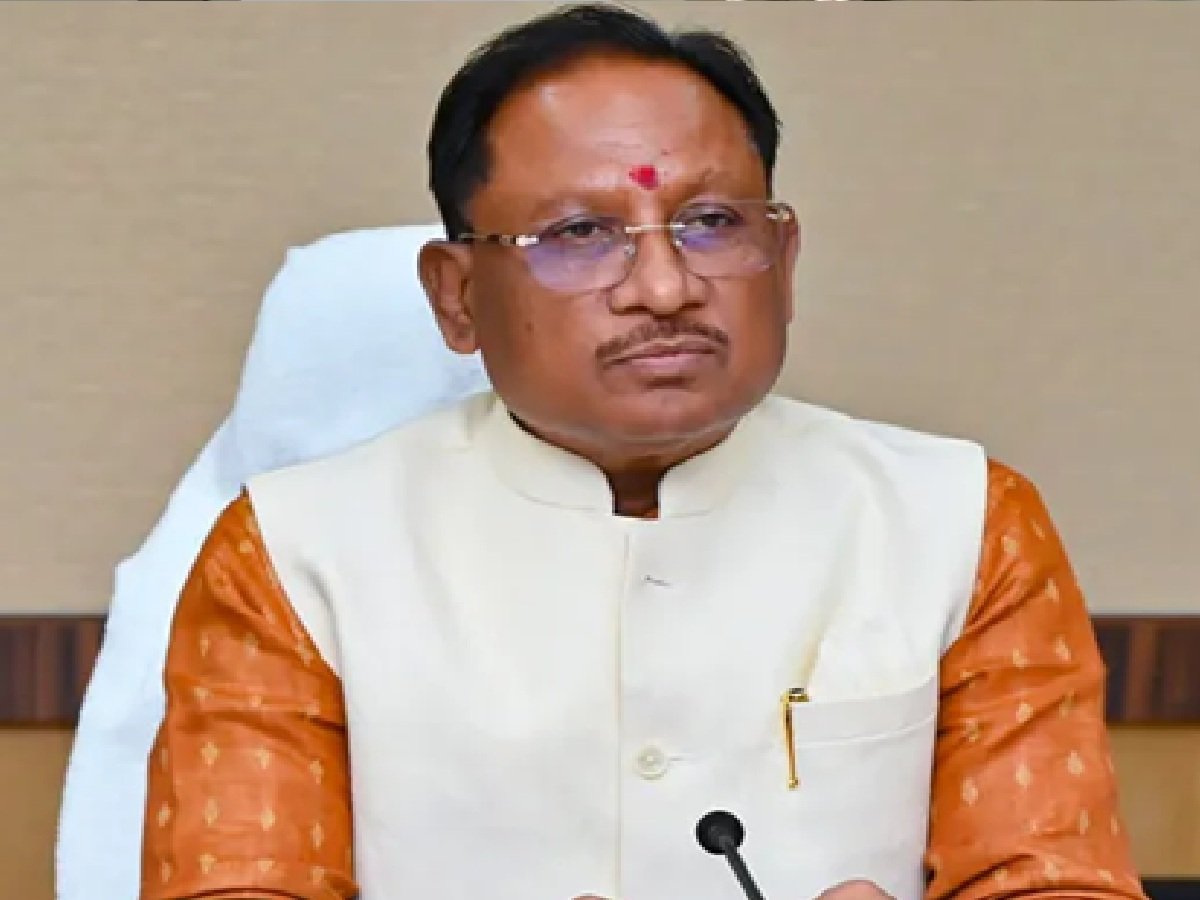
Suspense Crime, Digital Desk : The Chhattisgarh government, led by Chief Minister Vishnu Dev Sai, has taken a major and historic step toward implementing the Uniform Civil Code. The state government has formed a high-level committee to draft the UCC in Chhattisgarh. Retired Supreme Court Justice Ranjana Prakash Desai, who drafted the UCC in Uttarakhand, has been appointed chairperson of this committee. With this move, Chhattisgarh joins a select group of states in the country that have officially initiated the legislative process toward implementing the UCC.
The committee is equipped with administrative veterans and legal experts.
According to a notification issued by the state government, this high-level committee includes experienced figures in law, administration, and social affairs to prepare a balanced and inclusive draft. The committee will include retired IAS officers Shyamdhar Singh and MK Raut, and senior advocates Mohan Pawar and Jyoti Rani Singh.
The committee's study will focus on these main topics
This committee will outline a common social law for all citizens of the state. It will conduct a thorough study of the current legal system, primarily related to personal and family law, on the following topics: Bringing uniformity to marriage and divorce laws for all communities. Protecting the rights of women and children in the event of divorce or separation. Ensuring gender equality in ancestral and acquired property. Making child adoption procedures simple and transparent.
Suggestions will be taken from the public, social organizations and legal experts.
The Desai Committee will not be limited to a mere paper study. Before finalizing the draft, the committee will conduct extensive public consultations, inviting direct suggestions and objections from the citizens of Chhattisgarh, various tribal and social organizations, religious institutions, and legal experts. The committee will also conduct a comparative study of the current social systems and laws in place in other states (such as Uttarakhand and Goa) to prepare a report that takes into account Chhattisgarh's unique demographics, particularly the interests of its large tribal population.