Wholesale Inflation Surges to 12.29% in October
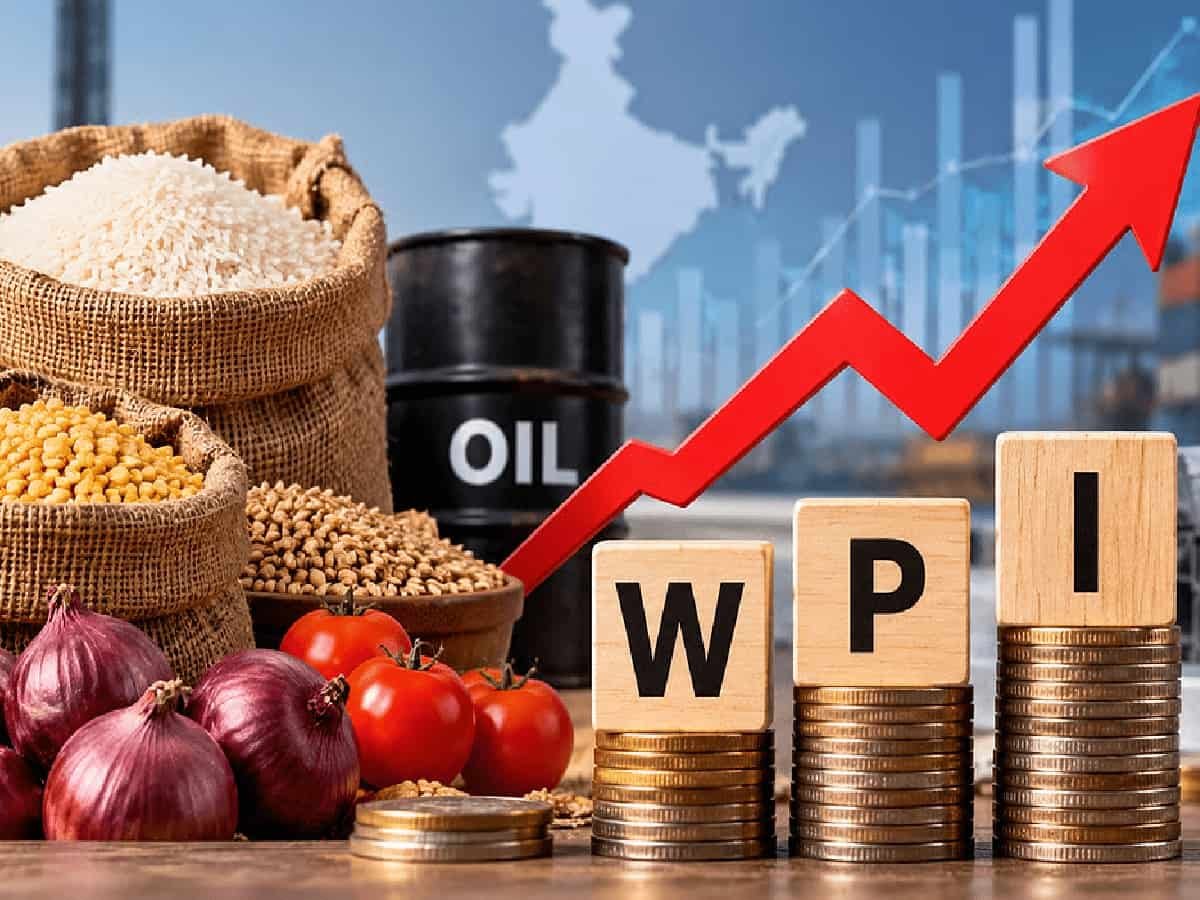
The Indian economy and everyday households are facing a severe economic double whammy on the price front. Just days after retail inflation breached the Reserve Bank of India’s (RBI) comfort threshold, official data released on Monday revealed that India's Wholesale Price Index (WPI) inflation skyrocketed to 12.29 percent in October.
Driven primarily by sharp, unrelenting surges in global energy markets, crude petroleum, electricity tariffs, and essential raw materials, the latest wholesale figures highlight mounting inflationary pressures across industrial and consumer supply chains. The mounting cost of diesel, petrol, and power is rippling through the economy, severely testing the resilience of domestic manufacturers and everyday citizens alike.
A Double Blow: Retail and Wholesale Metrics Both Breach Tolerances
The inflationary spike follows closely on the heels of retail consumer price data released by the Ministry of Statistics and Programme Implementation (MoSPI). That report confirmed that retail inflation climbed for the twelfth consecutive month to 6.09 percent in October, marking the first time in two years that consumer price growth exceeded the RBI's established tolerance band of 2 percent to 6 percent. Propelled largely by stubborn food inflation (CFPI) rising from 7.74 percent to 8.94 percent, household budgets have come under immense strain.
Now, with wholesale inflation jumping from 11.39 percent in September to 12.29 percent in October, macroeconomic analysts warn that pricing pressures are entrenched. The persistent surge across both retail and wholesale gauges has effectively eliminated market expectations of an interest rate cut by the RBI in its upcoming December monetary policy review, as central bankers grapple with stabilizing price stability.
Dissecting the Categories: Where Did Prices Spike Most?
According to provisional data published by the Ministry of Commerce and Industry, the WPI All-Commodities index rose to 113.3 in October, up from 112.5 the previous month. A closer examination of the sub-indices reveals the specific sectors driving the headline figure:
Fuel and Power Category: The most dramatic acceleration occurred in the energy sector, where inflation surged to 32.84 percent in October, compared to 25.85 percent in September. Soaring global crude oil prices, natural gas valuations, and commercial electricity tariffs exerted immense upward pressure on transportation and manufacturing overheads.
Primary Articles: Inflation in primary commodities ticked upward to 9.24 percent, rising from 8.67 percent a month prior, fueled by agricultural inputs and mineral extraction costs.
Manufactured Products: Offering a rare glimmer of moderation, manufactured goods inflation eased slightly to 9.54 percent down from 9.76 percent in September, reflecting subdued pass-through pricing in select consumer goods sectors.
The government noted that the broader surge was heavily concentrated in mineral oils, crude petroleum, basic metals, chemical products, textiles, and rubber and plastic products.
A Sliver of Relief: Wholesale Food Inflation Eases Marginally
Amid the sweeping acceleration across industrial and energy inputs, wholesale food inflation provided a modest silver lining. The WPI Food Index-based inflation rate declined marginally from 8.66 percent in September to 8.58 percent in October.
Given that the WPI Food Index carries a significant weight of approximately 24.38 percent within the overall wholesale index—comprising primary food commodities (15.26 percent) and manufactured food products (9.12 percent)—even a slight stabilization in food prices helps prevent an even steeper runaway surge in the headline index.
Economic Implications and the Path Ahead
The sharp upward trajectory of wholesale inflation poses complex policy challenges for federal regulators and corporate planners. As raw material costs remain elevated, profit margins for micro, small, and medium enterprises (MSMEs) are being squeezed, forcing businesses to either absorb higher operating expenses or pass them on to end consumers.
As policymakers monitor unfolding energy shocks and currency movements, the coming months will prove critical in determining whether fiscal interventions can temper the cost-of-living crisis and steer the domestic economy toward sustainable pricing equilibrium.