Punjab CM Bhagwant Mann Launches Census 2027 Phase 2
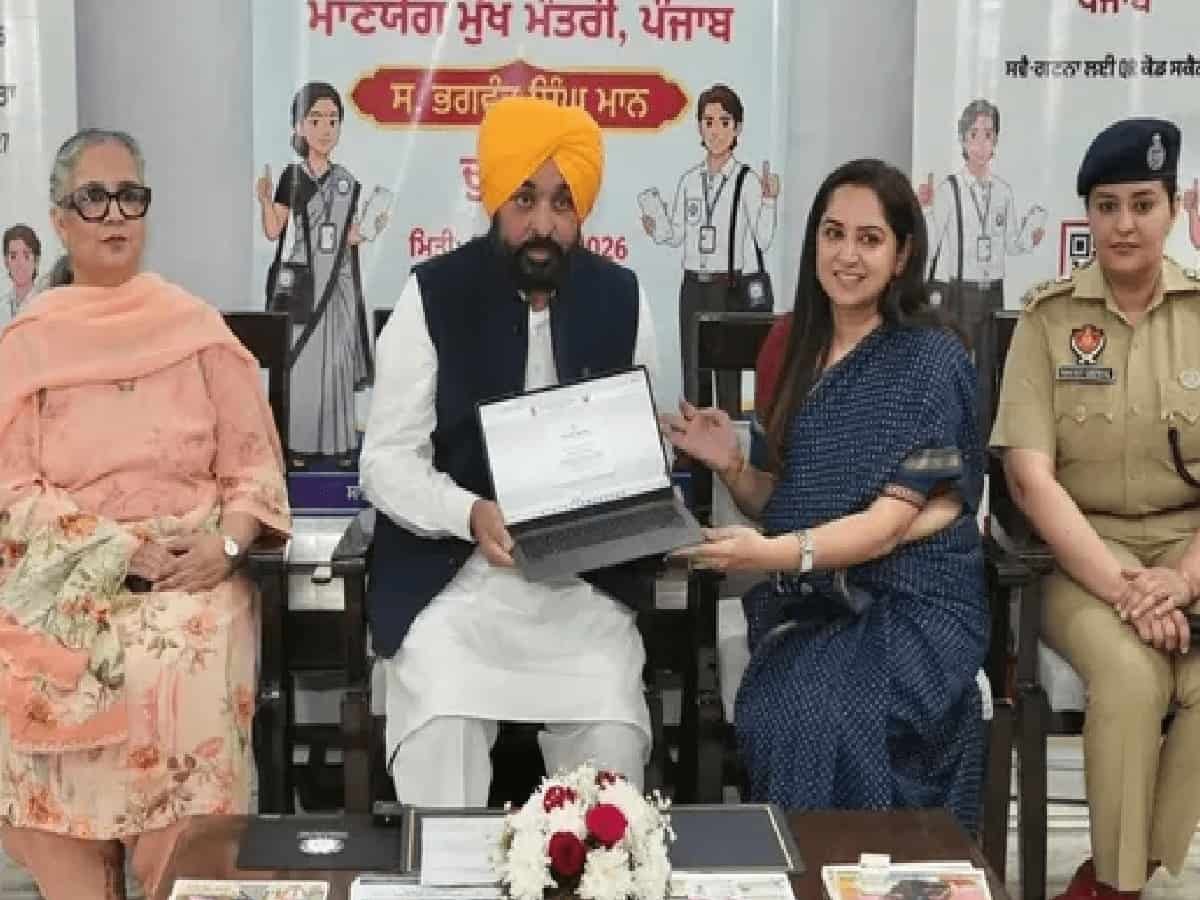
The much-anticipated nationwide decennial data collection exercise has taken a major technological leap forward in northern India. In Punjab, Chief Minister Bhagwant Mann officially launched the second phase of Census 2027 from his residence in Sangrur. Demonstrating the simplicity and efficiency of the new digital framework, the Chief Minister led by example, completing the online self-enumeration process alongside his family members to inaugurate the state-wide rollout.
With this high-profile launch, Punjab has positioned itself among the leading states in executing India's first fully digital census. The state government has issued a fervent appeal to all residents to actively participate in the national campaign, ensuring that accurate demographic and socio-economic data forms the robust foundation of future public welfare policies.
A Seamless Digital Process: How Self-Enumeration Works
The second phase of Census 2027 introduces an unprecedented level of citizen convenience through digital self-enumeration portals. According to the timelines announced by the administration, Punjab residents can complete their family declarations online from the comfort of their homes between November 16 and November 30, 2026.
For citizens who prefer traditional methods or require assistance, field operations will follow closely behind. Census workers and enumerators will conduct door-to-door verification and data collection drives starting from December 1, 2026, continuing through January 4, 2027.
Highlighting the user-friendly design of the digital portal, officials noted that completing the online self-enumeration takes approximately 25 to 30 minutes. Crucially, the digital process is streamlined to require no physical document uploads, making it entirely hassle-free for families across urban and rural districts alike.
Ensuring Absolute Confidentiality and Data Security
Addressing common public anxieties regarding data privacy, Chief Minister Bhagwant Mann firmly reassured citizens that all information provided during the census remains completely confidential. Under statutory data protection provisions governing the census, individual details are legally shielded and cannot be used for taxation, legal scrutiny, or administrative enforcement.
Instead, the aggregated data serves a singular, constructive purpose: empowering policymakers to formulate precise development plans, infrastructure projects, and targeted welfare schemes. "People should provide accurate information without hesitation so that the census data reflects the actual ground situation," Mann emphasized during his inaugural address, urging citizens to treat the exercise as a vital national duty.
Why Census 2027 Matters: Shaping Punjab’s Future
The launch of Census 2027 is a historic milestone, marking the resumption of the decennial headcount after a significant gap of 16 years. As India’s first digital census, the exercise utilizes advanced mobile applications and secure web portals to modernize data compilation, drastically reducing processing times compared to traditional paper-based formats.
The first phase of the census—focusing on house listing, housing conditions, infrastructure, and household assets—was successfully completed earlier. The current second phase delves deeper into vital demographic and socio-economic indicators, collecting comprehensive data on:
Age, gender, and family structures
Education levels and literacy milestones
Employment status and household income categories
Migration patterns and workforce mobility
Fertility rates and general population health indicators
Dr. Navjot Khosa, Director of Census Operations for Punjab, briefed the Chief Minister on the technical architecture of the portal, confirming that field machinery across all districts is fully prepared for the massive administrative undertaking.
A Call to Action for Every Punjabi Citizen
As the self-enumeration window remains open through the end of November, district administrations have ramped up public awareness campaigns across local media, digital platforms, and community centers.
Chief Minister Mann praised the tireless dedication of state administrative staff, master trainers, supervisors, and grassroots enumerators whose groundwork made the successful execution of the first phase possible. By taking a few minutes to complete the digital self-enumeration process online, residents of Punjab can actively contribute to building a prosperous, data-informed future for the state and the nation.