Trump Extends Jones Act Fuel & Fertilizer Exemptions
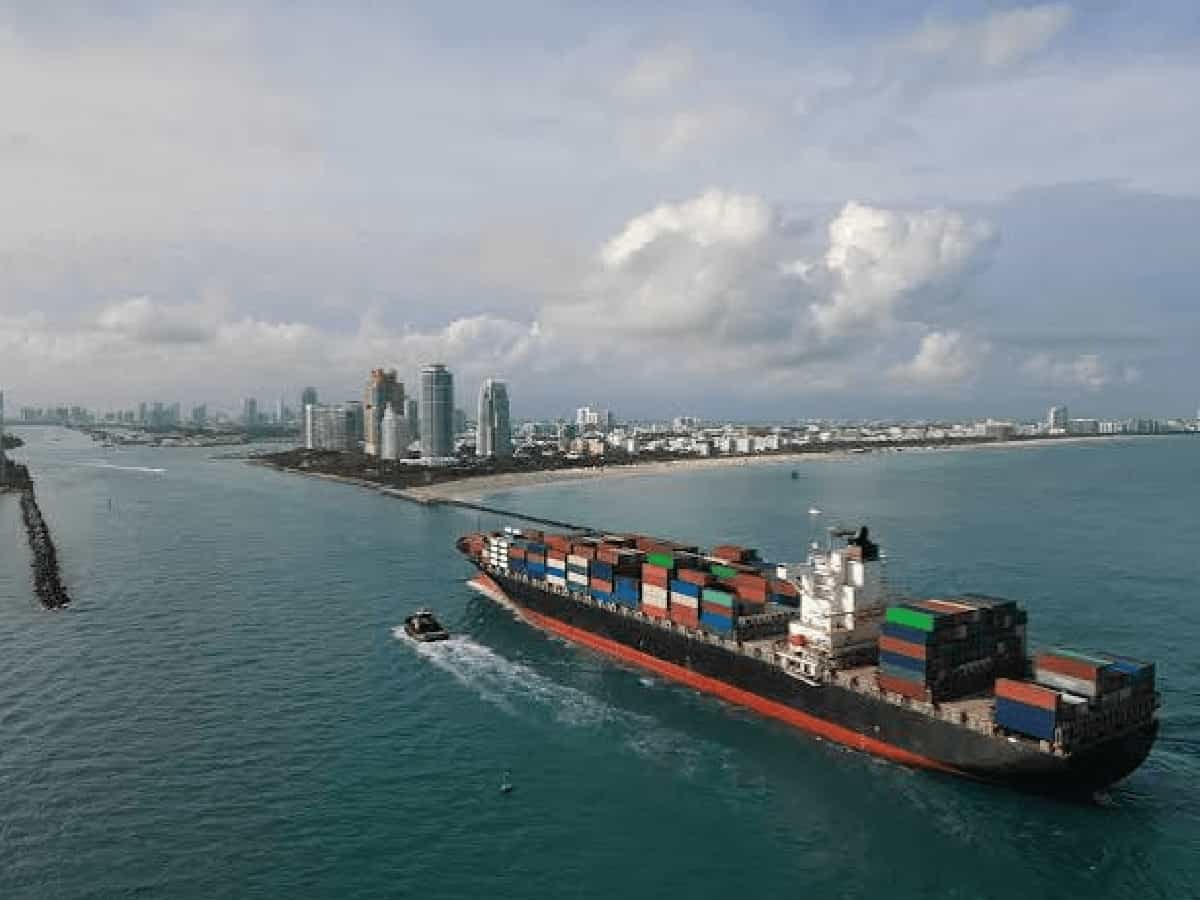
Amid persistent global energy pressures, ongoing geopolitical volatility, and domestic supply constraints, United States President Donald Trump has approved a critical 90-day extension of exemptions under the historic Jones Act. The decision allows foreign-flagged vessels to continue transporting essential commodities—including crude oil, refined petroleum products, and agricultural fertilizers—between domestic U.S. ports.
Designed to provide immediate relief to energy companies, logistics firms, and agricultural producers, the continuation of the waiver aims to prevent transportation bottlenecks, keep fuel prices under control, and ensure that critical consumer goods flow smoothly across national markets.
Understanding the Jones Act and the Significance of the Exemption
Enacted more than a century ago, the Jones Act (officially known as the Merchant Marine Act of 1920) is a cornerstone of American maritime law. The statute mandates that any goods shipped by water between two points in the United States must be transported on vessels that are:
Built in the United States
Owned by United States citizens or corporations
Registered under the U.S. flag
Manned almost entirely by American citizen crews
While the law was designed to protect the domestic shipbuilding industry and maintain a ready merchant marine for national security, its rigid requirements can create severe logistical challenges during national emergencies or supply crunches.
By granting temporary exemptions, the administration allows foreign-flagged ships to participate in domestic coastal shipping (cabotage), drastically expanding the pool of available vessels and helping to suppress surging freight rates. According to White House data, similar waivers implemented earlier have successfully facilitated the movement of approximately 90 million barrels of additional petroleum products since March, encompassing 27 million barrels of gasoline, 26 million barrels of crude oil, and 6 million barrels of renewable fuels.
Economic Pressures and Geopolitical Factors Driving the Extension
The decision to extend the waiver comes against the backdrop of heightened global market pressures. Ongoing conflicts and tensions involving Iran have exerted severe upward pressure on international energy supplies, directly impacting gasoline, diesel, and agricultural fertilizer costs within the United States.
Fertilizer availability and pricing are particularly critical for American farmers heading into upcoming planting seasons. By expanding shipping capacity and bypassing domestic fleet shortages, the administration hopes to insulate the agricultural and energy sectors from extreme price shocks. Under the revised regulatory framework set to take effect on November 16, each proposed foreign voyage will be individually vetted to ensure no suitable American-flagged vessels are readily available before a waiver is finalized.
Domestic Debate: Balancing Economic Relief With National Shipping Interests
As with previous iterations, President Trump’s decision has ignited intense debate across political and industrial lines.
The Defense From Industry: Major energy corporations, chemical manufacturers, and agricultural groups have strongly championed the extension. They argue that the waivers are an indispensable economic valve, easing cargo movement, reducing soaring freight costs, and protecting consumers from runaway inflation.
The Concerns of Domestic Shipbuilders: Conversely, domestic shipbuilders, maritime labor unions, and several lawmakers have voiced strong opposition. They contend that granting routine exemptions to foreign vessels undermines the domestic maritime industry, undercuts American seafaring jobs, and erodes the long-term intent of the Jones Act.