
RBI Cancels Licenses of 63 NBFCs and Finance Firms
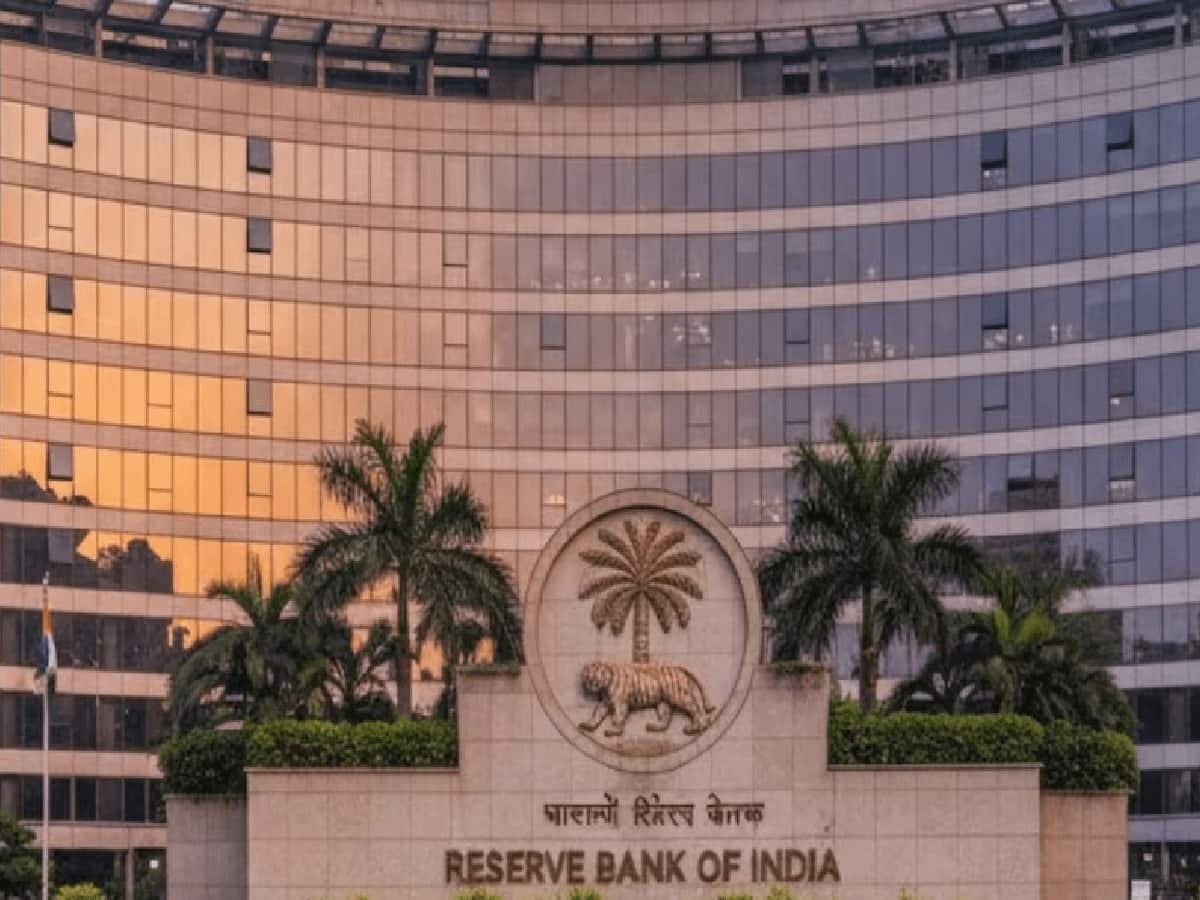
In a decisive regulatory sweep that underscores its stringent oversight of India's financial sector, the Reserve Bank of India (RBI) has taken strict action against 63 finance companies in a single stroke. According to a formal notification issued by the central bank, the licenses and certificates of registration of 49 non-banking financial companies (NBFCs) have been officially cancelled following orders passed between October 1 and October 29.
In addition to the compulsory cancellations, another 13 NBFCs and one housing finance company voluntarily surrendered their registrations, bringing the total tally of affected entities to 63. This sweeping action highlights the central bank’s ongoing commitment to weeding out non-compliant entities, maintaining systemic hygiene, and protecting retail borrowers from unregulated or financially unstable credit providers.
Why Did the RBI Revoke These Licenses?
The sweeping cancellation of licenses was executed under the statutory powers conferred upon the central bank by the Reserve Bank of India Act, 1934. Regulatory authorities routinely monitor the operational health, legal compliance, and governance standards of registered financial entities.
While some companies faced cancellation due to direct regulatory non-compliance, regulatory failures, or a failure to meet prescribed statutory net-owned-fund (NOF) requirements, others lost their legal standing for operational reasons. According to RBI disclosures, the entities that voluntarily surrendered their certificates of registration did so under distinct circumstances:
Cessation of Business: Six companies formally ceased their operations as non-banking financial entities.
Redundancy of Registration: Five companies underwent restructuring where holding an active NBFC registration was no longer required under prevailing business models.
Corporate Dissolution: Three companies were officially dissolved or wound up due to corporate restructuring, mergers, or insolvency proceedings.
Among the notable names affected by the cancellations due to loss of legal existence or regulatory revocation are Manibhavanam Home Finance India Private Limited, Sun Source Leafin Pvt Ltd, and Liynar Distributors Private Limited. Similarly, entities such as Amar Plaza & Holdings Private Limited, Viconic Vyapar Private Limited, CGR Mercantile Finance Pvt Ltd, Bravo Capital Services Private Limited, Manish Synthetics Private Limited, and Right Trajan Finance & Leasing (India) Private Limited were among those that returned their operational licenses.
What Does This Mean for the Affected Companies and Borrowers?
The immediate implication of the RBI’s order is absolute. Any company whose certificate of registration has been revoked can no longer conduct any business as a non-banking financial company. This means these entities are strictly prohibited from extending new loans, accepting public deposits, or engaging in any form of financial intermediation or lending services.
For ordinary consumers and retail borrowers, this regulatory action serves as a vital reminder of the risks associated with shadow banking and informal lending. Financial experts and consumer rights advocates strongly urge individuals to exercise extreme caution before entering into loan agreements or investment schemes with unfamiliar credit providers.
Essential Guidelines for Safe Borrowing
To protect personal finances from fraudulent or unauthorized lenders, borrowers should adhere to standard safety protocols:
Verify Registration Status: Before taking a loan or depositing funds with any NBFC or housing finance company, always verify its active registration status by visiting the official RBI website and checking the master list of authorized financial institutions.
Avoid Unverified Entities: Steer clear of unverified or aggressive digital lending apps and unknown financial agencies offering instant loans without transparent documentation.
Check Grievance Redressal Mechanisms: Legitimate financial institutions are mandated to display their RBI registration numbers, grievance officer contacts, and clear interest rate structures.
The RBI’s aggressive regulatory action reinforces the central bank's zero-tolerance policy toward compliance lapses, ensuring that only transparent, well-capitalized, and strictly regulated institutions operate within India's dynamic financial ecosystem.