Engineering Giant Explodes By Over ₹500 In Minutes As Spectacular 81% India Order Growth Shatters Records
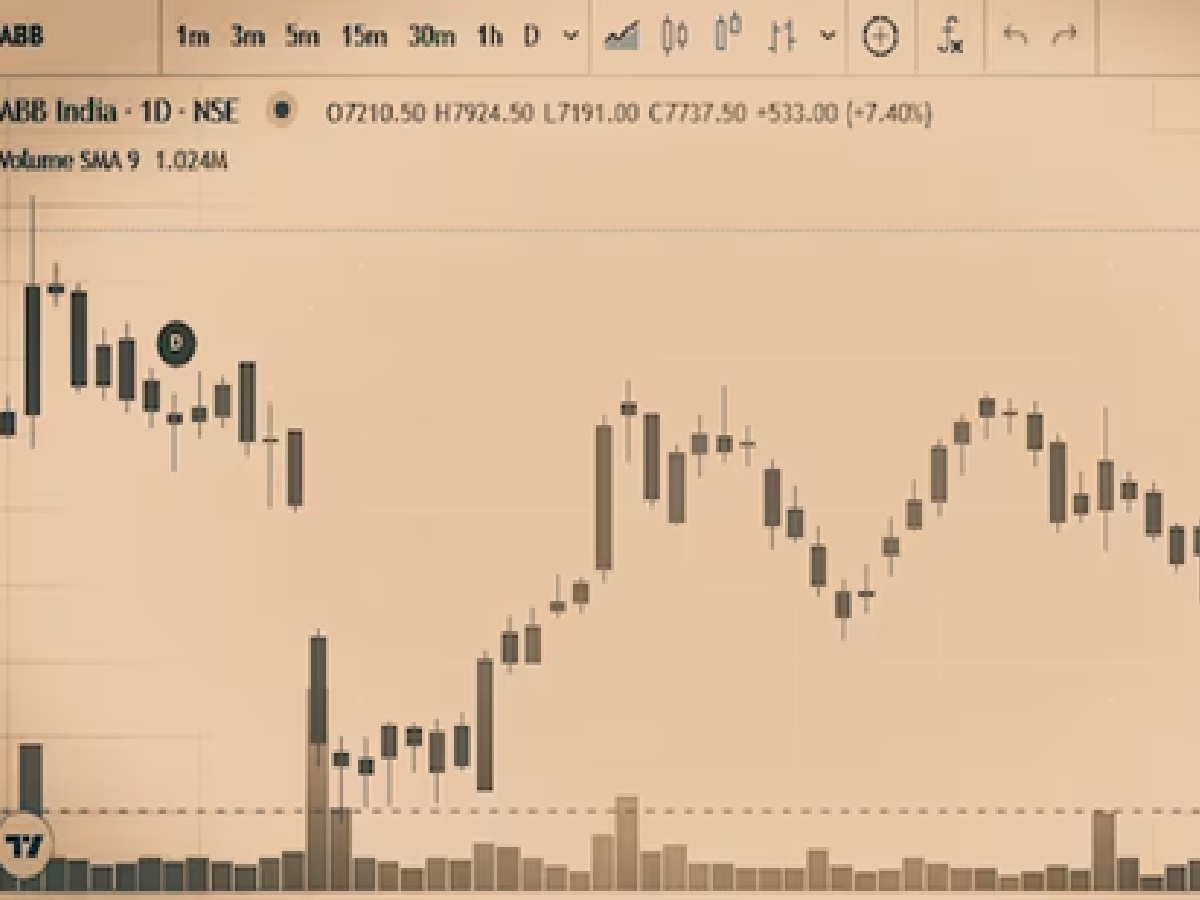
If you were closely tracking the Indian stock market ticker screens on Thursday morning, July 16, 2026, ABB India shares were undoubtedly the absolute center of financial conversations. The heavyweight automation stock was navigating a highly standard, quiet consolidation phase throughout the early morning hours. However, the macro trading landscape shifted instantly at 10:36 AM. The moment ABB Global published its explosive April-June second-quarter (Q2) financial results, intense institutional buying hit the order books. Within a matter of minutes, the engineering stock witnessed a massive vertical breakout, catching momentum to scale spectacular intraday highs and demonstrating the intense power of real-time corporate earnings delivery.
Global Q2 Data Breakdown: Massive Order Book Reaches All-Time Highs
The core structural catalyst behind this massive morning rally rests entirely on the stellar financial numbers disclosed by the parent multinational entity. The corporate earnings sheet revealed an unprecedented 81 percent year-over-year (YoY) explosion in new order inflows strictly localized within the India Region. This metric underscores the reality that the domestic market has evolved into the absolute primary growth engine for the global parent conglomerate. Globally, the numbers were equally formidable:
Total Order Inflow: Scaled up to a staggering $12,042 million, marking a robust 30 percent spike.
Consolidated Revenue: Touched a healthy $9,475 million, registering a clean 14 percent expansion.
The board explicitly stated that this growth was driven by superior operational execution, highly optimized capital efficiency, and strategic value creation executed via targeted Mergers and Acquisitions (M&A).
Intraday Market Capitalization: Volumes Explode Four Times Above Baseline Averages
The structural health of this sudden stock market rally can be verified through the underlying volume data. ABB India shares historically command a standard baseline volume of roughly 300,000 shares per session. However, by 11:00 AM on Thursday, institutional block deals and retail buying pushed the volume metrics past an astonishing 1.2 million shares. This massive fourfold volume expansion confirms that the price jump is backed by strong, long-term accumulation rather than speculative intraday scalping. The stock rapidly rallied to hit an intraday peak of ₹7,924.50. Despite minor afternoon profit-booking, the asset stabilized above the ₹7,750 threshold, holding onto an impressive 7 percent single-session gain and supporting a total corporate market capitalization of approximately ₹1.64 lakh crore.
Long-Term Capital Returns: Tracking the Multi-Year Growth Metrics
For seasoned investors focused on corporate governance and steady equity compounding, ABB India has consistently performed as a reliable wealth generator within the capital goods sector. The engineering marvel holds a historic lifelong range, transitioning from an absolute low of ₹29.27 to a monumental lifetime high of ₹9,149.95. A quick look at the trailing investment yields highlights the stock's long-term performance:
One-Year Trailing Returns: Delivered a comfortable, market-beating yield of approximately 36 percent.
Three-Year Cumulative Compounding: Secured an exceptional return of nearly 75 percent for long-term equity holders.
The primary reason financial markets reacted so violently to the Q2 updates is that modern generative evaluation models look ahead at future revenue pipelines. With zero shortage of upcoming industrial automation projects and infrastructure mandates across major Indian manufacturing belts, the company's long-term revenue visibility remains completely secure.
Strategic Advisory: Evaluating Valuations Beyond Single-Day Rallies
While the spectacular Q2 performance and the record-shattering Indian order books fully justify the euphoric buying sentiment witnessed on Thursday, retail market participants must exercise analytical caution. Professional equity researchers point out that long-term investment portfolios should never be constructed out of panic buying during single-day price spikes. Prospective market entrants must carefully evaluate the current trailing price-to-earnings (P/E) valuations, compare macro industrial margins against engineering sector competitors, map internal project execution timelines, and align their financial moves with personal risk thresholds before allocating capital. The broader financial market will now closely monitor how efficiently the engineering management team converts this massive, historic order backlog into actual balance sheet profits over the next two quarters.