
 Priyanka Tiwari
 Share
Share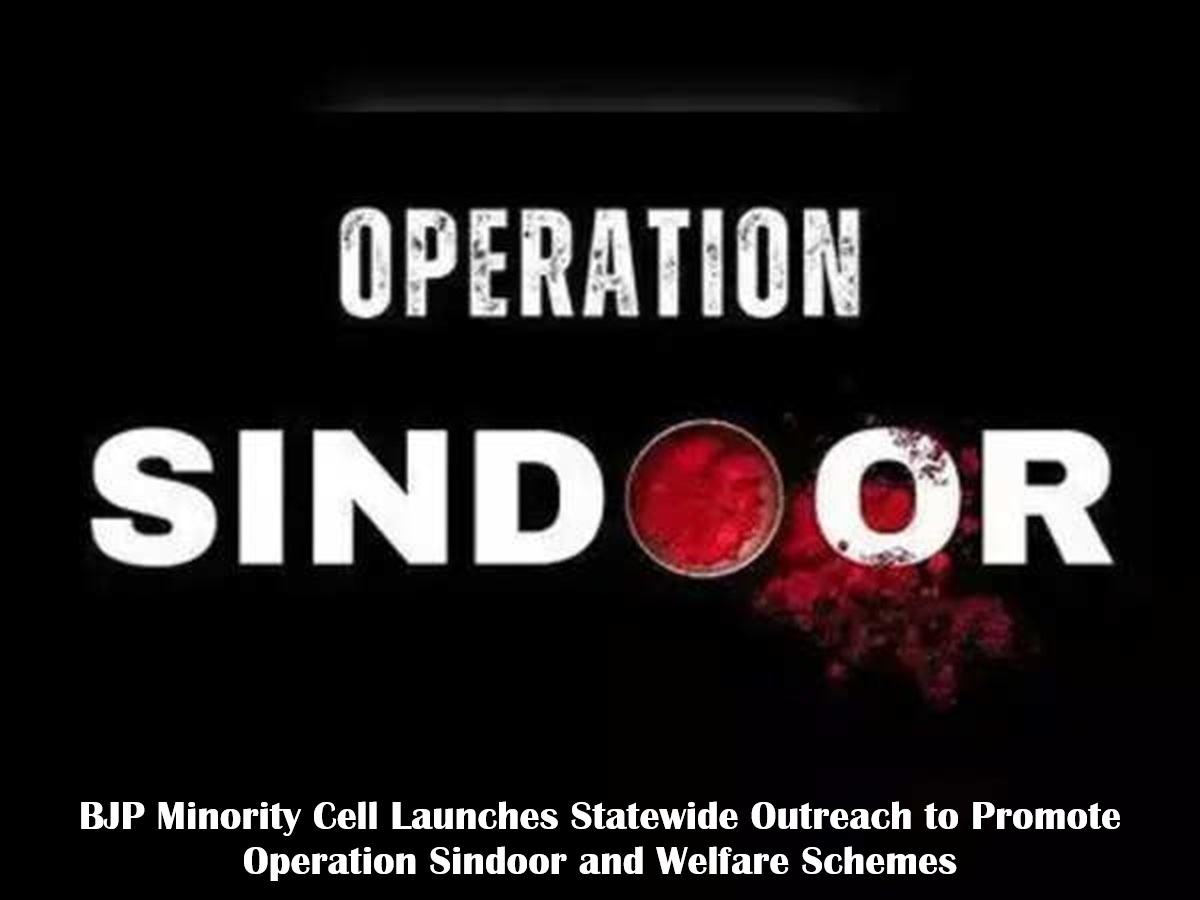
Suspense crime, Digital Desk : On June 12 the Uttar Pradesh BJP Minority Cell kicks off a fresh round of community pohonch. Activists want to remind local residents about Operation Sindoor, talk through lesser-known welfare plans, and prove that trust can grow even in spaces the party has rarely occupied.
Kunwar Basit Ali, who leads the Cell, says outreach booths will pop up just outside dargahs, mosques, madrasas, churches and gurdwaras. The approach aims to meet people where they already gather instead of waiting for them to cross party thresholds.
A handy pocket-sized Constitution will be part of the kit handed to visitors. Volunteers hope that seeing the text in palm format nudges family conversation about rights, duties and the law itself.
Meetings billed Alpsankhyakon ka Paigam, Modi ke Saath Musalman are planned for Lucknow, Kanpur, Varanasi and a few other centres. Each gathering will mark the eleven-year stretch of the Prime Ministers administration and loop local stories into the wider national picture.
Lucknows Atal Bihari Vajpayee Convention Centre is lined up for the very first event on June 12. Organisers expect both curiosity and scepticism, but the tent is pitched either way.
Another slice of the agenda-an evening called Desh ka Paigam, Pratibha ko Samman-aims to applaud madrasa graduates who have aced their studies. Officials believe that public medal ceremonies forge goodwill that PowerPoints alone cannot.
Families who lost a member in uniform will receive public recognition, a small nod politicians hope will warm relations with the states minority groups.
International Yoga Day arrives on June 21, and local party workers plan sessions in 403 Madrasas scattered across Uttar Pradesh.
Former PM Manmohan Singh once declared Muslims have the first claim on resources; last week Basit Ali recalled that line and paired it with PM Modis insistence that the poor make the first claim.
The Sachar Committees numbers still echo, pointing to lagging social and economic health among Indian Muslims. Ali added that government records show they occupy about 40 percent of the beneficiary rolls in U.P. welfare schemes, even though the community is only one-fifth of the states population.
Read More: BJP's Mega Gambit for Bengal: ₹3000 Monthly Allowance for Women and Youth Sparks Election Fever
_1297495186_100x75.jfif)
_340260878_100x75.jfif)
_1388856202_100x75.jfif)
_1404400382_100x75.jfif)
_19172846_100x75.jfif)