
 Priyanka Tiwari
 Share
Share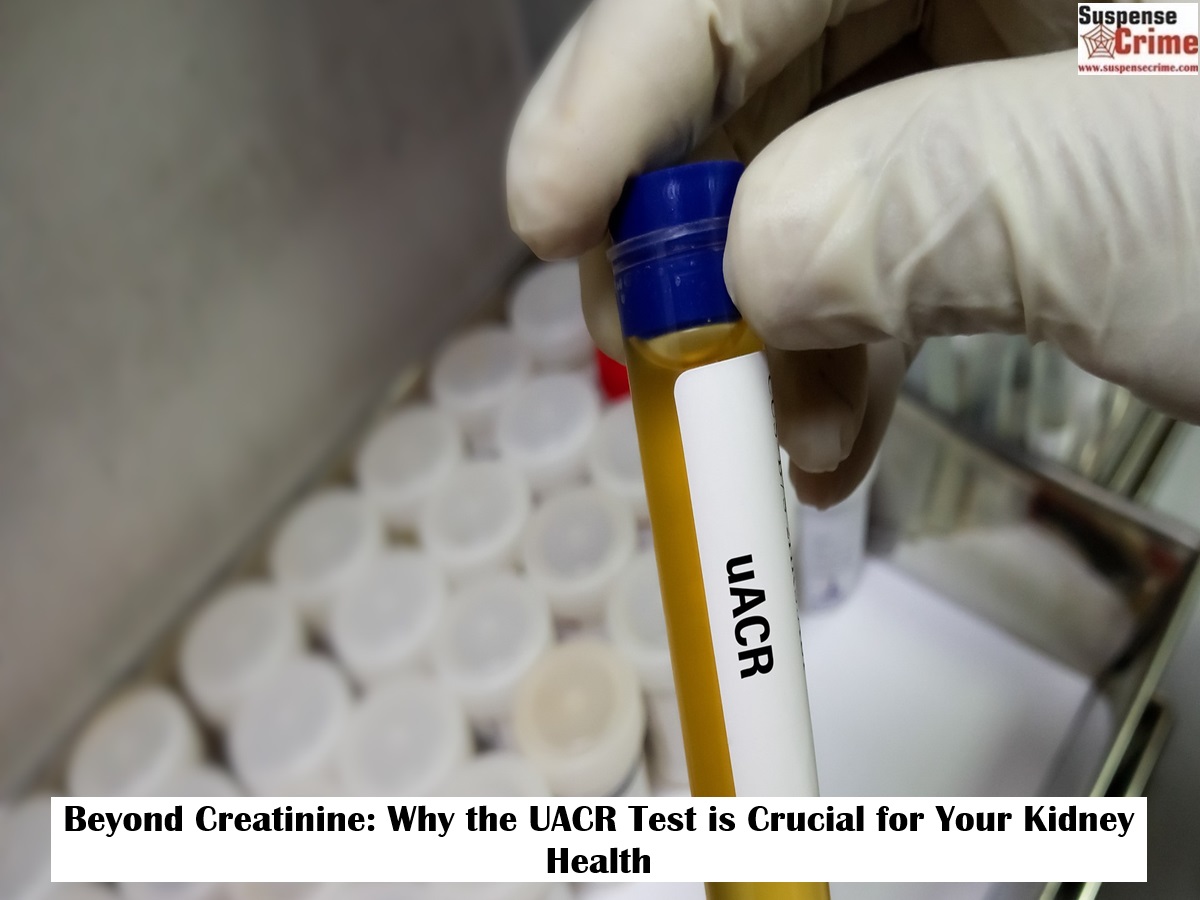
Suspense crime, Digital Desk : While many are familiar with the blood creatinine test as a marker for kidney health, there is a simpler, more sensitive test that can detect kidney damage much earlier, often before any symptoms appear. This vital screening is the Urine Albumin-to-Creatinine Ratio (UACR) test, and understanding it is key to protecting one of your body’s most essential organs.
Your kidneys work as sophisticated filters, cleaning waste products from your blood while keeping essential substances, like proteins, in your body. Two key substances involved in monitoring this process are creatinine and albumin.
- Creatinine: This is a waste product generated from normal muscle wear and tear. Healthy kidneys filter it out of the blood and into the urine to be expelled. High levels of creatinine in the blood suggest the kidneys are not filtering effectively.
- Albumin: This is a vital protein that should remain in your bloodstream. If your kidneys' filters are damaged, albumin can leak out of the blood and into the urine. The presence of albumin in urine is a primary warning sign of kidney disease.
The Power of the UACR Test
The UACR test is a simple urine test that measures the amounts of both albumin and creatinine in a single sample. By calculating the ratio between the two, doctors get a highly accurate picture of kidney function. This is considered a gold standard for early detection because the ratio accounts for variations in urine concentration, providing a more reliable result than just measuring albumin alone.
This test can identify a condition called microalbuminuria—the presence of small amounts of albumin in the urine—which is one of the earliest signs of kidney damage.
Understanding Your UACR Results
The results of a UACR test are typically measured in milligrams of albumin per gram of creatinine (mg/g):
- Normal: A ratio below 30 mg/g is considered normal and indicates healthy kidney function.
- Early Kidney Disease (Microalbuminuria): A ratio between 30 and 300 mg/g is an early warning sign that your kidneys are beginning to sustain damage.
- Advanced Kidney Disease (Macroalbuminuria): A ratio above 300 mg/g suggests more significant and advanced kidney damage.
Who Should Get Tested?
Early detection through the UACR test is especially critical for individuals in high-risk groups, as it allows for interventions that can slow or even halt the progression of kidney disease. You should speak to your doctor about getting a UACR test if you have:
- Diabetes (Type 1 or Type 2)
- High blood pressure (hypertension)
- A family history of kidney failure
- Heart disease
- Obesity
Don't wait for symptoms like swelling, fatigue, or changes in urination to appear, as these often only surface after significant damage has already occurred. A simple UACR test can provide the early warning you need to protect your long-term health.
Read More: Never Eat Bitter Cucumbers Again 5 Simple Kitchen Hacks to Remove Bitterness in Seconds